
2Sides
Play 2Sides
2Sides Screenshots








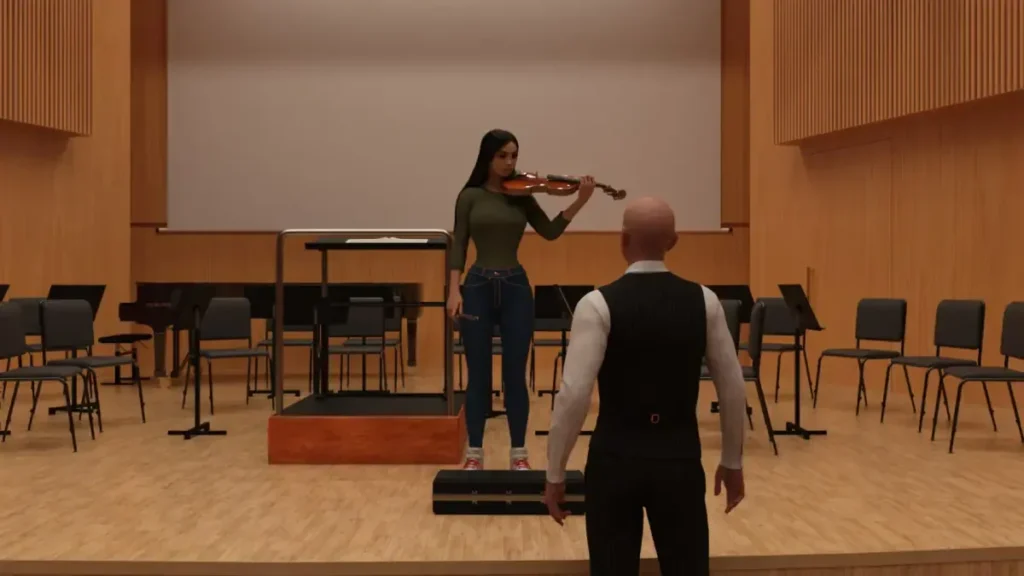
2Sides review
Everything you need to know about gameplay, progression, and player tips for 2Sides
2Sides is a narrative-driven interactive game that blends branching choices, character relationships, and visual storytelling. In this guide I explain what 2Sides offers, how its mechanics work, and share first-hand tips from play sessions to help you progress smoothly. Whether you want a quick overview or detailed strategies for key systems, this article covers the core features, customization options, and community aspects that shape the 2Sides experience.
Overview: What is 2Sides and how does it play?
So, you’ve heard the name 2Sides buzzing around and you’re curious. What is this game, really? Is it just another visual novel, or is there something more beneath the surface? 🤔 Let me pull back the curtain for you. At its heart, 2Sides is an interactive storytelling experience that places you directly in the driver’s seat of a gripping, branching narrative. Your choices aren’t just flavor text—they are the architects of the plot, shaping relationships, triggering events, and crafting an ending that is uniquely yours. This 2Sides game overview will break down everything from its compelling story to the minute details of how you play.
I remember booting it up for the first time, expecting a relaxed story. I was immediately presented with a seemingly innocuous choice: comfort a friend who was clearly lying or call them out on it. I chose comfort, thinking I was being kind. The game didn’t judge me, but hours later, that single decision had quietly eroded my character’s credibility with another, locking me out of a crucial alliance. That was my “aha!” moment—2Sides doesn’t just tell a story; it listens to yours.
Core concept and narrative structure
The core concept of 2Sides is elegantly summarized in its title: every situation, character, and moral dilemma is presented with, well, at least two sides. You play as a protagonist caught in a volatile, evolving world where factions clash and loyalties are tested. The genius of the 2Sides narrative isn’t in a single twist, but in its relentless commitment to consequence. This is a world painted in shades of gray, where there is rarely a universally “good” or “evil” path, only a series of complicated, impactful decisions.
The narrative structure is a masterclass in branching design. Think of it less like a “choose your own adventure” book with a few endings, and more like a sprawling tree with deep, interconnected roots. 🎋
* Key Decision Points: At pivotal moments, the game presents you with clear, often difficult choices. These aren’t always labeled as “Important Choice!”—sometimes they’re nestled in casual dialogue, making you pay close attention.
* The Butterfly Effect: A small, early choice can ripple outward, changing available dialogue, opening or closing entire story branches, and altering how characters perceive you chapters later. The game tracks everything in a hidden variable system.
* Multiple Endings & Routes: We’re not talking about just a “good” and “bad” ending. The interactive storytelling in 2Sides facilitates numerous unique endings based on your major alignment choices, key relationships, and even accumulated resources. Replayability is built into its DNA.
This approach means your first playthrough is authentically yours. You’ll miss content, make enemies, and forge bonds based on your personal instincts. The game actively encourages you to replay and see the “other side” of the story you just experienced, which dramatically changes your understanding of the events and characters.
Primary mechanics and progression
Now, let’s get into the nuts and bolts of how 2Sides plays. This is where the 2Sides mechanics transform the compelling narrative into an engaging, hands-on experience. You’re not just reading; you’re managing, influencing, and surviving.
The primary interface is deceptively simple. You’ll spend much of your time in dialogue sequences, but this is where the game shines:
* Dialogue Choices: Timed and untimed responses push you to think on your feet or deliberate carefully. Some choices increase “pressure,” affecting the scene’s tone.
* Relationship Meters: This is the core social system. Key characters have independent relationship scores that change based on your actions and words. These scores are rarely shown as simple numbers, but reflected through their dialogue and willingness to help you.
* Resource & Currency System: To navigate the game’s challenges, you manage a few key resources. “Influence” might be used to persuade factions, while “Intel” could unlock hidden conversation options or story paths. Managing these adds a strategic layer to the 2Sides experience.
Progression is seamless and designed to keep you immersed. The game uses an auto-save system at key junctures, but also allows you to keep multiple manual saves—a blessing for those who love to experiment. 🔄 Unlocking scenes or routes isn’t about grinding; it’s about making different choices. The game features a comprehensive “Story Timeline” in the menu, which fills in as you play, visually showing you the branches you’ve unlocked and hinting at the paths you’ve yet to explore.
Pro Tip: Don’t be afraid to save before a big decision and play out both options! Seeing the immediate consequence is the best way to learn the game’s cause-and-effect language.
To clarify how these systems work together, here’s a breakdown:
| Mechanic | Primary Function | Impact on Gameplay |
|---|---|---|
| Dialogue Choices | Direct story branching & character perception | Determines immediate scene outcomes and long-term relationship shifts. |
| Relationship Meters | Tracks affinity with major characters | Unlocks unique scenes, dialogue options, and determines which allies stand with you in the finale. |
| Influence Resource | Social/Political currency | Used to sway group opinions, call in favors, or access restricted information. |
| Story Timeline | Visual progression tracker | Shows your unique path through the narrative and highlights missed branches for future playthroughs. |
Visual style, audio, and presentation
The 2Sides visual style is a huge part of its immersive pull. This isn’t a game with hyper-realistic 3D models; instead, it employs a beautifully hand-painted 2D art style that feels like a living graphic novel. 🎨 Character designs are distinct and full of personality, with subtle animations—a shifting glance, a nervous hand gesture—that add incredible depth to conversations. The environments are lush and detailed, often changing slightly to reflect the narrative’s tone (e.g., a sunny street now viewed through a rain-streaked window after a bad decision).
The user interface is clean and minimalist, ensuring nothing pulls you out of the story. Dialogue boxes are transparent, and character portraits appear with emotional variants that react to your words. It’s a UI that understands its role is to serve the narrative, not distract from it.
Now, let’s talk sound. The audio presentation in 2Sides is nothing short of phenomenal. The soundtrack is a dynamic character in itself. It’s not just background music; it’s an emotional guide.
* Adaptive Music: The score subtly shifts based on your choices. A tense conversation might be underscored by a low, pulsing synth, which then melts into a gentle piano melody if you successfully defuse the situation.
* Voice Acting: While not every line is voiced, key moments and characters feature stellar voice work that adds a powerful layer of authenticity. The performances capture the nuance and conflict central to the game’s themes.
* Sound Design: From the ambient noise of a crowded market to the stark silence of a lonely apartment, the soundscape meticulously builds the world and heightens every emotional beat.
Compared to more conventional interactive stories, 2Sides stands out by fully committing to the weight of every choice. Many games offer the illusion of consequence; 2Sides delivers the real, often unforgiving, thing. Its fusion of strategic resource management with deep social simulation, all wrapped in a stunning audiovisual package, creates a uniquely personal and replayable experience. It’s less about “winning” and more about understanding the cost of your decisions and living with the results—a truly compelling take on modern interactive storytelling.
2Sides offers a layered interactive experience with branching narratives, progression systems, and customization that reward exploration and thoughtful choices. This guide summarized how the game plays, how to unlock routes, which settings improve comfort, where players find community support, and practical tips to avoid common pitfalls. Try the recommended play plan, adjust settings to your preferences, and engage respectfully with other players to get the most from 2Sides. If you found these insights useful, try one of the suggested strategies in your next session and share your experience with the community.