
A Summer’s End – Hong Kong, 1986
Play A Summer’s End – Hong Kong, 1986
A Summer’s End – Hong Kong, 1986 Screenshots







A Summer’s End – Hong Kong, 1986 review
Explore the acclaimed romantic visual novel set in 1980s Hong Kong with authentic settings and compelling storytelling
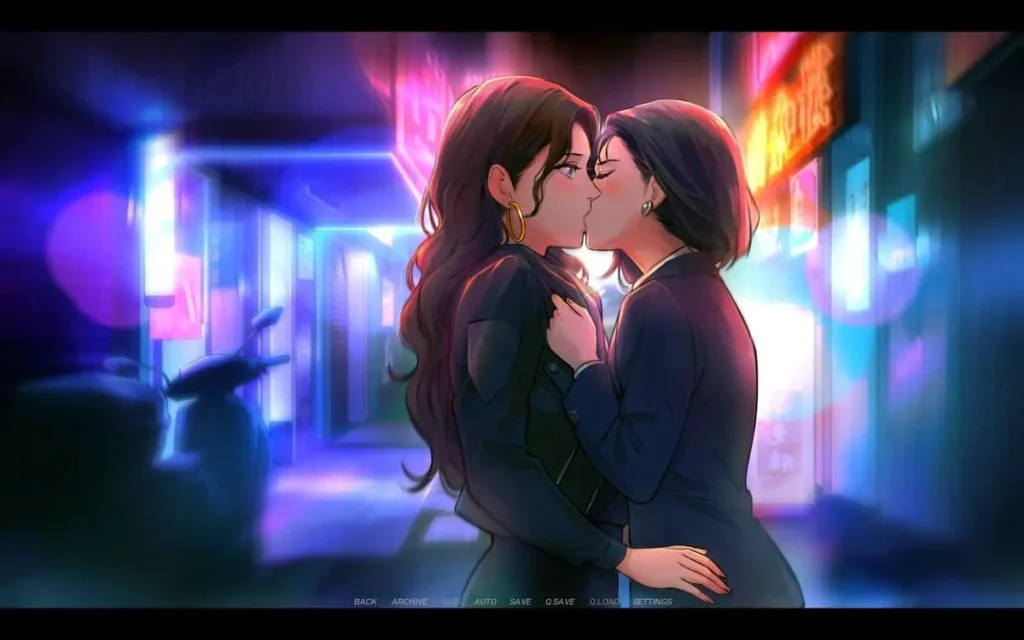
A Summer’s End – Hong Kong, 1986 stands out as a beautifully crafted visual novel that captures the essence of 1980s Hong Kong through its vibrant aesthetics and intimate storytelling. Developed by Oracle and Bone, this narrative-driven game follows Michelle and Sam as their chance meeting blossoms into something deeper, exploring themes of identity, family, and love in a rapidly changing world. With over 400 hand-drawn art assets inspired by 1980s anime and media, authentic Hong Kong locations, and an original vaporwave soundtrack, the game offers players a unique blend of retro charm and contemporary emotional depth. Whether you’re a visual novel enthusiast or someone interested in LGBTQ+ narratives set in Asian contexts, this guide explores what makes A Summer’s End a memorable gaming experience.
Story, Characters, and Setting in A Summer’s End – Hong Kong, 1986
Let’s be honest—we’ve all played stories where the setting feels like a generic backdrop. 🏙️ Not here. The A Summer’s End Hong Kong 1986 story is inseparable from its time and place; the humid air, the buzzing neon, and the palpable sense of a city on the brink of change are characters in themselves. This isn’t just a romance; it’s a journey into a specific moment, using a chance encounter to explore profound questions of identity. If you’re looking for a visual novel romance Michelle Sam style that feels both intimate and expansive, you’ve found it. This chapter dives into the heart of it all: the fragile, beautiful connection between two women, the people around them, and the vibrant Hong Kong 1986 visual novel setting that holds their story.
The Romance Between Michelle and Sam
The core of this experience is the delicate, quick-burn visual novel romance Michelle Sam crafts with such care. You step into the sensible shoes of Michelle, a young office worker adrift in her own life. Her days are a cycle of monotonous work and familial duty, a reality that will feel achingly familiar to many. She isn’t looking for a grand adventure, let alone love. Then, by pure chance during a rainstorm, she meets Sam. 💖
Sam is everything Michelle isn’t—or perhaps, everything Michelle has buried deep inside. Confident, artistic, and openly queer, Sam moves through the world with a self-assuredness that both intimidates and fascinates Michelle. Their initial meetings crackle with an undeniable chemistry, a mix of awkwardness and deep curiosity. This isn’t a slow-burn romance; it’s a spark that catches fire rapidly, forcing Michelle to confront feelings she’s spent a lifetime compartmentalizing.
What makes their relationship so compelling is how it serves as the vehicle for Michelle’s journey of self-discovery. Each interaction with Sam isn’t just a romantic step; it’s a question posed to Michelle’s entire worldview. Through Sam, Michelle begins to question the life path laid out for her—the expected career, the traditional marriage, the silent compliance. Their romance is the catalyst that pushes her to ask, “What do I want?” This personal struggle is beautifully mirrored by the larger societal context of 1986 Hong Kong, a place itself caught between tradition and an uncertain future. The A Summer’s End Hong Kong 1986 story masterfully uses this personal LGBTQ visual novel Asian culture narrative to explore universal themes of authenticity and courage.
The game excels in portraying the indirect communication and unspoken tensions common in many East Asian cultures. A meaningful glance across a restaurant table, a hesitant touch, a conversation that speaks volumes about what is not being said—this is the language of their love story. 🫣 It feels authentic and nuanced, making every breakthrough moment feel earned and incredibly powerful.
Supporting Characters and Relationship Dynamics
While Michelle and Sam’s relationship is the sun at the center of this solar system, the A Summer’s End characters in their orbit are crucial to understanding the gravity of their situation. They represent the societal and familial pressures that shape, and sometimes constrain, the choices we make.
The most prominent of these is Joey, Michelle’s well-meaning but hopelessly oblivious coworker who harbors a crush on her. On the surface, he could be a simple obstacle or a joke. But the writing gives him depth and heart. Joey represents the “expected” path—the nice, suitable man from a good family. His presence isn’t played for cheap villainy; instead, he highlights the pressure of conventional expectations. His ultimate role in the narrative is surprisingly graceful, offering a poignant look at friendship and unrequited feelings that avoids melodrama.
Then there are the families. Both Michelle and Sam navigate complex relationships with their relatives, which form a significant part of the game’s emotional weight. The specter of disappointment, the weight of parental sacrifice, and the fear of bringing shame are ever-present. The game tackles homophobia and family conflict with a remarkable lack of sensationalism.
“The game’s great strength is portraying familial tension and societal homophobia with honesty but without exploitation. It’s about the quiet dread of a conversation not yet had, not about graphic tragedy.”
This approach makes the conflict feel painfully real. The tension isn’t in loud arguments (at least, not always), but in the heavy silences at the dinner table, the carefully worded questions from a mother, and the internalized fear both women carry. It’s a respectful and authentic portrayal that anyone who has struggled with coming out within a conservative family will recognize.
To help keep track of the key players and their roles in this intricate dance, here’s a breakdown of the central trio:
| Character | Role & Background | Relationship to the Main Narrative |
|---|---|---|
| Michelle | The protagonist; a young office worker feeling trapped by societal and familial expectations. Practical but yearning for something more. | Our viewpoint character. Her journey of self-discovery and acceptance is the core of the story. Her choices directly drive the plot toward its different conclusions. |
| Sam | A confident, independent artist and photographer who is openly gay. Serves as Michelle’s romantic interest and catalyst for change. | Represents the life of authenticity Michelle secretly desires. Her presence challenges Michelle’s worldview and forces her to confront her true identity and desires. |
| Joey | Michelle’s coworker and hopeless suitor. A kind but traditional man who represents the “safe” and expected path for Michelle’s future. | Embodies the societal pressure to conform. His subplot highlights themes of unrequited love and the complexity of choosing personal truth over comfortable expectation. |
These dynamics—romantic, familial, and social—create the rich soil from which the A Summer’s End endings gameplay grows. Your choices in how Michelle interacts with everyone, not just Sam, have weight. Will she be honest with Joey? How will she navigate a tense family dinner? These decisions accumulate, leading to one of the game’s two powerful conclusions.
Authentic Hong Kong Locations and Atmosphere
You can’t separate the emotions of the A Summer’s End Hong Kong 1986 story from where it takes place. The developers didn’t just set a story in Hong Kong; they poured a palpable love for the city’s specific essence into every pixel. The Hong Kong 1986 visual novel setting is a masterclass in environmental storytelling, making you feel the humidity, hear the traffic, and sense the heartbeat of a metropolis steeped in history. 🌆
The game beautifully contrasts two major areas, creating a powerful symbolic geography for Michelle’s inner conflict. On one hand, you have the chaotic, neon-lit streets of Mong Kok. This is Michelle’s everyday world—a bustling, crowded district of narrow alleys, glowing signs, and crowded eateries. It’s alive, overwhelming, and represents the pressurized flow of conventional city life she’s stuck in. A particularly memorable and ambiguous sequence here involves a mysterious old woman who offers Michelle a fateful reading. This encounter, steeped in local superstition, hangs over the narrative, forcing both Michelle and the player to wonder about destiny versus choice.
On the other hand, you have the breathtaking seascapes of Sai Kung. 🏞️ This is Sam’s world, and by extension, it becomes a sanctuary for Michelle. The visuals here open up—wide shots of piers, peaceful boats on the water, lush green islands in the distance. The pace slows. Sai Kung symbolizes freedom, space to breathe, and the possibility of a different, more authentic life. The stark visual and atmospheric difference between Mong Kok’s claustrophobic energy and Sai Kung’s expansive serenity perfectly mirrors Michelle’s dilemma between her constrained present and a potential, freer future.
This attention to A Summer’s End Mong Kok Sai Kung locations does more than provide pretty backgrounds. It grounds the LGBTQ visual novel Asian culture narrative in a very real place. You see the laundry hanging from apartment windows, the specific brands in the convenience stores, the style of the taxis. This authenticity builds an immersive cage of reality that makes Michelle’s desire to break free even more impactful. The city is in transition—1986 is just over a decade before the Handover—and that underlying historical uncertainty echoes the personal uncertainty of the characters.
This all culminates in the A Summer’s End endings gameplay. Your journey through these locations and relationships leads to a final, crucial choice. Without spoiling, the game offers two primary endings. There’s a fulfilling, hopeful conclusion that feels like a hard-won reward for courage and honesty. And there is a ‘Bad End,’ a poignant and realistic outcome where Michelle, overwhelmed by fear and pressure, chooses not to pursue her truth. This ending isn’t about punishment; it’s a heartbreaking reflection of how often people choose the safer, lonelier path. It’s this nuanced, choice-driven conclusion that makes playing through the A Summer’s End Hong Kong 1986 story feel so personally significant.
In the end, the genius of A Summer’s End is how it weaves its romance, its deep character studies, and its authentic setting into a single, unforgettable tapestry. 🎨 The visual novel romance Michelle Sam offers is a gateway into a much larger conversation about self, society, and the courage it takes to be honest in a world full of expectations. It’s a love letter to 1980s Hong Kong, a thoughtful exploration of Asian culture, and a profoundly moving personal story all at once. By the time you reach either ending, you haven’t just watched a story unfold—you’ve felt the weight of Michelle’s decisions, breathed the air of her world, and, hopefully, been inspired by her journey toward authenticity.
A Summer’s End – Hong Kong, 1986 represents a thoughtfully crafted visual novel that transcends typical genre conventions through its commitment to authentic storytelling and artistic excellence. The game’s success lies in its ability to weave together a compelling romance between Michelle and Sam with deeper explorations of identity, family dynamics, and cultural belonging in 1980s Hong Kong. From its meticulously researched settings and vibrant hand-drawn aesthetics to its carefully curated soundtrack and meaningful narrative choices, every element serves the emotional core of the story. Whether you’re drawn to the game for its visual novel gameplay, its representation of LGBTQ+ characters in an Asian context, or its celebration of retro design aesthetics, A Summer’s End offers a rich and engaging experience. The optional adult content patch demonstrates the developers’ respect for player agency, allowing each person to customize their experience while maintaining the narrative’s emotional integrity. For anyone seeking a visual novel that balances entertainment with genuine emotional depth, A Summer’s End – Hong Kong, 1986 stands as a testament to what independent game development can achieve when passion, artistry, and authentic storytelling converge.