Play After the Inferno
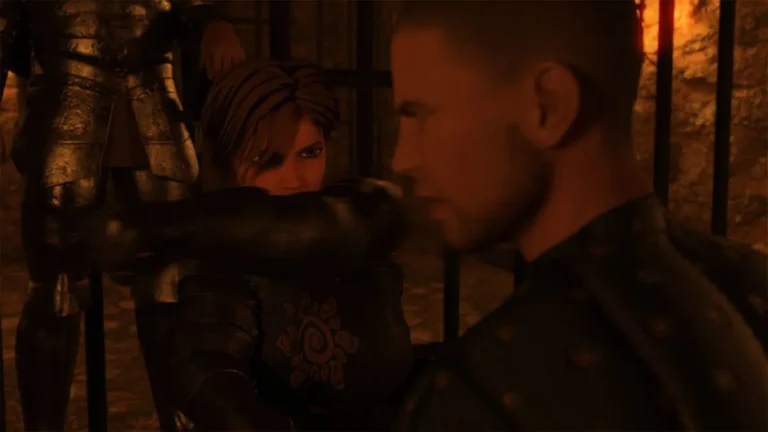
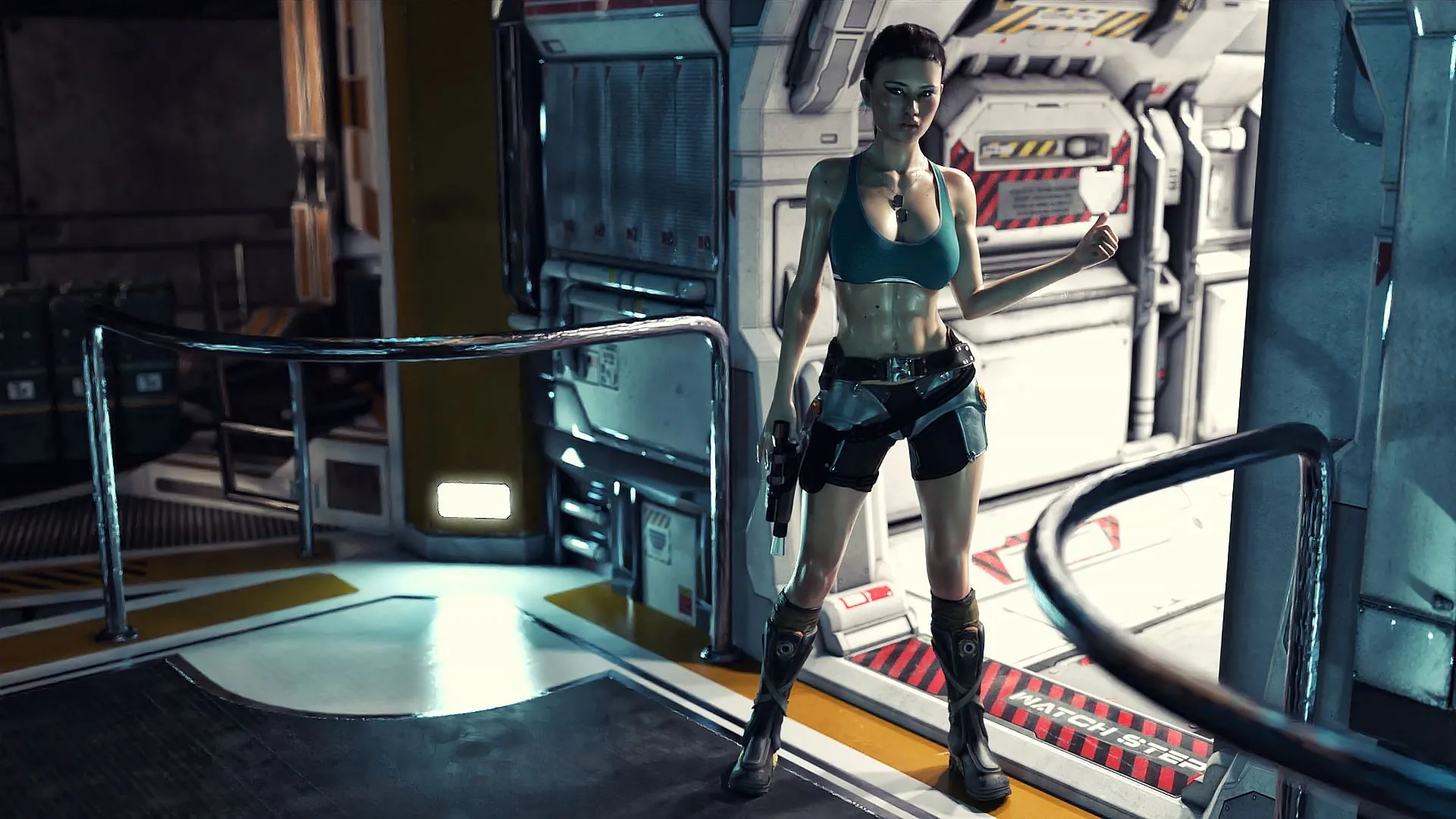
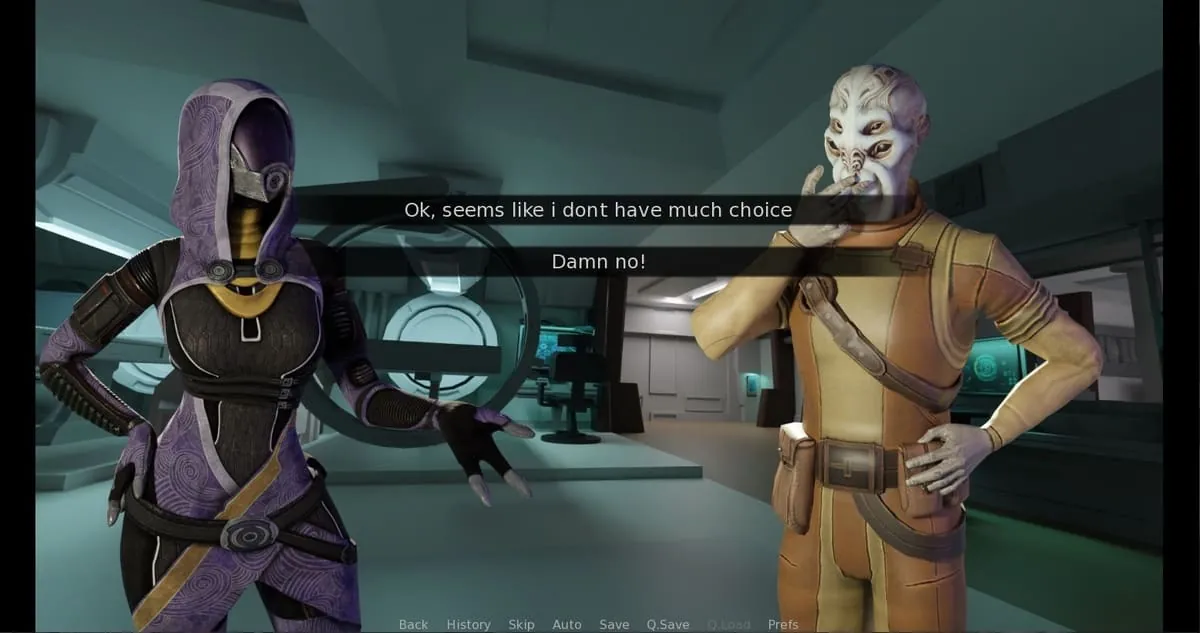
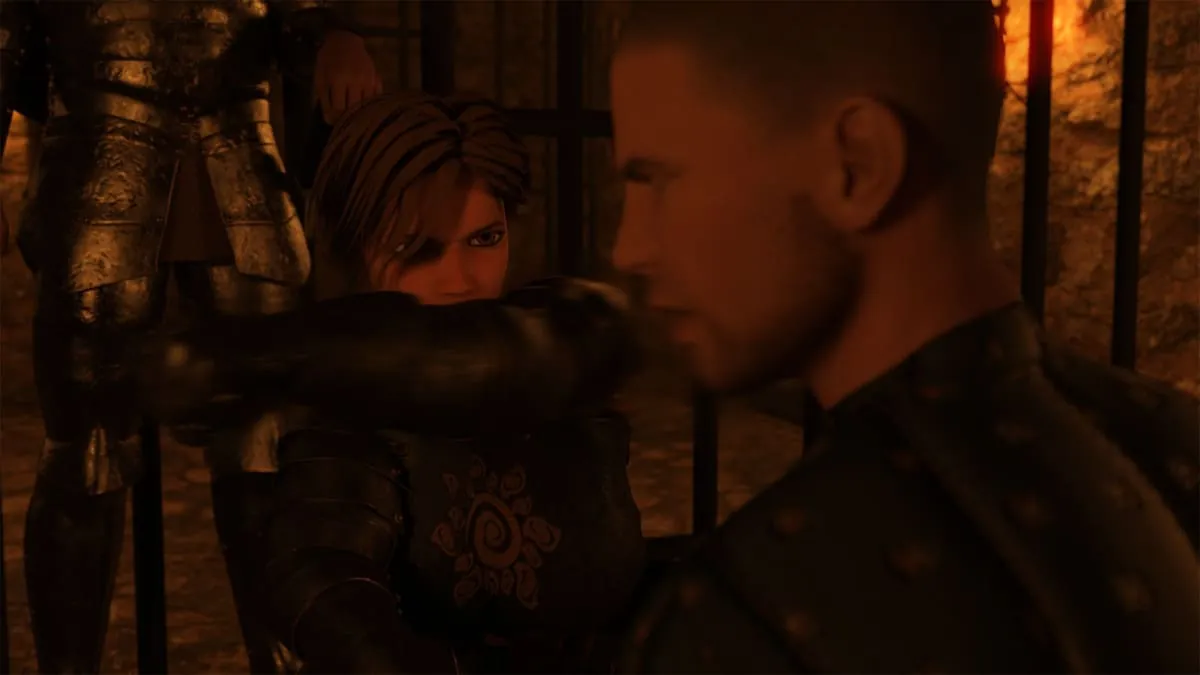
After the Inferno Screenshots
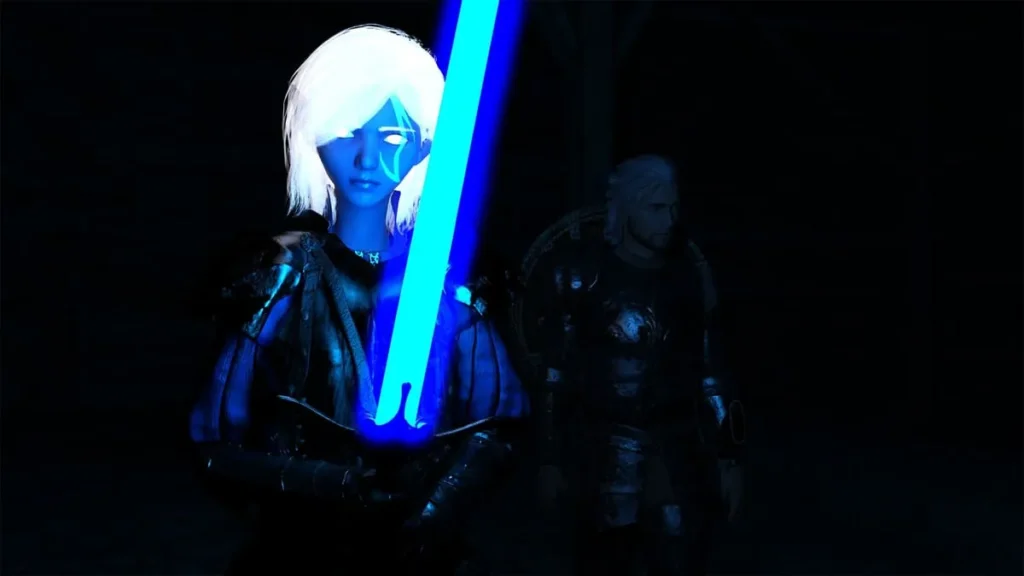
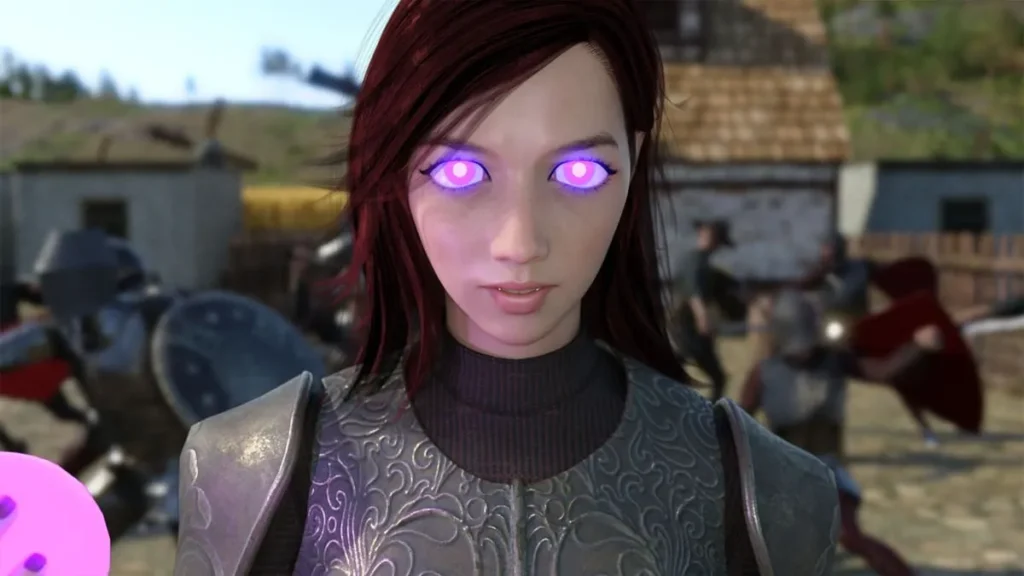
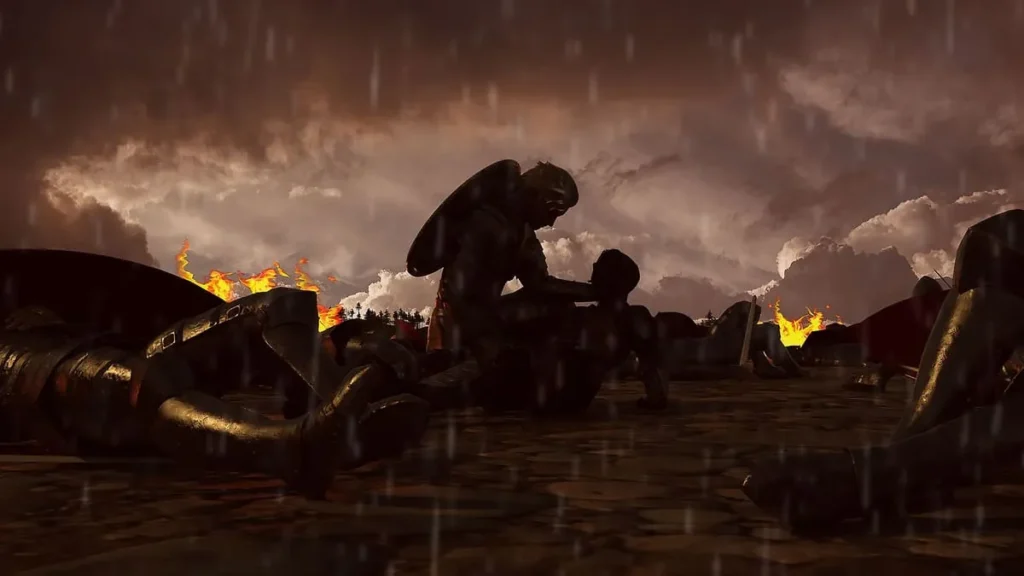

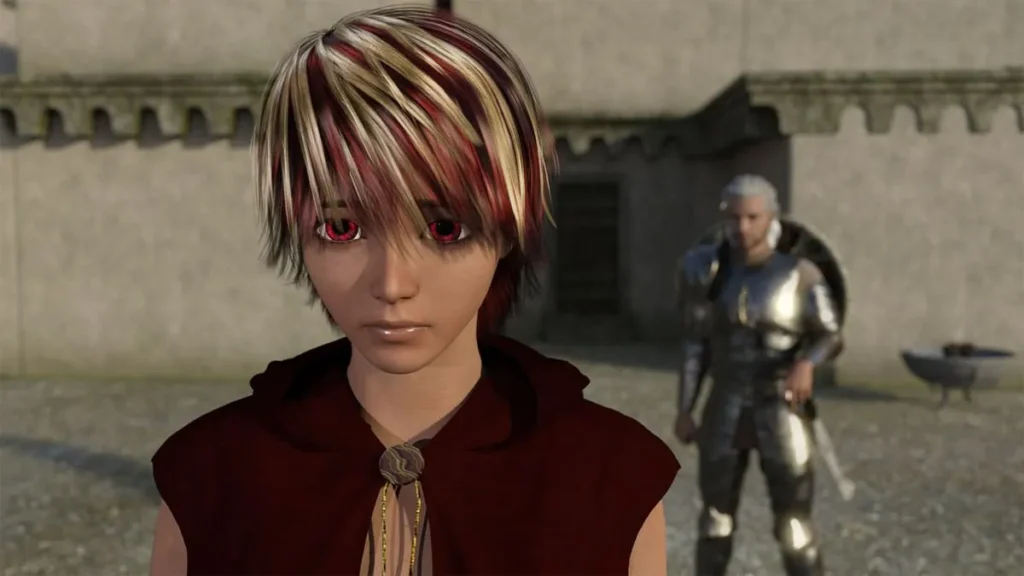
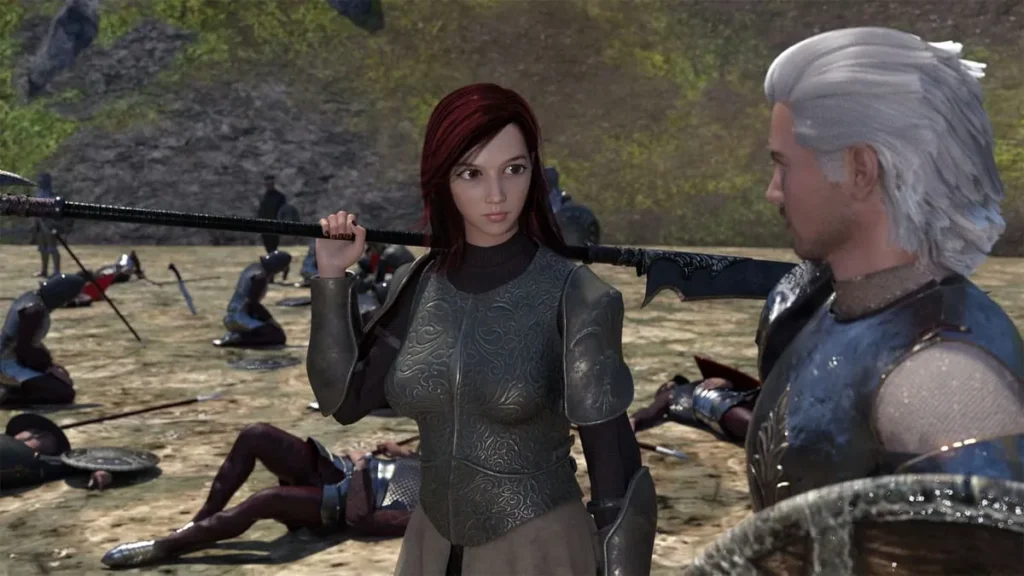
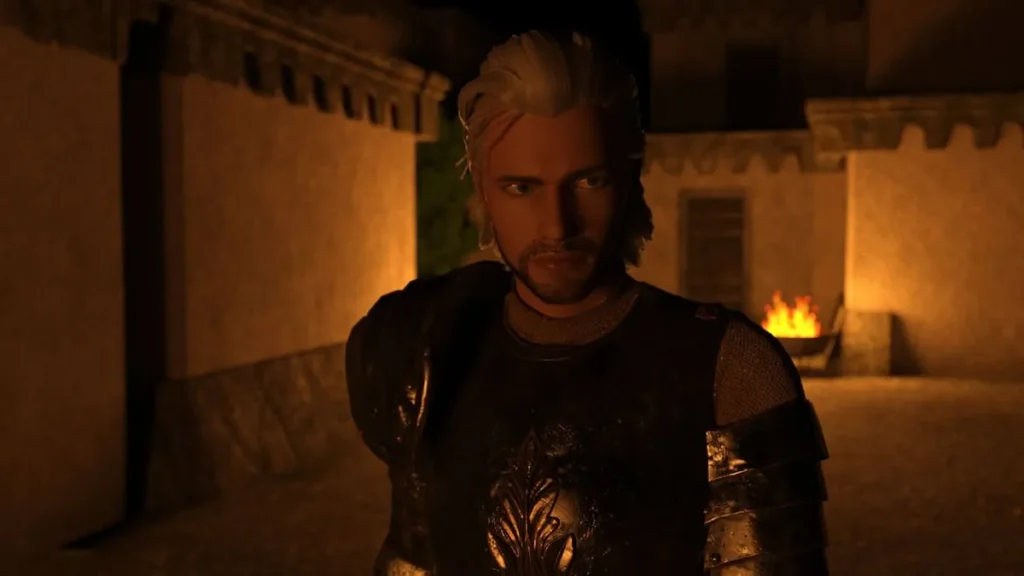
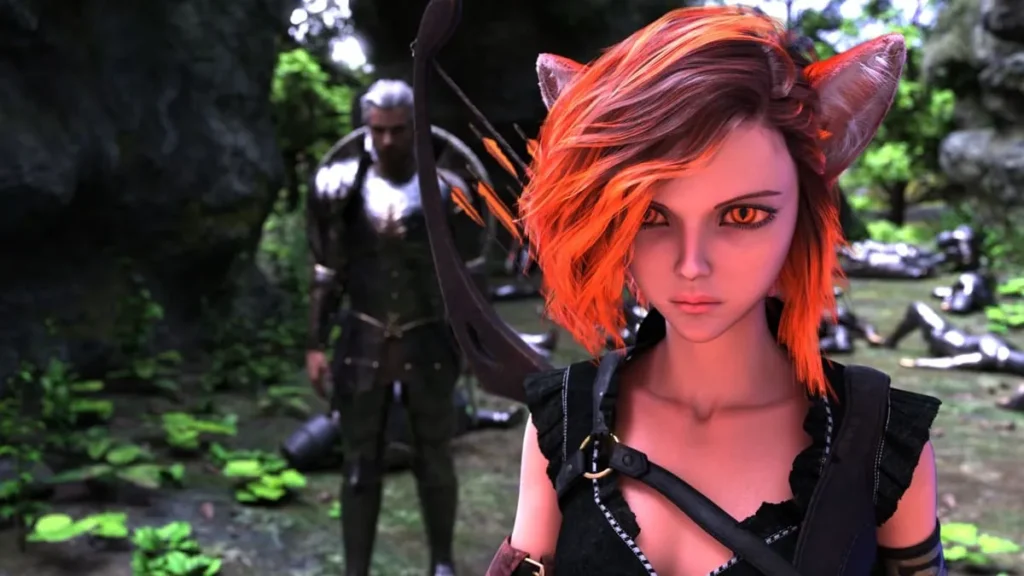
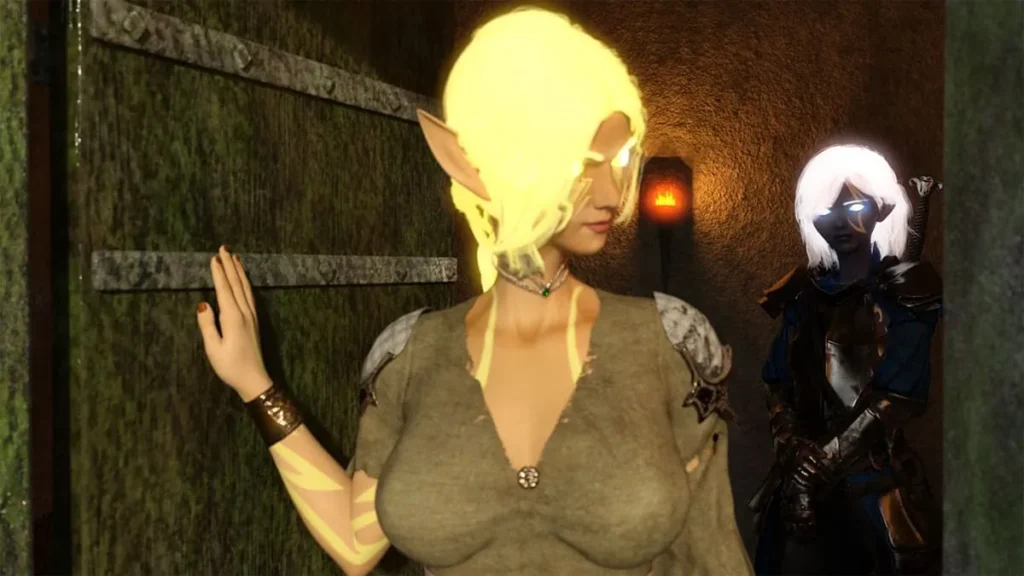
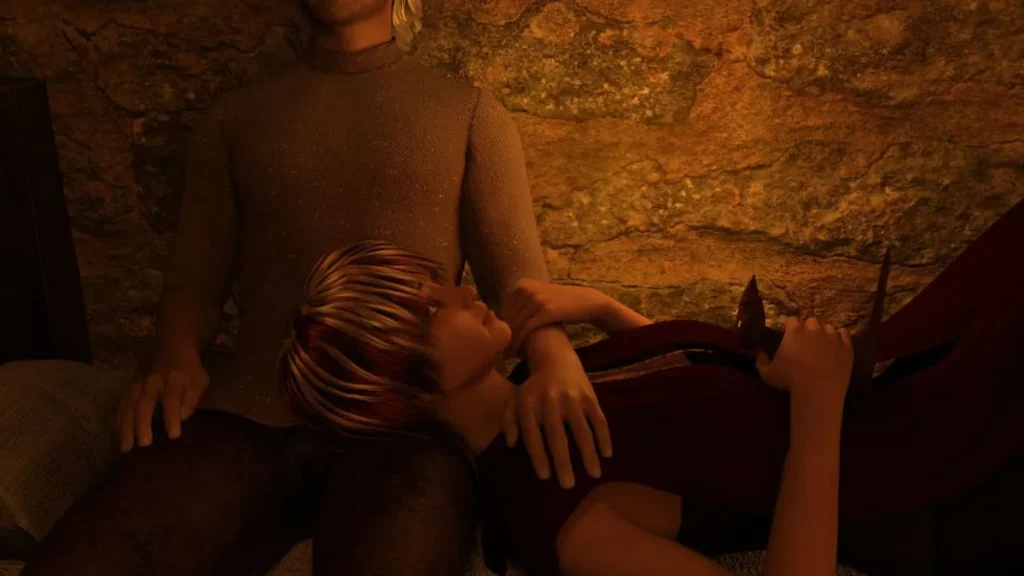
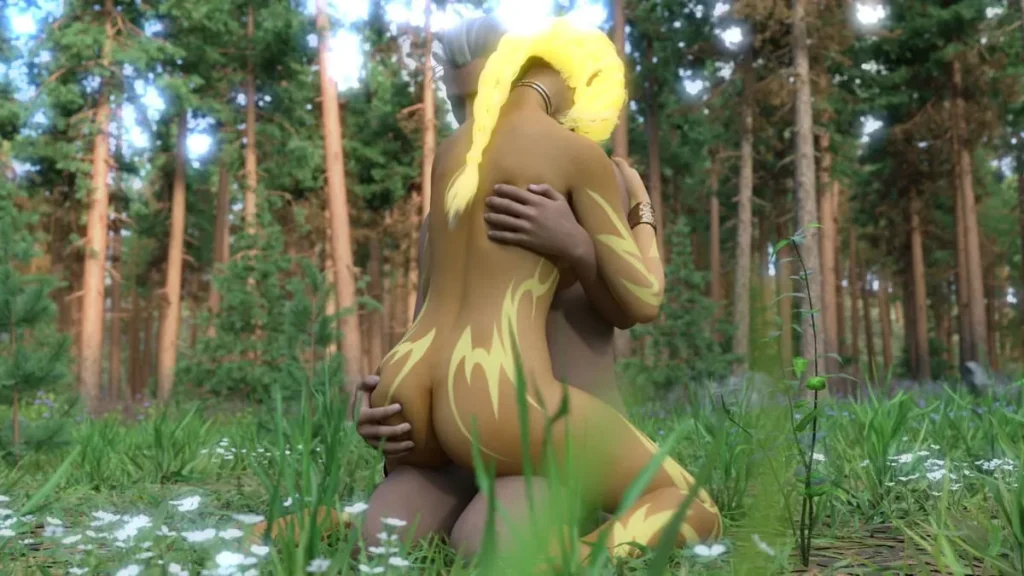
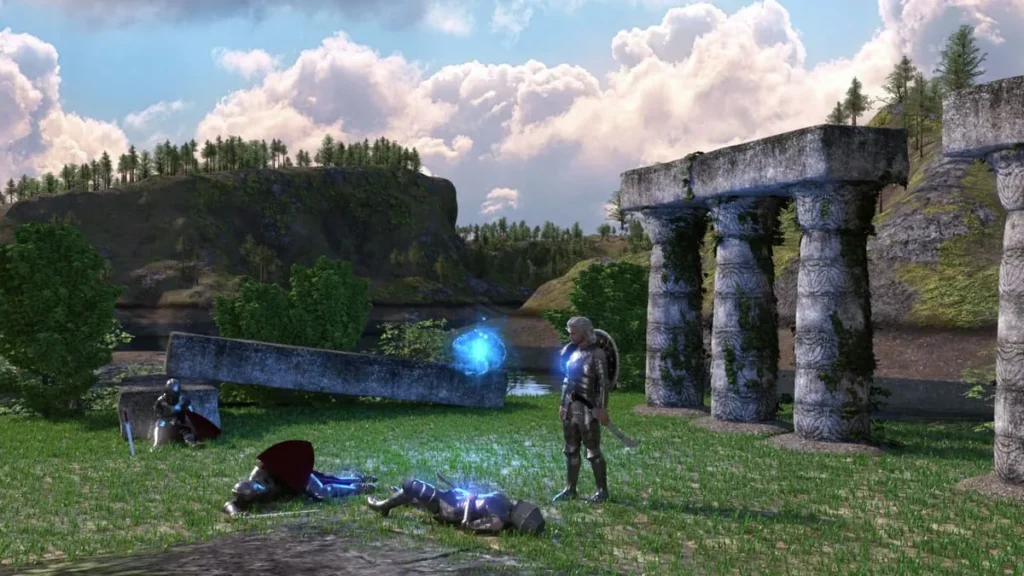
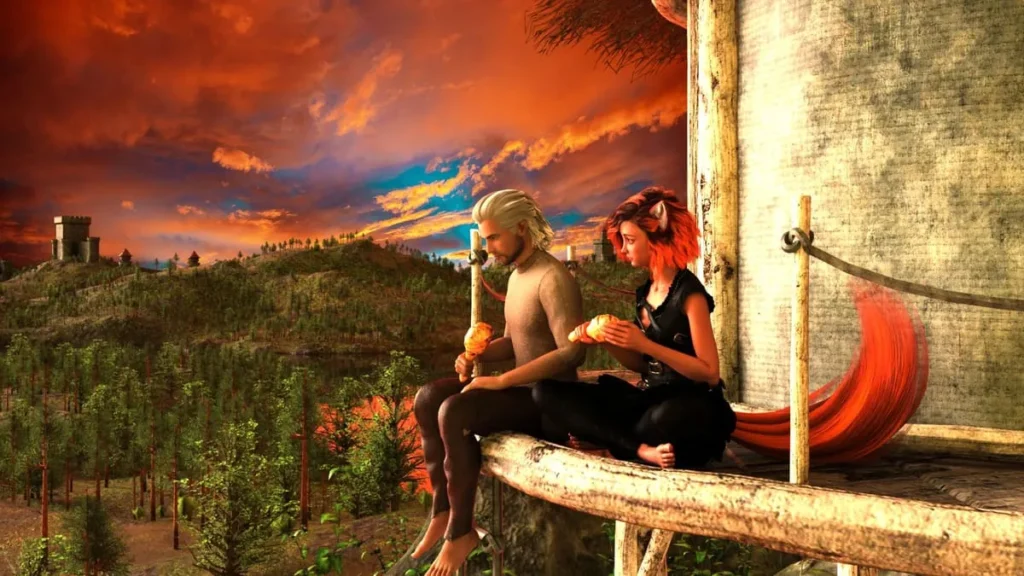
After the Inferno review
Dive into the spicy story, choices, and steamy moments of this captivating game
Imagine emerging from chaos into a world of intrigue, tough choices, and unexpected passions—that’s the thrill of After the Inferno. This visual novel hooked me from the first scene, blending a rich post-crisis tale with animated encounters that feel integral to the journey. As Devran, you’ll navigate relationships, uncover lore, and decide your path in a story full of depth. Whether you’re here for the narrative twists or the optional steamy visuals, this guide shares my personal playthrough insights, practical tips to maximize enjoyment, and why After the Inferno stands out in visual novels. Let’s explore what makes it unforgettable.
What Makes After the Inferno a Must-Play Visual Novel?
Let me tell you about the moment I realized After the Inferno was something special. 🎮 I’d booted it up expecting a straightforward, perhaps indulgent, experience. You know the type. But within an hour, I found myself genuinely ignoring the prompt for a romantic encounter, not out of disinterest, but because I was utterly engrossed in a late-night conversation about the geopolitical fallout of the game’s great calamity. That’s the magic trick this visual novel pulls off. It’s a deeply engaging world first, and everything else—the romance, the tension, the heated moments—blooms naturally from that rich soil. If you’re wondering what is After the Inferno game at its core, it’s a masterclass in balancing compelling narrative with player agency.
This After the Inferno review aims to peel back the layers and show you exactly why this title deserves a spot in your library, whether you’re a veteran of the genre or a curious newcomer. It’s more than its label as a spicy visual novel; it’s a testament to how great writing and thoughtful design can create an experience with surprising depth and longevity.
How Does the Story Unfold After the Crisis?
The premise is instantly gripping. You step into the shoes of Devran After the Inferno, a man trying to rebuild his life in the wake of a world-altering disaster. The “Inferno” is not just a cool name—it’s a cataclysmic event that has reshaped societies, redrawn maps, and left humanity grappling with survival and faith. This isn’t a post-apocalypse of mere ruins and bandits; it’s a nuanced exploration of a world in recovery, where new religions have sprung from the ashes and old powers vie for control in a changed landscape.
My first playthrough as Devran was defined by this sense of discovery. The After the Inferno story is delivered through his male perspective, which feels grounded and relatable. His reactions, from weary cynicism to guarded hope, sold me on the reality of this world. The narrative doesn’t just tell you about the factions like the sun-worshipping Helios or the technocratic Archivists; it lets you engage with their ideologies through conversations and choices that feel genuinely weighty.
Pro Tip: Don’t sleep on the in-game Codex! 📖 I made the mistake of overlooking it initially, but it’s a treasure trove of lore. Whenever a new location, concept, or historical figure is mentioned, the Codex updates. Spending a few minutes between chapters reading these entries transformed my understanding and immersion, making every political tension and personal grievance within the After the Inferno visual novel feel earned and real.
The central plot follows Devran’s journey through this fragile new world, where his decisions impact not only his own fate but also the lives of the compelling characters he meets. You’ll navigate complex relationships, make alliances, and uncover mysteries left behind by the Inferno. The brilliance lies in how these key plot points—whether negotiating a truce or learning a character’s tragic past—are given as much narrative weight and emotional payoff as the romantic pursuits. This story depth is what provides the game’s true longevity.
Why Are the Animated Scenes Optional Yet Essential?
Here’s a feature that I believe more games should adopt: complete player control. The intimate, animated scenes in this visual novel are 100% skippable. And I don’t mean a vague “fade to black”; I mean you can press a clearly marked button to skip the entire sequence, and the story will progress seamlessly as if you’d watched it. There is no punishment, no missing plot, no blocked progression. This design philosophy is a game-changer.
It sounds simple, but it fundamentally shifts the experience. It tells the player, “This is your story, your pace.” On my first run, I let every scene play out, as they felt like a natural culmination of the relationships I’d nurtured. 🫶 On a subsequent replay, focusing on a different path, I skipped a few, and the narrative flow was perfectly intact. This approach makes After the Inferno uniquely accessible. It respects that sometimes you’re here for the thrilling conspiracy, and sometimes you’re here for the full, immersive package.
But let’s call them “optional yet essential” for a reason. When you do choose to engage, they are high-quality and feel like an integral part of the character development. They are presented with a visual bias toward the female form, which is handled with a degree of artistry and respect for the context of the relationships built. These moments are the “spice” in this spicy visual novel, but they are seasoned into the stew, not just sprinkled on top. They feel earned because the game invests so heavily in the emotional connections beforehand.
For the hetero male audience the game primarily targets, it’s a confident and well-executed focus. Yet, the strength of the core After the Inferno story and its character-driven drama holds a broader appeal for anyone who enjoys a well-told, choice-driven narrative.
What Unique Features Boost Replayability?
This is where After the Inferno truly shines as a visual novel with animated scenes and solid mechanics. Its replayability isn’t a hollow promise; it’s baked into the design.
- Meaningful Branching Choices: The choices you make as Devran genuinely alter relationships and steer the plot. Will you side with one faction over another? How do you console a friend in crisis? These decisions lock and unlock entire story threads, making each playthrough distinct.
- Multiple Save Slots Galore: The game encourages experimentation. With ample save slots, you can freely create a “branch point” save and explore different dialogue options or romantic choices without consequence. It liberates you from the anxiety of a single, permanent decision.
- A Vibrant Gallery & Codex: Every discovered scene (intimate or otherwise) and character profile is stored in the Gallery, and all lore is in the Codex. These aren’t just menus; they’re rewards. They incentivize you to explore every nook of the After the Inferno story to see what you can unlock and learn.
- No-Punishment Romance: A standout feature is the game’s approach to relationships. You can, if you choose and navigate the conversations carefully, pursue multiple connections without the game forcing a catastrophic “gotcha” moment or making you feel like a villain. It acknowledges complex human dynamics, though be prepared for some emotionally charged conversations! 💘
To see how these features stack up, let’s look at a quick comparison. This isn’t about saying one is better, but highlighting what makes After the Inferno visual novel stand out in its field.
| Feature | After the Inferno | Similar Visual Novel A | Similar Visual Novel B |
|---|---|---|---|
| Story Depth & Lore | Extensive world-building with a full in-game Codex | Focus on character backstories | Light world-building for premise setup |
| Skippable Intimate Scenes | Fully skippable with no story penalty | Partially skippable (fade to black) | Mandatory for plot progression |
| Gallery/Unlock System | Comprehensive gallery for all CGs and lore codex | Basic scene replay gallery | No centralized gallery system |
| Replayability Drivers | Branching plot, multiple romance paths, collectible lore | Different romance endings | Linear story with few branches |
My practical advice? Use multiple saves liberally. Engage with the Codex to deepen your immersion. And don’t be afraid to use the skip feature—it’s there to serve your preferred experience. This After the Inferno review wouldn’t be complete without stressing that its unique features are designed to give you, the player, the reins. Whether you’re diving deep for all the lore and scenes or speed-running for different endings, the game supports your style.
Ultimately, what is After the Inferno game? It’s a compelling, character-driven journey through a beautifully broken world. It respects your time and your choices, offering heat when you want it and a heavyweight narrative whenever you need it. The journey of Devran After the Inferno is one of recovery, connection, and discovery, making it a must-play for anyone who believes interactive stories can have both heart and heat. 🔥
FAQ: Your After the Inferno Questions, Answered
Q: Is After the Inferno skippable if I’m just here for the story?
A: Absolutely, yes. This is one of its best features. Every animated intimate scene can be skipped with a single button press, and the story will continue without any interruption or loss of plot-critical information. You can enjoy the entire After the Inferno story at your own comfort level.
Q: How many endings are there in After the Inferno?
A: Without venturing into spoiler territory, there are multiple endings that are determined by your key relationship choices and major plot decisions throughout the game. This, combined with the various romantic paths, provides plenty of reason to revisit the story and see how different choices reshape Devran After the Inferno‘s fate.
Q: Do I have to choose only one romantic partner?
A: Not necessarily. The game allows for more flexible relationship dynamics. While pursuing multiple paths can lead to complex emotional situations (which are part of the narrative drama), there is no designed “game over” punishment for it like in some other visual novels. Your mileage and the character reactions will vary based on your choices!
Q: Is the content respectful in its presentation?
A: The game is designed for a mature audience and presents its intimate content within the context of the relationships built. While visually focused, it avoids being gratuitous by tying these moments to character development and prior emotional beats, treating them as a narrative component rather than a detached feature.
Q: How long is a typical playthrough?
A: A single, thorough playthrough where you engage with the story, explore dialogue, and don’t skip much can take several hours. The exact length will vary based on your reading speed and how much you delve into the optional Codex entries. The high replayability through branching choices effectively extends the game’s life well beyond that first run.
After the Inferno masterfully weaves a gripping tale of survival, choices, and connections that kept me replaying for hours. From Devran’s journey through lore-rich worlds to those pivotal relationship moments, it delivers depth and excitement without forcing any path. My tip? Dive in with multiple saves to uncover every branch—it’s worth it for the twists and personal growth. If you’re craving a visual novel that balances story and spice, grab After the Inferno today and see where your decisions lead. What’s your first choice going to be?