Crimson High
Play Crimson High
Crimson High Screenshots

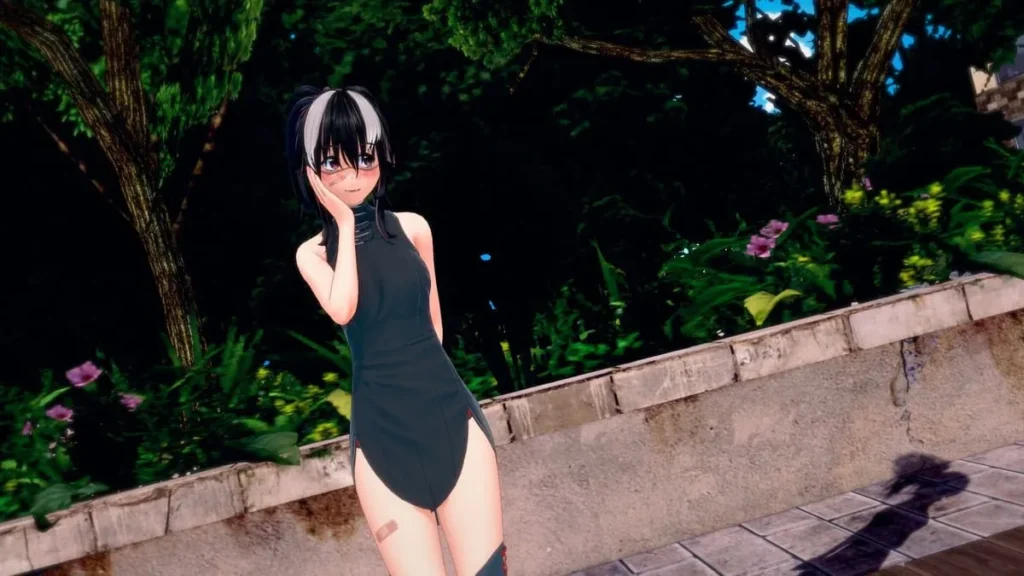
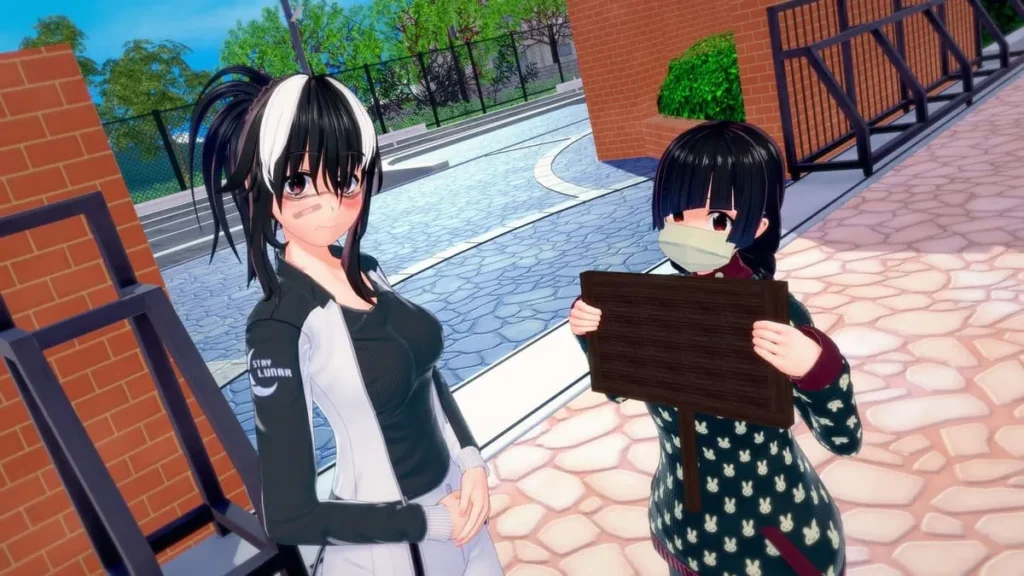
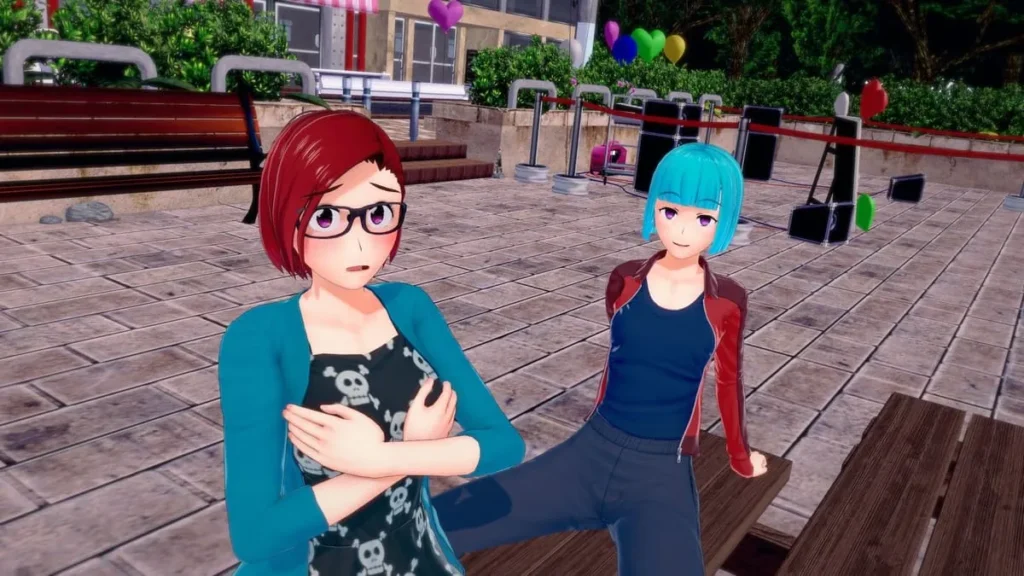
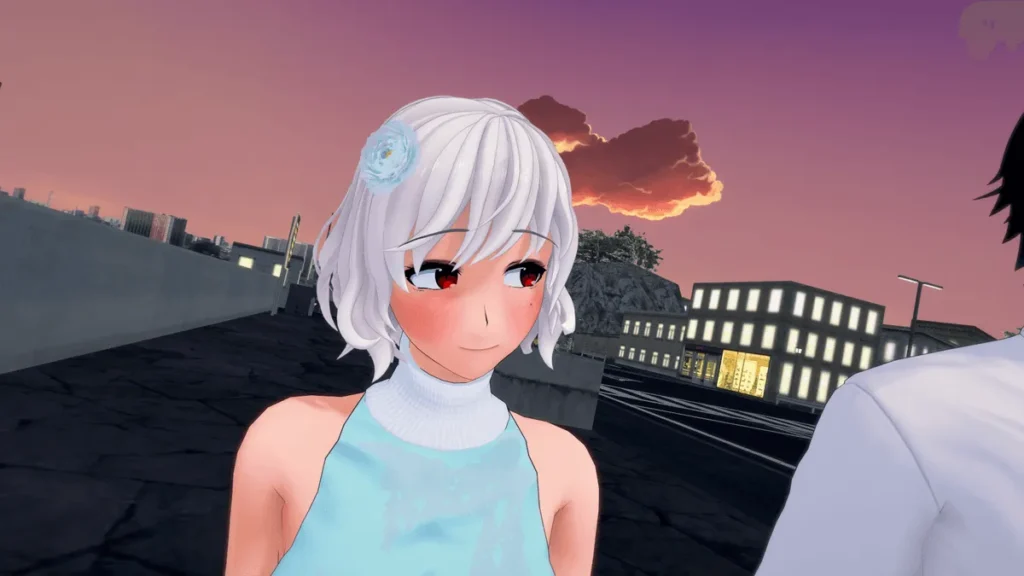
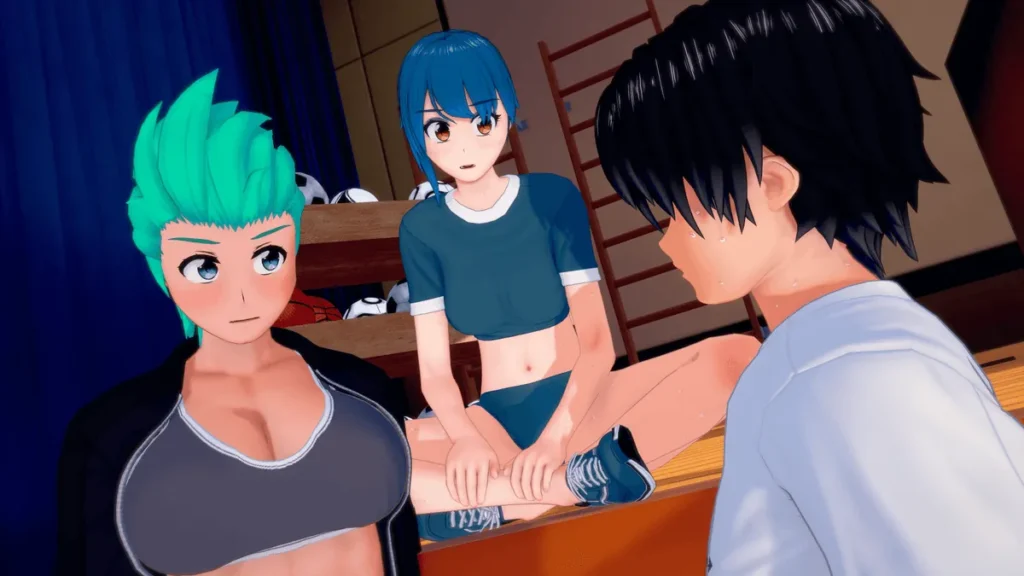
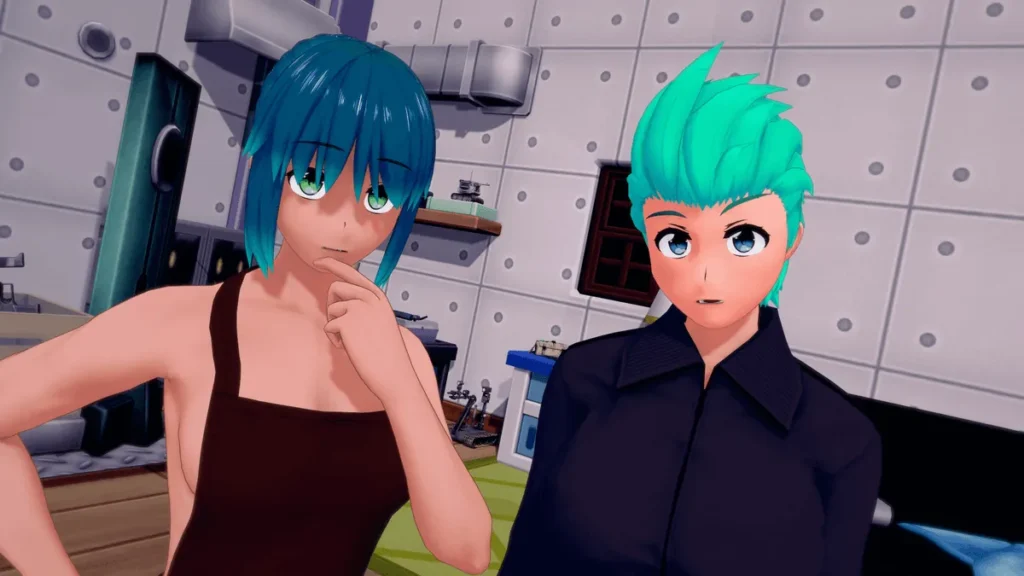
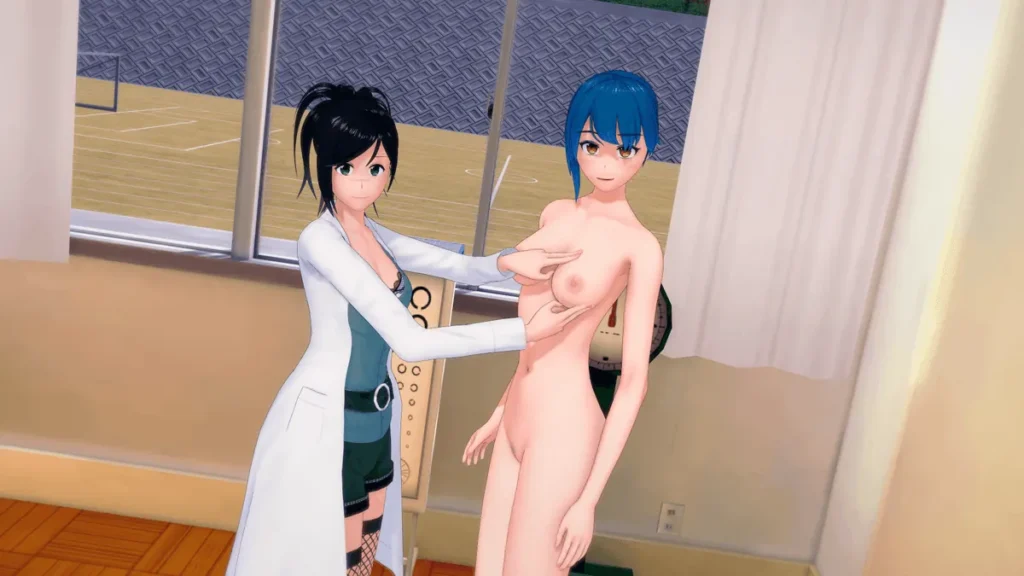
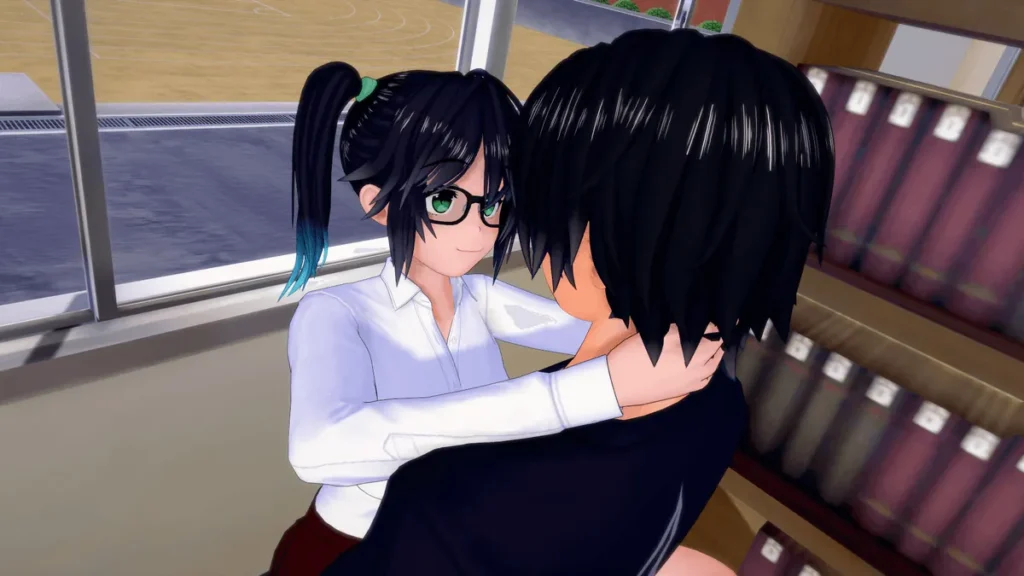
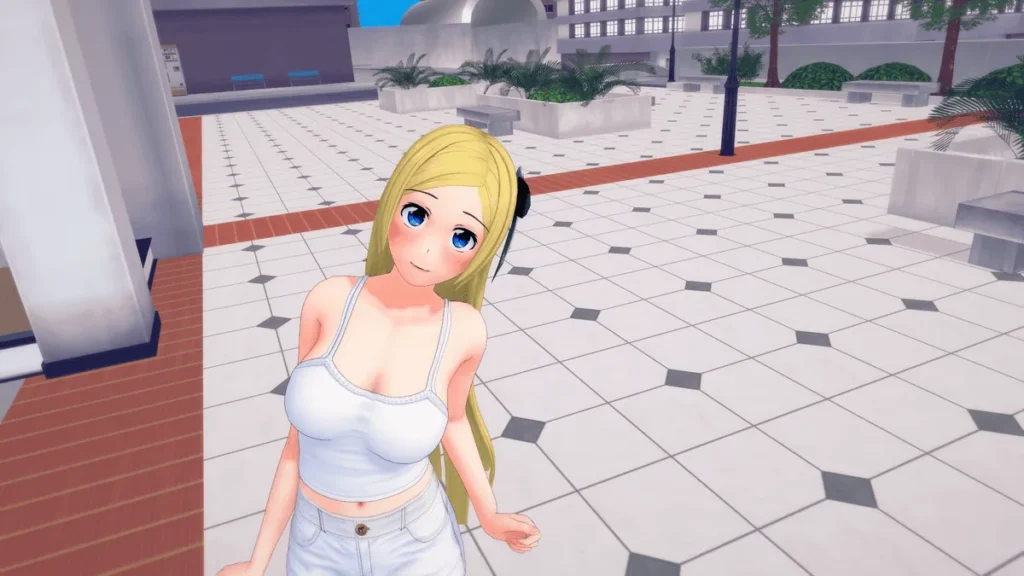
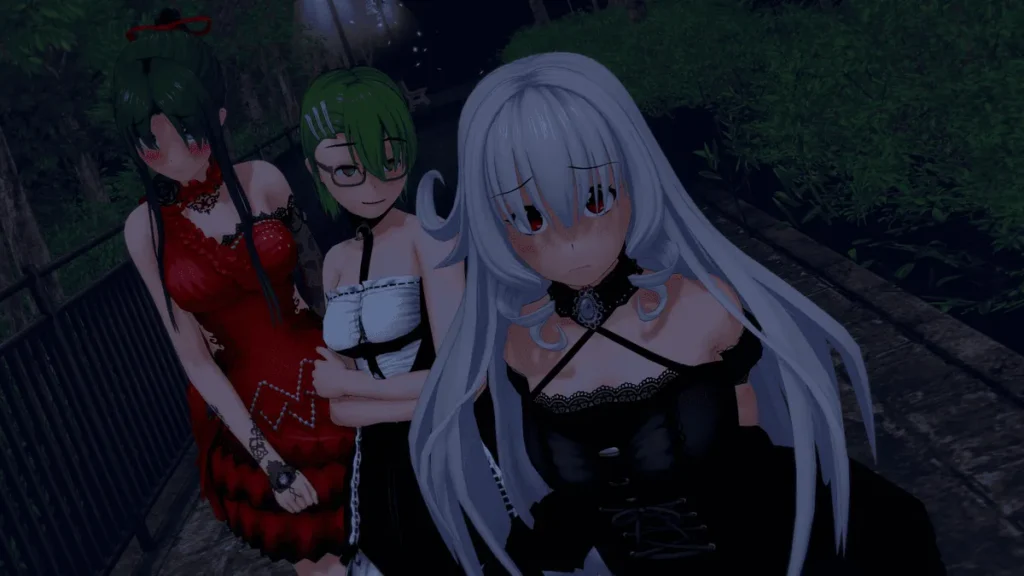
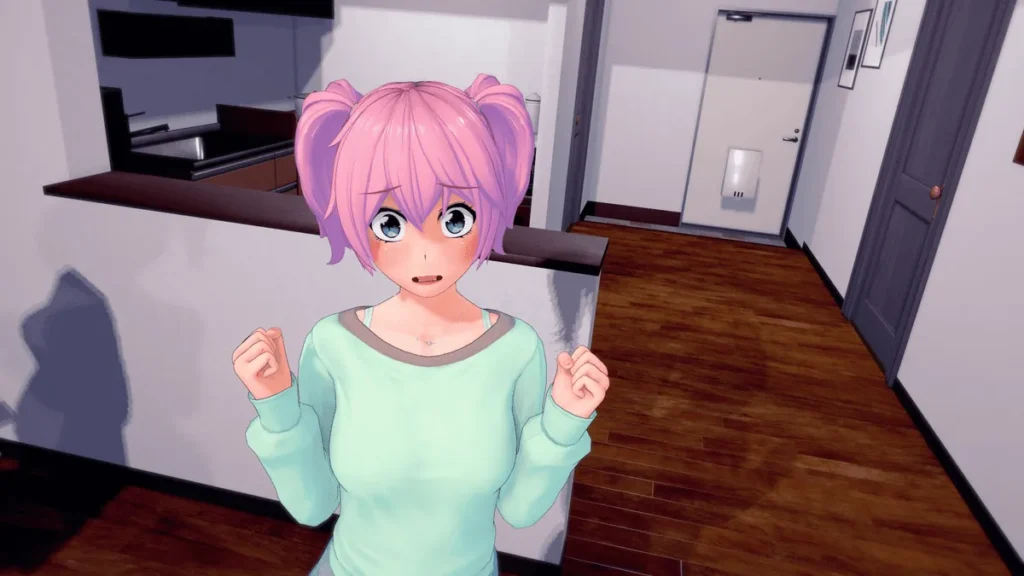
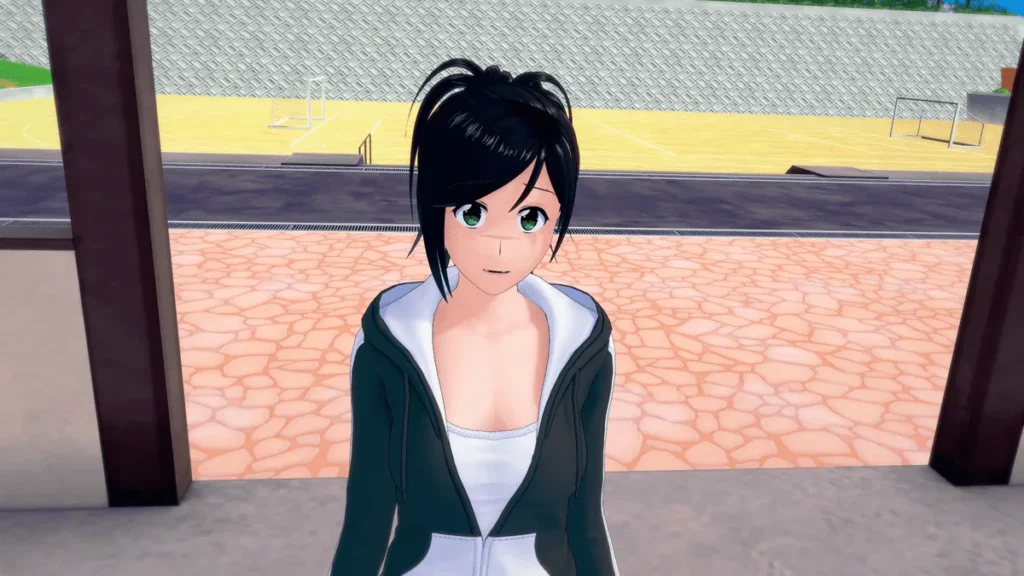
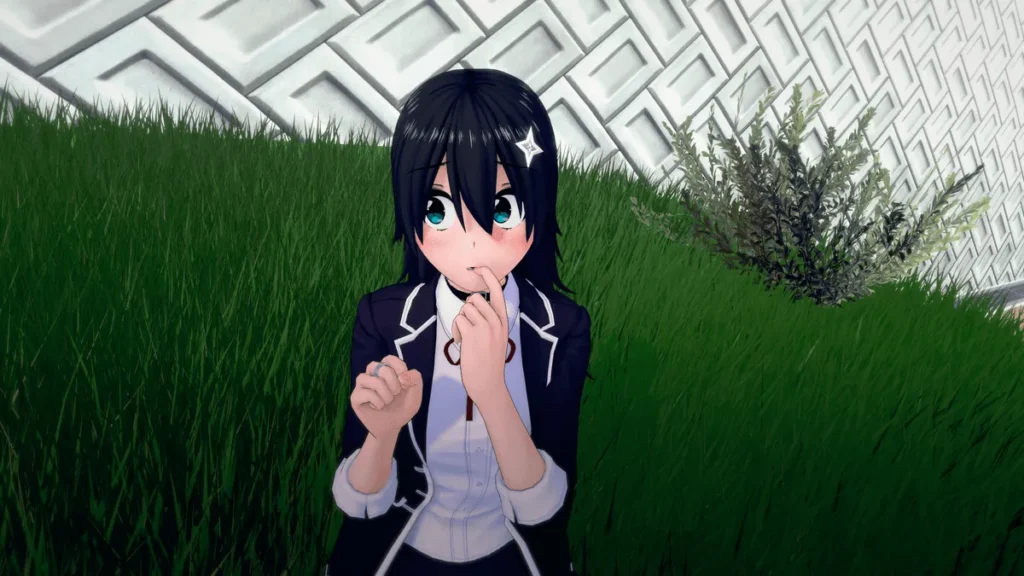
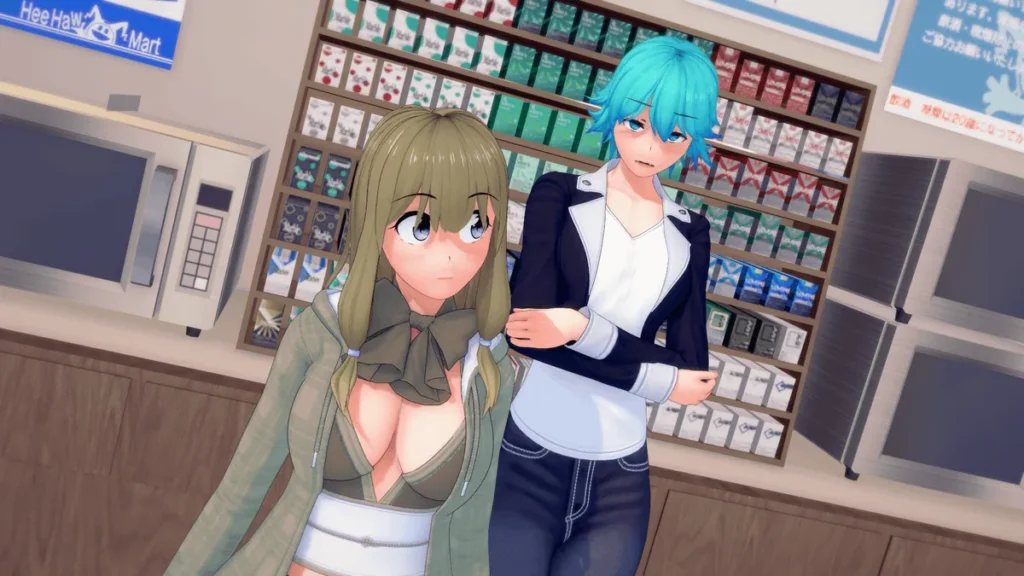
Crimson High review
Explore characters, narrative choices, and what makes this visual novel experience unique
Crimson High stands out as a narrative-driven visual novel that combines character-focused storytelling with meaningful player choices. This guide explores the game’s core mechanics, character relationships, and what players can expect from the experience. Whether you’re new to visual novels or a seasoned player, understanding Crimson High’s approach to storytelling and character development will enhance your appreciation of the game. The title references the high school setting where the story unfolds, creating a backdrop for complex character interactions and plot developments that evolve across multiple chapters.
Understanding Crimson High’s Narrative Structure and Character Development
Ever felt like you’re just along for the ride in a story? 😩 You click through beautiful art and listen to lovely music, but your decisions feel… decorative. Crimson High throws that whole notion out the window. From the moment you step onto its rain-slicked campus, you’re not just observing a tale—you’re forging it, one narrative choice at a time. This guide will peel back the curtain on what makes this visual novel character development so compelling and how your every decision weaves a story unique to you. 🎭
The genius of Crimson High story progression lies in its delicate balance between a guided experience and genuine player freedom. It’s a dance where the game leads you through essential plot beats but leaves the style of your steps entirely up to you. Let’s explore how this intricate framework operates.
How Story Progression Works Across Chapters
Think of Crimson High’s chapters not as rigid boxes, but as evolving emotional landscapes. 🗺️ The early chapters, particularly Chapter 2 and Chapter 3, are masterclasses in setup. They aren’t just about introducing faces; they’re about establishing the soil in which relationships will either flourish or wither.
The game employs a clever “hub-and-spoke” model for its Crimson High chapter guide. Each chapter presents a core timeline of events—classes, school festivals, pivotal school days—that form the unshakable backbone of the plot. These are your “hub” moments. But branching from this hub are countless “spokes”: optional interactions, location-based encounters, and dialogue choices that define your character’s personality and affections.
For instance, a Chapter 2 library scene might be a fixed event on a Tuesday. That you go to the library is non-negotiable for the plot. But who you talk to there, what you say, and whether you discover a secret side passage filled with old yearbooks? That’s all on you. This structure ensures the Crimson High story progression always moves forward with purpose, yet feels deeply personal. You’re never lost, but you’re constantly exploring.
I remember my first playthrough, blithely skipping a bedroom scene in Chapter 3 thinking it was just fluff. Big mistake. 🤦♂️ That quiet, optional moment with a character later became the key to understanding a major conflict. The game had subtly planted a seed I failed to water, changing the emotional payoff down the line. This is the pacing magic of Crimson High: early, seemingly minor scenes are almost always serving long-term narrative branching in visual novels.
Character Introductions and Their Role in the Plot
Meeting the cast of Crimson High is less of a handshake and more of a personality splash to the face. 💦 Each introduction is meticulously crafted not just to show you who they are, but to hint at the narrative weight they carry. The game is upfront about its core cast while leaving delightful secrets in the background.
The Crimson High main characters are split into clear tiers that directly influence your playthrough’s scope and ending. Understanding this hierarchy is crucial to navigating the story’s heart. Here’s a breakdown:
| Character | Role | Introduction Chapter | Narrative Purpose |
|---|---|---|---|
| Yukari | Main Heroine | Chapter 1 | The central emotional anchor; her route ties directly to the core supernatural mystery of the school. |
| Aki | Main Heroine | Chapter 1 | Represents the “heart” of the school’s social sphere; her path explores tradition vs. change. |
| Jun | Main Heroine | Chapter 2 | Offers an outsider’s critical perspective; her development is key to unraveling hidden conspiracies. |
| Mana | Sub-Heroine | Chapter 2 | Provides deep world-building and alternative perspectives on main plot events; routes are shorter but rich in lore. |
| Miri | Sub-Heroine | Chapter 3 | Focuses on personal, character-driven stories that color in the edges of the Crimson High world. |
| Nao | Sub-Heroine / Background | Chapter 1 (Background), Chapter 3 (Interactive) | Epitomizes the “hidden gem”; minor interactions that can blossom into touching side stories. |
This clear distinction means your visual novel character development has a primary focus. Pursuing Yukari, Aki, or Jun will take you on a deep dive into the central narrative, with choices that significantly alter the school’s fate and reveal major truths. Their arcs are novel-length, woven into the fabric of every chapter.
Meanwhile, characters like Mana and Miri offer fabulous, novel-like side stories. They might comment on the main plot from a different angle or provide crucial clues, but their emotional journeys are more self-contained. This doesn’t make them lesser—in fact, Mana’s route completely changed my understanding of the school’s history! 😲 It’s a testament to the game’s layered writing.
And then there are background characters like Nao. You’ll see her in the hall, maybe share a line or two. But if you make the consistent choice to say hello? You might unlock a tender subplot about family expectations that adds a beautiful layer of realism to the world. This is the secret sauce: every character, no matter how small, contributes to the feeling that Crimson High is a living, breathing place.
The Importance of Player Choices in Shaping Relationships
So, how do visual novel choices affect story in Crimson High? It’s not about simple “nice vs. jerk” dialogs. 🎮 The game’s player choice mechanics visual novel are a sophisticated web of affinity, timing, and consistency. Your choices build an invisible profile of your protagonist that characters react to, often in subtle ways.
The most powerful choices aren’t the dramatic declarations in Chapter 5, but the consistent, small kindnesses you show in Chapter 2. Characters remember.
Relationship paths aren’t opened by a single “Love +5” choice. Instead, they are unlocked by demonstrating a pattern of behavior a character values. For example, consistently choosing studious, library-focused options makes you more aligned with certain characters, while choosing rebellious, festival-planning actions attracts others. The game tracks this, opening and closing dialogue branches and event opportunities accordingly.
This leads to the brilliant tension between forced scenes and optional scenes. A forced scene is a mandatory story beat—like a crucial confrontation in the old school building. Everyone experiences this scene. But your state entering that scene—which characters trust you, what secrets you’ve learned—drastically changes its outcome and available options. An optional scene, like comforting a character after a minor setback, might be the key that gives you a unique dialog path in that later forced confrontation.
This is the core of narrative branching in visual novels as executed by Crimson High. You’re not choosing between Path A and Path B at a single junction. You’re laying down hundreds of tiny track switches from the very start, guiding the narrative train toward one of many distinct terminals. A playthrough focused on Yukari will have a completely different thematic tone, key events, and even roster of supporting characters involved in the climax compared to a playthrough for Jun.
Pro Tip: Don’t savescum (constantly reload) for every single choice! 😅 Part of the magic is living with smaller “mistakes.” They often lead to unexpected, charming moments or create satisfying dramatic tension that feels more real.
FAQ: Your Crimson High Narrative Questions, Answered!
-
“Why am I seeing romantic scenes with a character so early? I barely know them!” 🤔
This is intentional! Crimson High uses early chemistry or tension to establish potential. These scenes set a narrative “flag.” Whether that relationship grows into something deep or remains a fleeting moment is entirely dependent on your subsequent choices. It’s the game showing you a possible road, not forcing you down it. -
“Are all these library and bedroom scenes necessary? They feel slow.” 📚
Yes, but not in the way you might think. Their “necessity” isn’t always about plot information. These quieter moments are the primary engines for visual novel character development. They build intimacy, reveal vulnerabilities, and establish the shared history that makes later dramatic beats land with real emotional force. Skipping them makes the story functional, but not fulfilling. -
“I got a ‘bad’ ending even though I was trying to be nice. What happened?” ☔
This is classic Crimson High. Alignment matters more than superficial kindness. Being uniformly “nice” to everyone can sometimes be read as indecisive or inauthentic by the characters. The Crimson High main characters have clear values; consistently acting against those values—even politely—will distance them. The game rewards genuine connection over people-pleasing.
Ultimately, the Crimson High story progression is a conversation between you and its world. Your choices are your voice in that conversation, shaping everything from the grand plot to the fleeting glance a character gives you between classes. It’s a profound demonstration of how visual novel choices affect story, proving that the most powerful narratives aren’t just told—they are built, choice by delicate choice, into an experience that feels truly your own. ✨
Crimson High demonstrates how visual novels balance player agency with narrative intent. The game’s approach to character development—introducing relationships early while building toward larger plot revelations—reflects a deliberate storytelling strategy. Understanding the distinction between necessary plot scenes and character-building moments helps players appreciate the game’s pacing. As the game continues development with upcoming chapters, the early narrative choices and character interactions establish foundations for more complex story arcs. Players who engage with the game’s full scope, including background character interactions and optional dialogue, discover a richer experience than focusing solely on main heroines. The game invites players to trust in its narrative direction while respecting their preferences for how they experience the story.