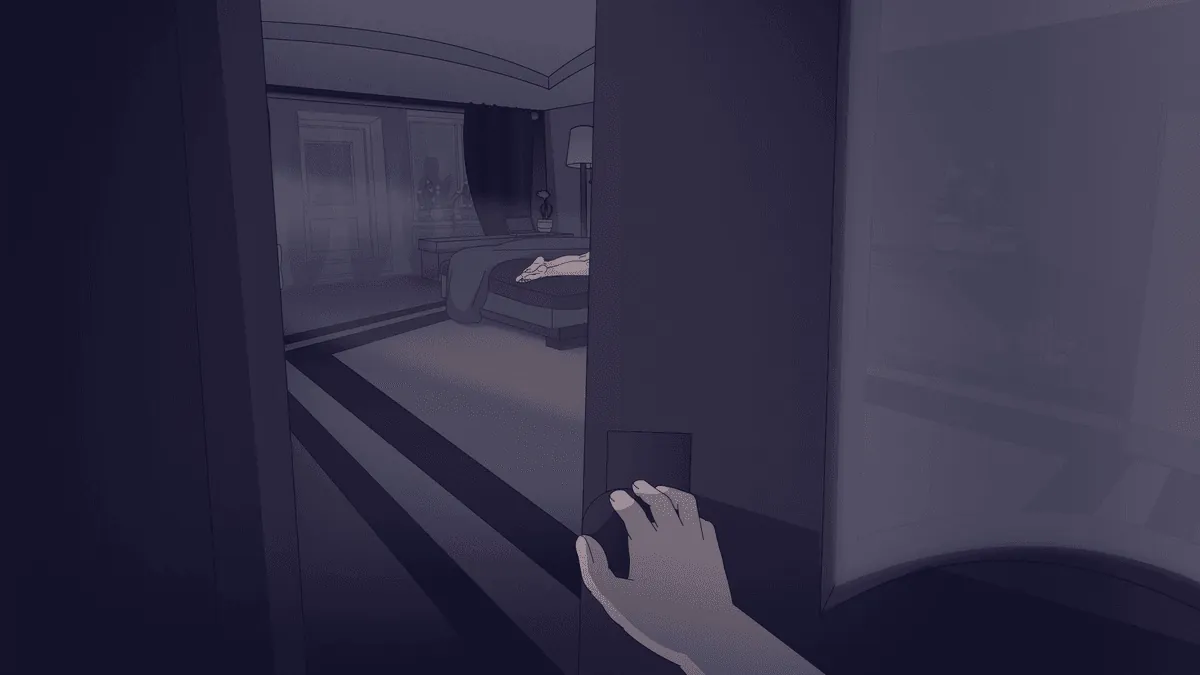
Friends in Need
Play Friends in Need
Friends in Need Screenshots

























Friends in Need review
Explore Storylines, Gameplay, and Player Experiences in Friends in Need
Friends in Need is a narrative-driven adult visual novel game that immerses players in complex storylines and character relationships. This guide dives deep into the game’s unique features, multiple story paths, and gameplay mechanics, offering practical advice and personal insights to help players navigate its rich content. Whether you’re new or looking to explore advanced strategies, this article covers everything you need to know about Friends in Need.
Exploring the Story and Characters in Friends in Need
Ever started a game thinking you know exactly how the story will go, only to have a single conversation completely flip the script on you? 😲 That’s the magic of diving into the Friends in Need story. This isn’t a tale you simply watch unfold; it’s one you actively build, brick by emotional brick, with every decision you make. At its heart, this interactive story game is a powerful exploration of friendship, crisis, and the delicate threads that connect us.
Welcome to the core of the experience: the people and the paths. Whether you’re here for deep character connections or the thrill of shaping a unique narrative, understanding the story and characters in Friends in Need is your first step into its rich, responsive world. Let’s pull back the curtain. ✨
What Makes Friends in Need’s Story Unique?
Forget linear plots where your input is an illusion. The Friends in Need story thrives on its complex, visual novel branching storylines. Think of it less like reading a book and more like navigating a living, breathing network of relationships and consequences. The premise might seem familiar—a group of friends supporting each other through a tough time—but the execution is anything but standard.
The genius lies in how the narrative weight is distributed. You’re not just following a main protagonist; you’re often stepping into the shoes of different Friends in Need characters throughout the story. This perspective-switching mechanic is a game-changer. It allows you to understand motivations from the inside out, making the interpersonal drama feel incredibly authentic and multi-dimensional. One moment you’re advocating for a course of action, and the next, you’re playing as the friend who has to deal with the fallout of that very advice. It creates a beautifully messy and realistic tapestry of cause and effect.
This structure is the engine behind the game’s incredible replay value. On your first playthrough, you might mend fences and strengthen bonds. On your second, those same Friends in Need narrative choices could lead to simmering resentment and fractured relationships. The story doesn’t judge you for being a meddler or a peacekeeper; it simply reflects the world your decisions create. This commitment to meaningful consequences is what sets its story apart in the genre.
Key Characters and Their Roles
The soul of this journey lies with its cast. They are flawed, relatable, and written with a depth that makes you care deeply about their fates. The character development in Friends in Need isn’t a static trait list; it’s a dynamic process that evolves directly based on your interactions. Let’s meet the core group you’ll be guiding (and sometimes arguing with).
| Character | Key Role & Personality | Central Conflict & Arc |
|---|---|---|
| Alex | The central figure in crisis. Often vulnerable, struggling, and at the mercy of both their own pain and the well-intentioned (or not) help from friends. | Navigating personal trauma while managing the sometimes-overwhelming attention and advice from the entire friend group. Their recovery path is the story’s primary variable. |
| Sam | The “Fixer.” Practical, loyal, and sometimes controlling. They want to solve problems directly, often struggling to just *be* there emotionally. | Learning that support isn’t always about having the right answer, and that their need to control outcomes can sometimes cause more harm than good. |
| Jordan | The Empath. Intuitive, gentle, and highly sensitive to the group’s emotional undercurrents. They often act as the mediator. | Balancing their own emotional exhaustion from carrying everyone’s feelings with their deep desire to keep the group united and peaceful. |
| Casey | The Distancer. Uses humor and deflection to avoid heavy emotions. They care deeply but are terrified of true, messy vulnerability. | Confronting their own avoidance mechanisms and deciding whether to finally lean into the group for support or risk drifting away entirely. |
I remember in one of my playthroughs, I was so focused on “fixing” Alex’s situation through Sam’s pragmatic lens that I completely neglected Jordan’s quiet burnout. 🤦♂️ By constantly choosing dialogue options that prioritized immediate solutions over emotional check-ins, I created a scenario where Jordan eventually snapped, accusing the group (and me, by extension) of emotional selfishness. It was a gut-punch moment that completely reshaped the story’s final act. That’s the power of this cast—they don’t exist in a vacuum; they react, remember, and grow weary.
How Player Choices Shape the Narrative
So, how does it all work? The impact of choices in Friends in Need is both immediate and far-reaching. You won’t just see a “Character A liked that” notification. Instead, choices quietly seed future conversations, alter character availability for key scenes, and determine which narrative branches you even have access to hours later.
The game masterfully uses a combination of:
* Major Crossroads: Clear, dramatic decisions that split the plot (e.g., “Do you confront Alex about their destructive behavior now, or wait?”).
* Subtle Dialogue Shifts: Seemingly small remarks that accumulate to define your relationship with a character. Consistently siding with Sam will make Jordan more reserved around you. 😶
* Perspective Choices: Deciding how to frame a situation when talking to another friend. Are you honest, protective, or manipulative with the information you have?
Pro Tip: There are no universally “right” or “good” choices. A decision that brings Alex immediate comfort might enable harmful behavior. A tough-love approach that works for Sam might shatter Casey. The moral complexity is the point!
Let’s look at a detailed example of a key branching decision.
The Scenario: Midway through the story, Alex is considering a major, life-altering decision (like moving away abruptly or cutting off their family). They come to you, as the player, for counsel.
Choice A: “I think you should go for it. You need a fresh start.”
* Immediate Consequence: Alex feels validated and empowered. Your relationship with them deepens significantly. 🥰
* Ripple Effect 1: Sam discovers you encouraged this and is furious, accusing you of being reckless with Alex’s well-being. A heated argument ensues, potentially locking you out of Sam’s supportive subplots.
* Ripple Effect 2: Casey, who is terrified of change and abandonment, hears about this and becomes distant, interpreting your advice as a disregard for the stability of the friend group.
* Potential Endgame: This path could lead to an ending where Alex finds independence but at the cost of fracturing the original friend group. You might end up with a strong, one-on-one bond with Alex while others drift away.
Choice B: “This seems sudden. Let’s talk through the pros and cons with everyone.”
* Immediate Consequence: Alex feels slightly dismissed and patronized. Your rapport with them cools a little. 😕
* Ripple Effect 1: Sam respects your cautious approach and is more willing to collaborate with you on future plans. Your alliance strengthens.
* Ripple Effect 2: Jordan appreciates the inclusive, communal approach, seeing it as a move to keep the group together. They confide in you more.
* Potential Endgame: This may lead to a more unified, “found family” ending where the group remains tight, but Alex’s personal journey toward self-determination is slower and perhaps less resolved. The group’s health is prioritized over individual radical change.
This is just one decision point! The game is woven from dozens of these moments, creating a profoundly personalized narrative. The Friends in Need story you experience is genuinely yours—a direct reflection of your instincts, your biases, and your philosophy on friendship and support. The real question isn’t “What’s the best ending?” but rather “What kind of story do you want to tell?” 🎭 Ready to find out?
Friends in Need offers a richly woven narrative experience where player choices deeply affect character relationships and story outcomes. By understanding the story structure and key characters, players can fully immerse themselves and enjoy the multiple paths the game offers. Dive in, explore different decisions, and discover your unique journey in Friends in Need.