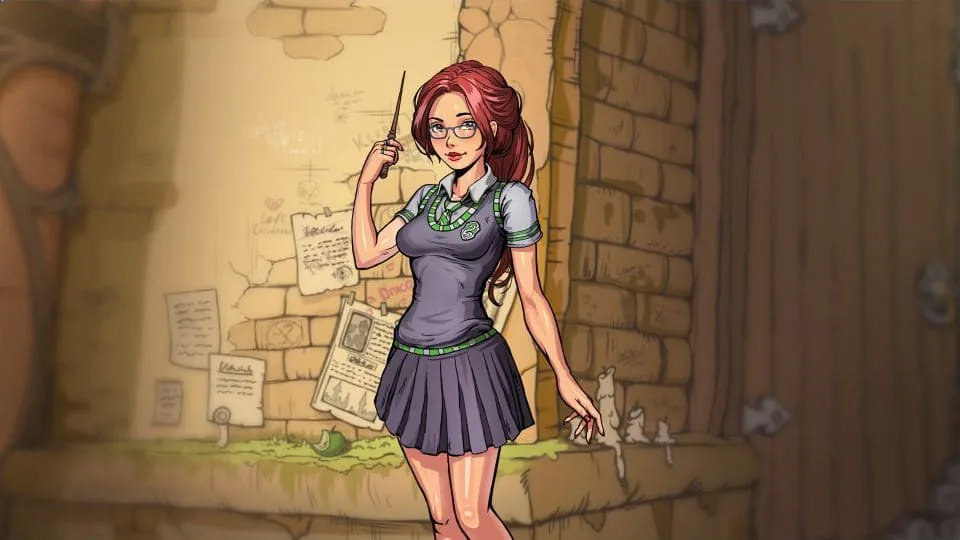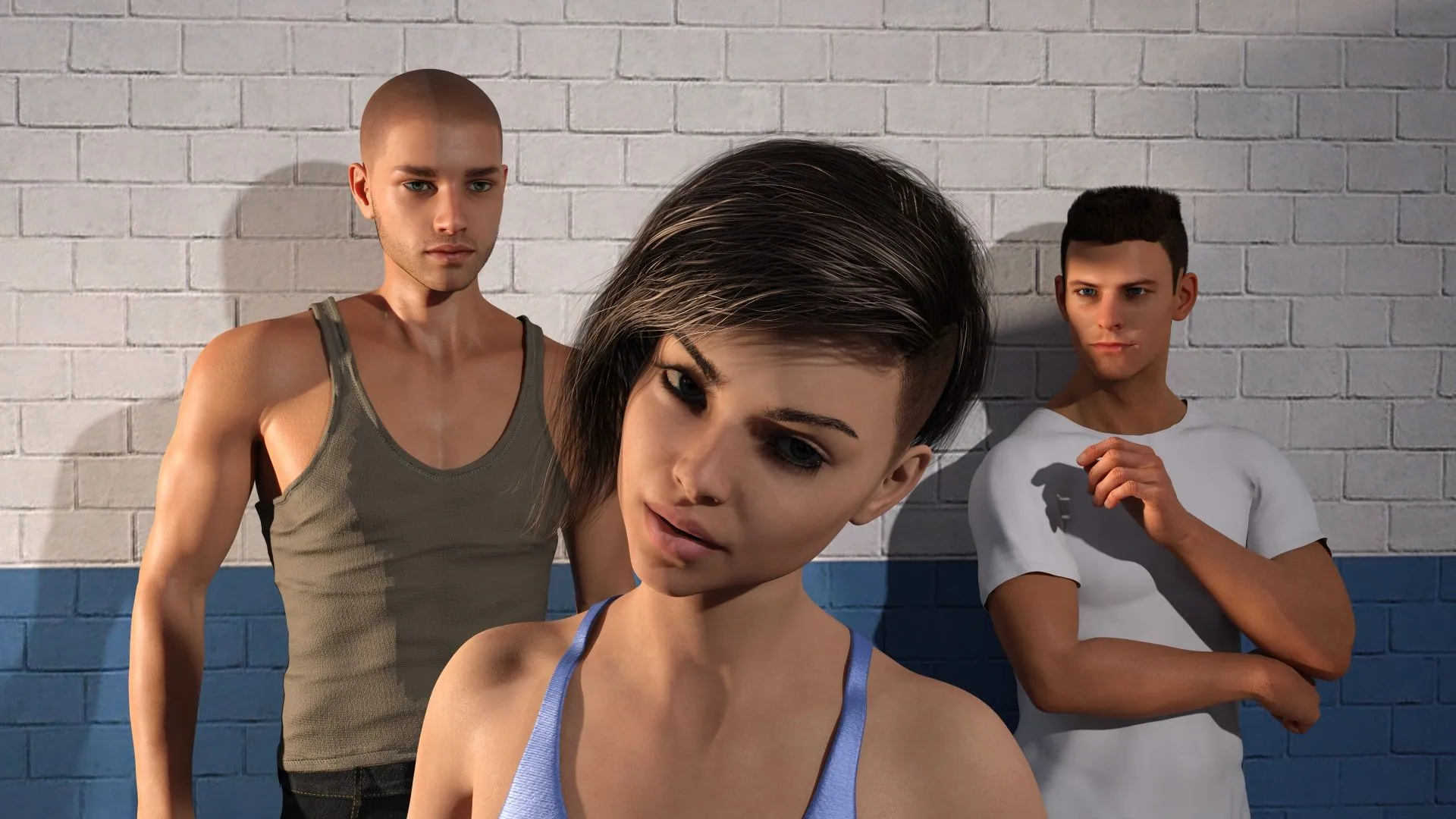
Long Story Short
Play Long Story Short
Long Story Short Screenshots

Long Story Short review
Explore all story paths, choices, and features in this adult visual novel adventure
Long Story Short is an adult-oriented visual novel adventure game that offers players multiple branching story paths and meaningful choices that shape their gameplay experience. Released on Steam in October 2024, this indie title has garnered significant attention for its engaging narrative structure and player-driven storytelling. Whether you’re new to the game or looking to maximize your playthrough experience, understanding the core mechanics, available paths, and decision points is essential. This guide explores everything you need to know about navigating Long Story Short’s complex story branches and unlocking unique content.
Understanding Long Story Short: Game Overview and Core Features
Ever downloaded a game promising “choices matter,” only to find your decisions change a character’s hat color and nothing else? 😤 Yeah, me too. It’s the ultimate letdown in a story-driven experience. That’s why, when I first booted up Long Story Short, I was cautiously optimistic. By the end of my first playthrough, I was utterly hooked. This isn’t just another visual novel; it’s a masterclass in choice-driven storytelling where every dialogue option feels like it has genuine weight. Released in October 2024 by TTrickGames, this Steam visual novel has quickly carved out a dedicated fanbase, and for good reason. It respects your intelligence and your time, offering a branching narrative game experience that is as deep as it is engaging.
At its heart, Long Story Short is an adventure visual novel built on a simple but powerful promise: your choices directly write the story. Forget passive reading; this is about active participation. You navigate a captivating narrative, making decisions that don’t just alter a scene or two but fundamentally reroute the entire journey, leading to distinct interactive story paths and endings. Whether you’re a veteran of the genre or new to the world of visual novel adventures, this guide will break down everything that makes this game a standout title. Let’s dive into what makes it so special.
What Makes Long Story Short Unique as a Visual Novel
So, what sets Long Story Short apart in a crowded field? It’s the seamless fusion of compelling writing, mature themes handled with nuance, and a technical structure that truly empowers the player. This isn’t a linear story with a few detours; it’s a complex web of potential narratives. The game proudly wears the “Choices Matter” and “Branching Plot” tags on its Steam page—and it actually delivers on that promise. The adult game mechanics and content are woven into the character development and relationship building, serving the story rather than dominating it. This creates a more immersive and believable world.
From a technical standpoint, the game is a polished experience. It uses a 3D visual novel format that gives characters and environments a dynamic feel, far beyond static 2D sprites. The production quality is evident, contributing to the overall atmosphere and pulling you deeper into its world. But the real magic is in the narrative architecture. The developers have constructed a story where branches aren’t just minor deviations; they are entirely different roads through the same forest, each with its own sights, challenges, and destinations. 🗺️
To get a quick sense of what you’re diving into, here are the essential specs:
| Specification | Details |
|---|---|
| Release Date | October 2024 |
| Developer & Publisher | TTrickGames |
| Primary Platform | Steam (PC) |
| Price | $14.99 |
| Genre | Adult Adventure Visual Novel |
| Key Features | Branching Narrative, Choice-Driven Plot, Multiple Endings, 3D Visuals, Adult Content |
| Steam Reception | 93.8% Positive Reviews (from over 7,230 units sold) |
This stellar reception isn’t an accident. Players are responding to a game that respects their agency. In my first session, I made what I thought was a simple, kind choice early on. Hours later, that decision closed off a major story arc I didn’t even know existed, while opening up a completely unique character interaction I hadn’t seen in any online guides. That moment of surprise—the realization that the game was truly listening—is the core of the Long Story Short game experience. It transforms it from a story you read into a story you own.
Tip: Given the adult nature of the content, the game requires legal age verification upon startup. This ensures a responsible gaming environment and aligns with platform standards for mature Steam visual novels.
Game Mechanics and How Choices Impact Your Story
Let’s talk about the engine under the hood. The gameplay mechanics in Long Story Short are elegantly simple on the surface but incredibly complex beneath. You’ll spend most of your time reading beautifully written dialogue and narration, punctuated by decision points that can range from the seemingly trivial to the profoundly consequential. There’s no combat, no puzzles to solve for the sake of it—just pure, unadulterated narrative pressure. The weight of every choice is the real challenge.
The system is designed around key triggers and flags. Think of these as invisible checkpoints the game records. A simple choice in Chapter 1 might set a relationship flag with a character to “Friendly,” while another might set it to “Distrustful.” These flags are not isolated; they compound and interact throughout the entire story. Later, a crucial scene might only trigger if you have the “Friendly” flag and made a specific supportive choice in Chapter 3. This creates a butterfly effect where your early game persona dictates your late-game possibilities.
Here are the key gameplay features that define this visual novel adventure:
* Dialogue Choices: The primary tool for shaping your path. Options often reflect different personalities (charming, aggressive, pragmatic, empathetic).
* Relationship Values: Hidden meters track your standing with each major character, influenced by your choices. These values gatekeep entire scenes and endings.
* Branching Checkpoints: The story doesn’t branch at every choice. Instead, it flows until key narrative junctions where your accumulated flags determine which route you take.
* Scene Unlocks: Specific combinations of choices unlock exclusive scenes, contributing to the game’s adult game mechanics and deeper character development.
* Save System: Encouraged and essential! You’ll want to save before major decisions to explore alternatives, fueling the replayability.
I learned this the hard way. In one playthrough, I played a very cautious, reserved character. This led to a story that felt tense and isolating, full of missed connections. On my next run, I chose bold, forward dialogue options. The entire tone of the game shifted! Characters reacted to my confidence, opening up sarcastic banter and romantic subplots that were completely absent before. It was like playing two different games with the same art assets. This is the power of its choice-driven storytelling—it doesn’t just change the ending; it changes the entire narrative flavor.
The “Choices Matter” tag is the gospel truth here. Will you prioritize one relationship over another? Will you reveal a secret or hold it close? These aren’t just moral quizzes; they are narrative steering wheels. A choice that leads to a romantic encounter in one path might result in a bitter confrontation in another. This mechanic ensures that your personal playthrough of Long Story Short feels uniquely yours, a direct product of your instincts and preferences.
Available Story Paths and Narrative Branches
Now for the grand tapestry: the interactive story paths themselves. While giving away specific spoilers would ruin the fun, understanding the structure will enhance your appreciation. Long Story Short is built not on a single “golden path” with fail-states, but on multiple viable paths, each designed to be a complete, satisfying narrative arc. You can’t really “lose” in a traditional sense; you simply experience one of the many stories the game has to tell.
The narrative branches are primarily centered around your relationships with the core cast. Your choices will steadily funnel you toward a primary connection or outcome. Think of the early game as a wide funnel: you can flirt with various possibilities, learn about characters, and set initial flags. The mid-game begins to narrow these possibilities based on your consistency (or deliberate shifting) of allegiances. By the late game, you are often “locked in” to a specific character route or a particular story outcome, which then culminates in one of several distinct endings for that path.
For example, you might find yourself on a path deeply focused on Character A’s personal struggle and your role in it. This path will contain scenes, conflicts, and emotional beats exclusive to that relationship. In a parallel playthrough, if you’ve nurtured a connection with Character B, you might uncover a whole different subplot about a hidden past or a professional ambition, with its own unique set of challenges and adult game mechanics woven into the story. These aren’t just palette swaps; they are narratively distinct journeys.
Personal Insight: Don’t be afraid to role-play a specific personality from the start. On my third playthrough, I decided to be exclusively self-serving and sarcastic. Not only did it lead to a hilariously cynical ending I hadn’t seen before, but it also unlocked short, sharp scenes of characters calling me out on my behavior—content that simply doesn’t exist if you’re playing the hero.
This structure is what makes the replayability of this branching narrative game so high. It’s not about grinding for collectibles; it’s about genuine curiosity. “What happens if I say this instead?” “What’s Character Z really like if I give them a chance?” The game rewards this curiosity with substantial, meaningful new content. To see the full scope of the story the developers crafted, you need to play multiple times. Each playthrough reveals new facets of the world and the people in it, making subsequent runs feel fresh and exploratory.
Ultimately, exploring all the story paths in Long Story Short is a journey of discovery. It’s a testament to the game’s design that wanting to see more doesn’t feel like a chore, but an invitation. You’ll develop favorite routes, be shocked by unexpected turns, and likely find yourself planning your next run before your current one even finishes. In a genre where choices can often feel illusory, this game stands as a compelling example of what true interactive story paths can achieve, making every decision a step into the unknown and every playthrough a new story to tell.
Long Story Short stands out as a thoughtfully designed visual novel that prioritizes player choice and narrative depth. With its multiple branching paths, meaningful decision points, and unique content tied to specific choices, the game rewards players who engage with its complex story structure. The positive reception on Steam and active developer support through regular updates demonstrate the game’s quality and ongoing development. Whether you’re interested in exploring different character relationships, unlocking exclusive scenes, or simply experiencing a well-crafted interactive narrative, Long Story Short offers substantial replay value and engaging storytelling that appeals to fans of choice-driven adventures.