
Peasant’s Quest
Play Peasant’s Quest
Peasant’s Quest Screenshots




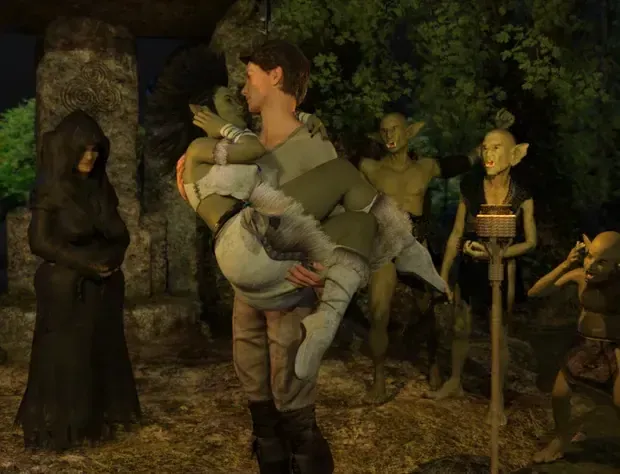



Peasant’s Quest review
In-depth look, tips, and player insights for Peasant’s Quest
Peasant’s Quest is a quirky medieval-themed adventure that blends humor, puzzle-solving, and retro design to deliver a memorable player experience. In this article I dive into the game’s core mechanics, story beats, character roster, and community-driven mods while sharing hands-on tips from my own play sessions. Whether you’re a first-time player looking for a walkthrough or a returning fan hunting secrets, this guide will help you enjoy Peasant’s Quest more and avoid common pitfalls.
Gameplay and Mechanics of Peasant’s Quest
Alright, fellow peasant, let’s roll up our sleeves and get down to the dirt-under-the-fingernails details of how this game actually works. Understanding the Peasant’s Quest mechanics is the difference between a triumphant hero and a confused soul wandering the cabbage patch forever. This isn’t your typical point-and-click; it’s a lovingly crafted, sometimes mischievous adventure that demands you think like a humble farmer thrust into epic circumstances. This chapter will give you the full lowdown on how to interact with this world, solve its brain-ticklers, and make steady progress from zero to hero. 🧑🌾⚔️
Core mechanics and controls
Let’s start with the basics: how you actually play. The Peasant’s Quest controls are beautifully simple on the surface but hide a surprising depth. You move your character with the arrow keys or WASD—no fancy mouse movement here, which really adds to that classic, tactile feel. Interaction is key: you walk up to an object or person and press the SPACEBAR to “use” or talk. Your inventory is your lifeline, accessed with the ‘I’ key, and using items is a matter of selecting them and then choosing where to apply them. The genius—and occasional frustration—of the Peasant’s Quest mechanics lies in this verb-like simplicity. You don’t have a complex list of actions; you have one “use” button, and the game’s logic decides if “using” a rubber chicken on a drawbridge mechanism makes sense (spoiler: it often does).
What truly defines the Peasant’s Quest controls is their role in the humor and puzzle-solving. The game expects you to try the absurd. It’s not just about what an item is, but what it represents in the game’s lo-fi, high-imagination world. Mastering this interaction model is your first step to victory.
Pro Tip from the Fields: Save often and in multiple slots! The game doesn’t auto-save, and some choices or failed puzzles can leave you in a tricky spot. I learned this the hard way after losing an hour of progress to a… let’s say, an unfortunate misunderstanding with a goat.
To get you started on solid ground, here’s a quick checklist of the core controls and some recommended early-game actions:
- Movement: Use the Arrow Keys or W, A, S, D to navigate the kingdom.
- Primary Interaction: Press the SPACEBAR to talk to NPCs or use objects directly in front of you.
- Inventory: Press I to open and close your inventory. Select an item with the mouse, then click where you want to use it.
- Immediate Actions:
- Pick up everything that isn’t nailed down (and some things that are, if you have the right tool).
- Talk to every character at least twice. Their second line often holds crucial hints or hilarious asides.
- Combine items in your inventory by using one on another. Early game, try combining basic finds like a stick and a rag.
- Examine your surroundings closely. Pixel-hunting is part of the charm, and many solutions are hidden in plain sight.
Progression: quests, puzzles, and rewards
The heart of your adventure is the Peasant’s Quest progression system. It’s a wonderfully interconnected web where every solved puzzle and completed quest feeds into the next. You have one overarching, noble goal (defeat the evil dragon, naturally), but the path is paved with smaller, often hilarious tasks. These can be considered main quests (essential to move the story forward) or optional side-quests that often yield the best items or just a good laugh.
The real stars of the show are the Peasant’s Quest puzzles. They range from straightforward fetch-quests to logic problems that require you to pay attention to environmental storytelling and NPC gossip. There’s very little hand-holding. A puzzle might involve deciphering a riddle from a talking horse, creating a disguise from farmyard odds and ends, or figuring out the correct (and humiliating) sequence of actions to distract a guard. The game brilliantly gates your Peasant’s Quest progression through these puzzles; acquiring a key item from one area will unlock a puzzle in another, encouraging thoughtful backtracking.
Rewards are almost never just gold coins. You’ll earn vital tools, wearable gear that sometimes has unexpected uses, and information that acts as a key to another puzzle. The game has some light replay elements, too. Certain choices in dialogue or puzzle solutions can lead to slightly different outcomes or unique lines of dialogue, making a second playthrough a treat for fans.
Here’s a quick look at some common puzzle types you’ll encounter:
| Puzzle Type | Description | Key to Solving |
|---|---|---|
| Item Combination | Creating a new tool or object by using inventory items together. | Think about physical properties and puns. If you need to reach something high, what peasant-grade items could extend your reach? |
| Environmental Interaction | Manipulating parts of the scenery in a specific order or with a specific item. | Click on everything. Look for subtle visual cues, like a slightly different colored pixel or a repeating pattern. |
| Dialogue & Riddle | Getting information from NPCs that directly hints at a solution elsewhere. | Take notes! Old-school adventure game logic applies. If a baker complains about noise, the solution likely involves something loud. |
| Sequence & Timing | Performing actions in a correct order, sometimes while avoiding a consequence. | Save before attempting. Trial and error is valid, but listen to NPC hints—they often outline the sequence. |
Tips to overcome common gameplay challenges
Now for the good stuff: practical Peasant’s Quest tips from someone who’s gotten stuck in more than a few pigsties. The number one rule is to embrace the absurd logic. This game lives in the space between classic fairy tales and Monty Python. If a solution seems silly, illogical, or downright humiliating for your peasant, you’re probably on the right track.
Resource management is simple but crucial. Your inventory space is limited, but don’t be too quick to discard “useless” items. That smelly old cheese might be the perfect distraction for a rodent blocking your path later on. If you’re truly stuck, systematic backtracking is your friend. Revisit old locations with new items; doors that were once locked may now be accessible.
Let me share a moment that perfectly captures the game’s spirit. I was once faced with a snooty castle guard who wouldn’t let me pass. I had a ladder, a pot of grease, a live trout, and a fake moustache in my bag. The obvious solution (the fake moustache) did nothing. After an hour of frustration, I accidentally used the greasy trout on the cobblestones near his feet. He slipped, knocked himself out, and I waltzed right in. The game had trained me to think of items by their function, not their label. The trout wasn’t food; it was a slippery hazard! This creative problem-solving is at the core of all Peasant’s Quest puzzles.
For new players, patience is key. Talk to everyone exhaustively, read every book and sign, and don’t be afraid to experiment. For the completionists and speed-runners, knowledge is power. Once you know the critical path, you can bee-line for key items. Community-created maps and hint sheets exist, but I recommend a blind first playthrough for the full, glorious experience of discovery. Some fan modifications can add quality-of-life features or even new mini-quests; these are best explored after your vanilla victory to keep the intended challenge intact.
To wrap up this section, here are my top five Peasant’s Quest tips for a smoother journey:
- The Rule of Threes: If you’re stuck, identify the three most incongruous items in your inventory and try them on the problem. 🧀
- Listen to the Music: Audio cues sometimes change when you’re near a hidden interactable object or have solved a puzzle step correctly.
- Save Before Shenanigans: Before trying a risky action (like greasing a floor or insulting a noble), make a new save file. It’s your best friend.
- Pixel-Perfect Patience: Some clickable areas are tiny. Move your character to different angles and press spacebar methodically.
- Walkthrough Wisdom: There’s no shame in seeking a Peasant’s Quest walkthrough for a single, stubborn puzzle. The goal is to enjoy the story and humor, not to rage-quit at a single pixel.
Mastering these Peasant’s Quest mechanics and internalizing these Peasant’s Quest tips will transform your playthrough. You’ll stop fighting the game’s unique logic and start laughing with it, which is when Peasant’s Quest truly shines. Now, go forth and prod that suspicious-looking shrub with confidence! Your quest awaits.
Peasant’s Quest offers a compact, humor-driven adventure that rewards curiosity, careful observation, and a willingness to experiment. This guide covered core mechanics, story elements, key walkthrough highlights, community mods, and practical tips to help both newcomers and returning players get more out of the game. Try the suggested first-hour checklist, back up your saves before experimenting with mods, and revisit the world with a challenge run to unlock more of what the game hides. If you enjoyed this guide, share your own discoveries with the community and consider leaving feedback or a short review to help other players.