Summer with Mia
Play Summer with Mia
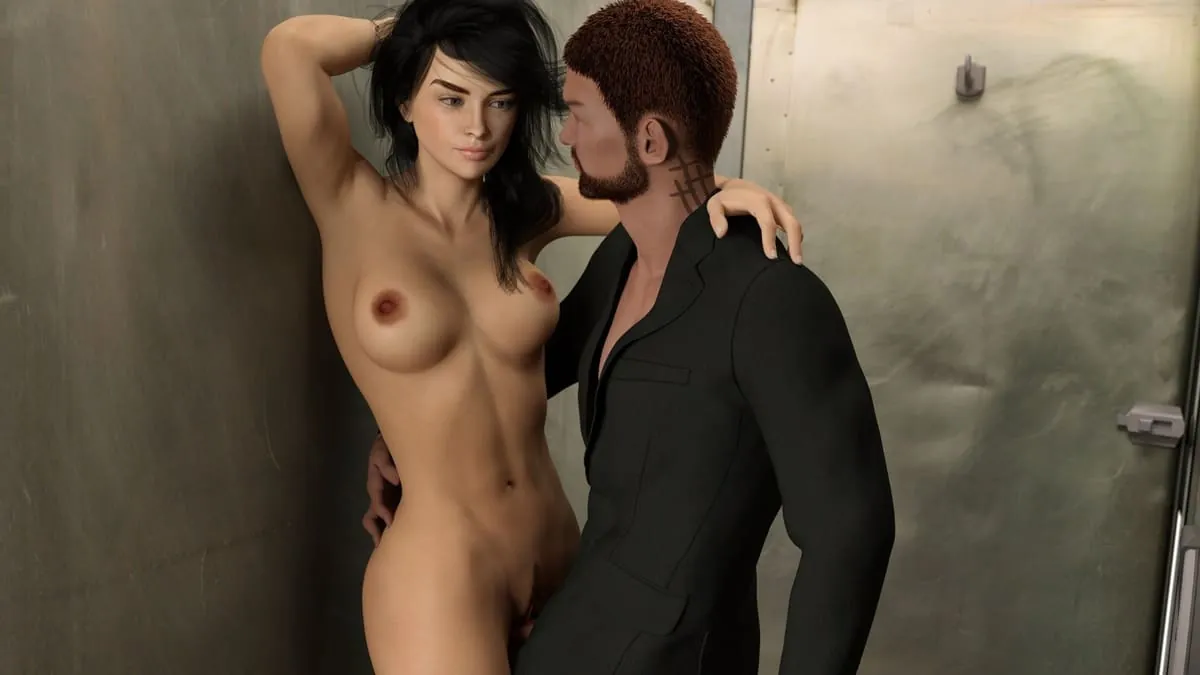
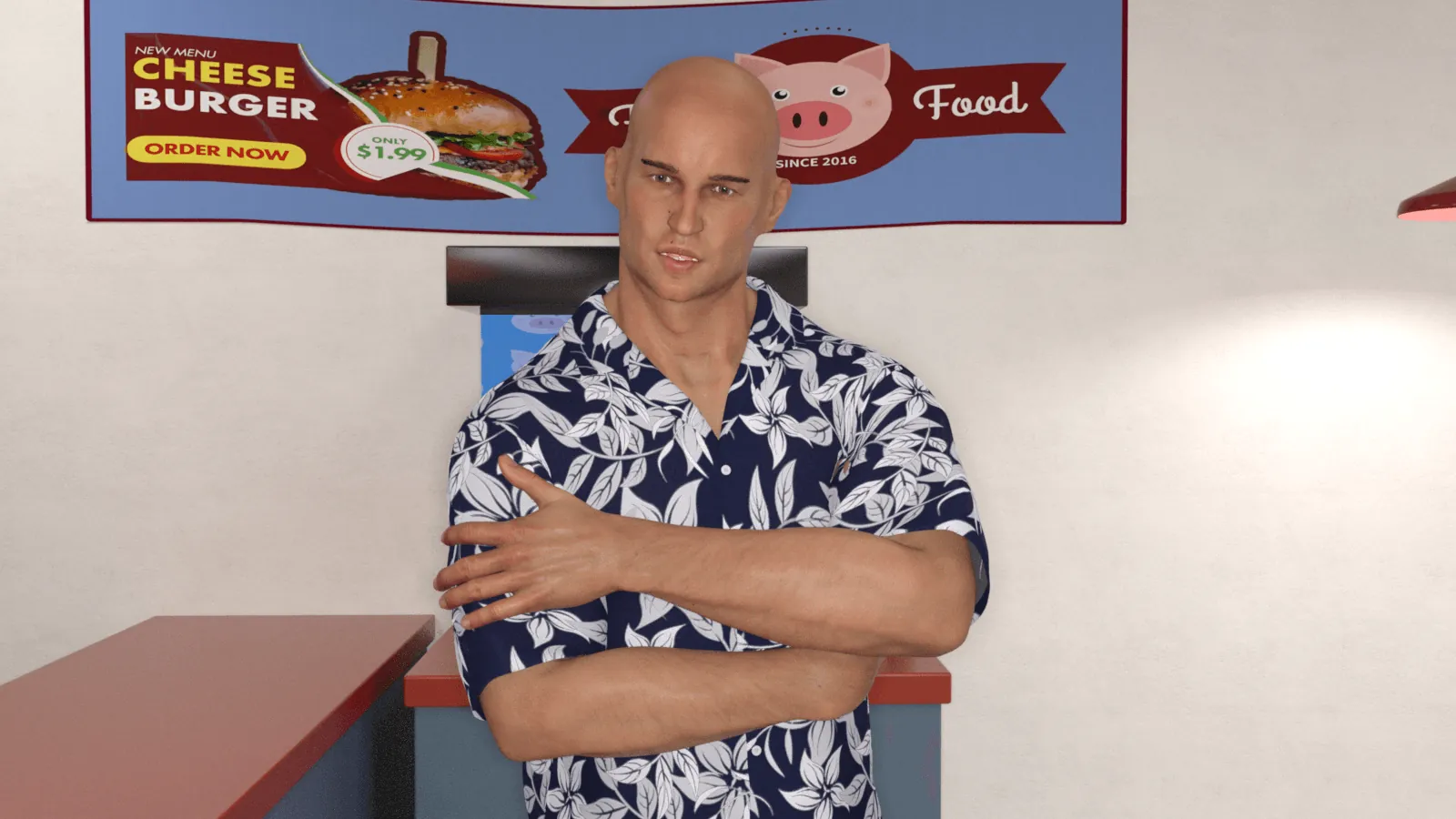
Summer with Mia Screenshots



Summer with Mia review
Dive into the steamy adventure and master every moment
Imagine wrapping up a tough school year, only to have your world turned upside down by a late-night encounter with the captivating Mia. That’s the hook of Summer with Mia, the gripping visual novel that’s got players hooked on its blend of time management, relationship dynamics, and intense personal challenges. As a college student juggling studies and unexpected temptations, you’ll navigate a summer filled with choices that shape your path. I’ve spent hours lost in this game, and let me tell you, it’s more than just visuals—it’s a thrilling ride of strategy and emotion. Whether you’re new or replaying for different outcomes, this guide uncovers everything to elevate your Summer with Mia experience.
What Makes Summer with Mia Season 1 Unmissable?
Ever found yourself scrolling through game stores, looking for something with a bit more… spice than your average adventure? 😏 Something that blends a compelling story with mature themes and genuine player agency? If that sounds like your kind of summer, then buckle up. You’re about to discover exactly what is Summer with Mia game all about, and why its first season is an absolute must-play. My first playthrough had me glued to the screen for hours, completely blindsided by its narrative twists and the depth of its relationships. It’s more than just a visual novel; it’s a steamy, strategic, and surprisingly emotional journey.
Crafted by Summer with Mia developer Inceton Games and released in 2021, this title has carved out a passionate fanbase. It masterfully mixes adventure, visual novel storytelling, and light RPG elements into a package that’s as addictive as it is provocative. Whether you play on GOG, Steam, or direct from the developer, Summer with Mia Season 1 sets the stage for a summer you won’t forget.
Unpacking the Core Storyline and Setup
So, what’s the hook? 🎣 You step into the shoes of an 18-year-old protagonist (sometimes noted as a 20-year-old college student in earlier info) who’s just finished the school year. The family home is your stage, and your core dynamic is with your sister, Mia. The Summer with Mia storyline kicks off with a genius premise: your parents are leaving for an extended trip to France, leaving you and Mia home alone for the summer. Freedom, right? Well, it starts with a bang—or rather, a stumble.
The game opens with Mia coming home late, visibly intoxicated, claiming she was “studying.” This initial encounter is pivotal. It immediately establishes her character—flirtatious, a bit reckless, and hiding layers beneath a confident exterior—and sets the tone for a summer where boundaries are tested. This isn’t a passive story; your choices from this very first interaction begin to shape your relationship, steering it toward romance, conflict, or something in between.
The genius of the Summer with Mia Mia character development is how she feels real. She’s not a one-dimensional trope. Her personality unfolds based on your actions, revealing vulnerability, ambition, and complexity. The Summer with Mia storyline weaves through daily life—managing your time between studying, working out, part-time jobs, and, of course, navigating the increasingly charged atmosphere with Mia. Miss a study session, and you might see your grades slip, affecting potential endings. This time management adds real, palpable tension. It makes the world feel alive and your decisions consequential.
Why the Customizable Relationships Change Everything
Here’s where Summer with Mia Season 1 demonstrates some brilliant adaptability. 🛠️ Originally, the game centered on a family dynamic. However, to ensure wider distribution and avoid platform restrictions, Inceton Games introduced a game-changing feature: customizable relationships Summer with Mia.
This isn’t just a superficial name swap. It’s a foundational mechanic that lets you redefine the core connections in the game. Through a simple menu, you can re-label “Mother” and “Father” to “Aunt” and “Uncle,” or “Sister” to “Cousin” or “Childhood Friend.” This clever adjustment allows the original, intended story and tension to remain perfectly intact while giving players control over the narrative framework. It’s a win-win that respects both creative vision and platform guidelines.
Pro Tip: Customize these labels before you start your first serious playthrough. It prevents any awkwardness and lets you fully immerse yourself in the story you want to experience.
This system of customizable relationships Summer with Mia fundamentally empowers you. It acknowledges that players have different preferences and allows everyone to engage with the rich, dramatic, and romantic Summer with Mia storyline on their own terms. Whether you see Mia as a stepsister, a cousin, or a long-time friend, the emotional core and intricate plot beats—including the famous Summer with Mia NTR elements that can surprise you—remain powerfully effective. Speaking of which, those narrative twists had my jaw on the floor during my first run. The game isn’t afraid to explore complex, sometimes challenging romantic entanglements that will keep you on the edge of your seat.
Essential Features for Immersive Play
Beyond the gripping story and flexible relationships, Summer with Mia Season 1 is packed with features designed to pull you into its world. Let’s break down what makes the gameplay loop so compelling.
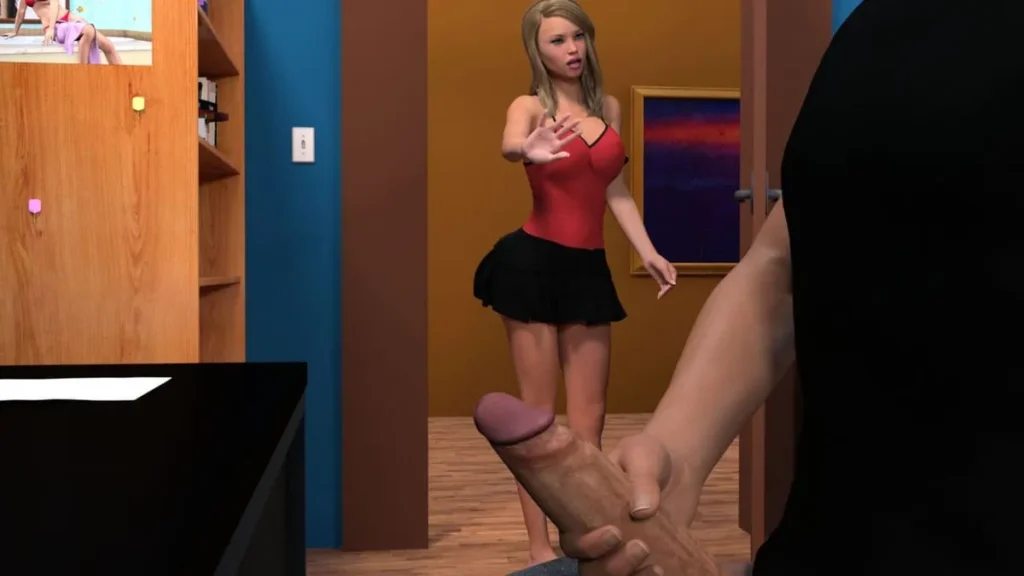
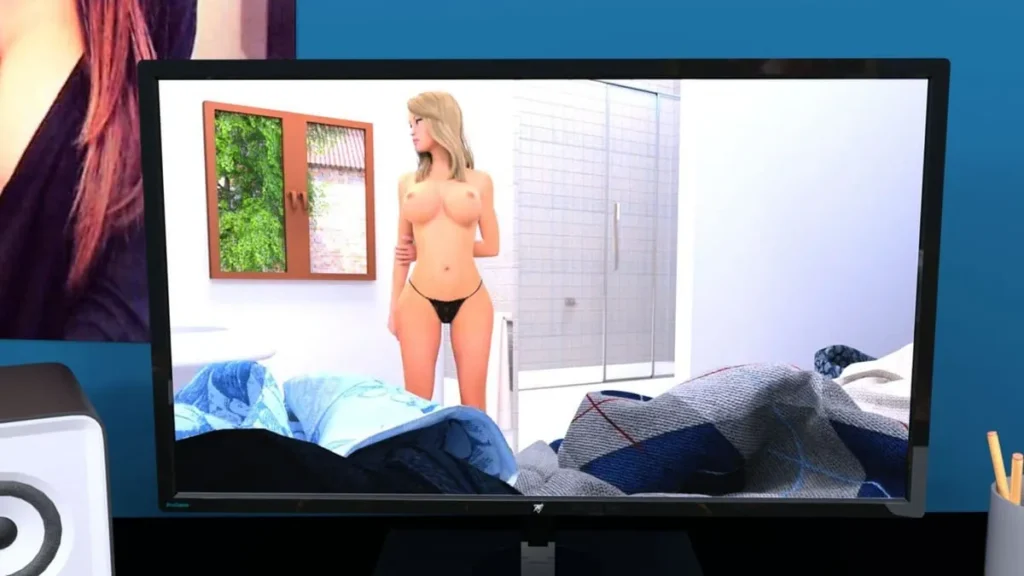
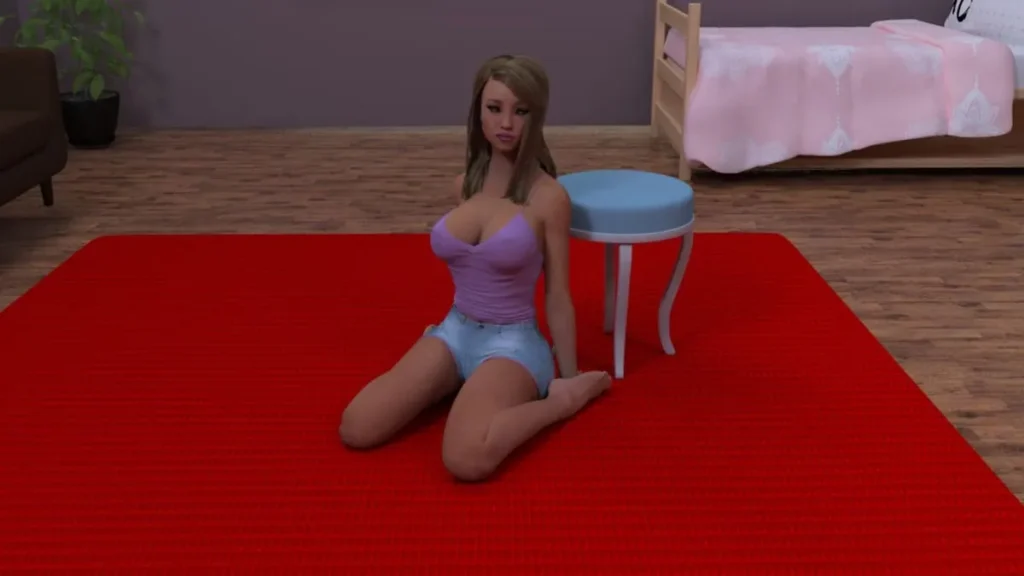
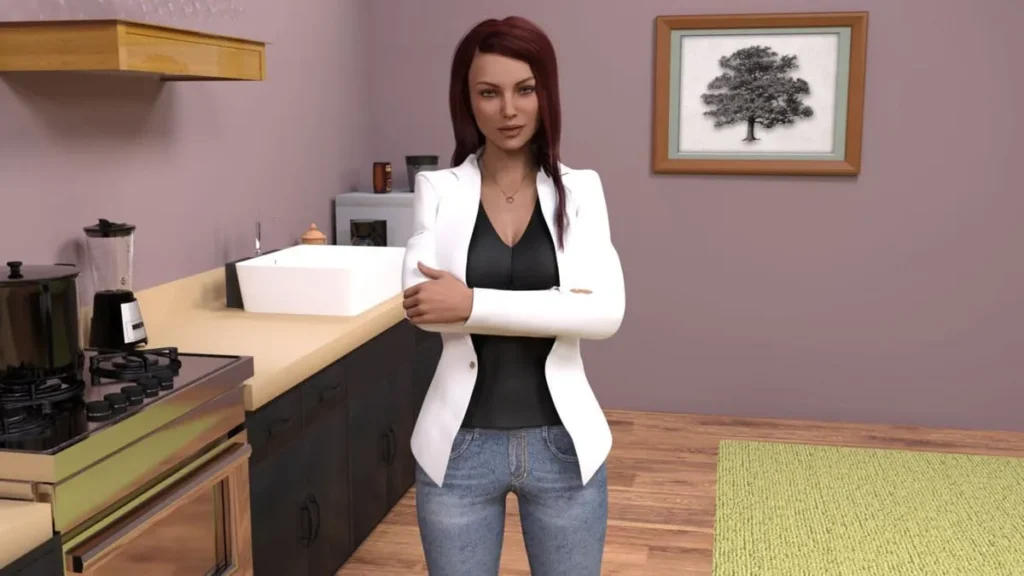
First, the presentation has evolved beautifully. While early versions had a more basic look, the current game boasts detailed character models, expressive animations, and environments that feel lived-in. The adult content is woven into the narrative, making intimate moments feel earned rather than gratuitous. A thoughtful inclusion is the panic button—a quick keypress that instantly swaps the game screen for an innocuous one, a must-have for discretion.
The gameplay itself is a satisfying blend of choice and strategy. You’re not just clicking through dialogue. You’re:
* Managing your stats: Balance Study, Relationship, and Body meters. Ignoring your studies can lock you out of endings, while neglecting the Summer with Mia Mia character bond will alter her path.
* Making meaningful choices: Dialogues and actions have short and long-term impacts, leading to multiple endings and scene variations.
* Exploring a living schedule: Each day offers opportunities and consequences, creating a truly personalized summer.
It’s often compared to games like Lust Theory or My Sister Mia, but Summer with Mia stands out with its particularly strong focus on relationship-building and time-management tension.
To get the most out of your adventure, here’s my actionable advice:
1. Plan Your Days: Don’t just chase one stat. A balanced approach in the early game opens more doors later.
2. Save Often: This is a game of choices and consequences. Use multiple save slots to explore different branches.
3. Pay Attention to Mood: Characters have moods and states. Is Mia stressed after work? Happy after a gift? Your approach should change accordingly.
4. Explore: Click on everything in your house and around town. You’ll find hidden interactions and opportunities that advance subplots.
To help you get started, here are the key technical specs and features:
| Feature | Details |
|---|---|
| Platforms | Windows PC (via GOG, Steam, or itch.io) |
| Approximate Size | 10-50GB (varies by version and updates) |
| Minimum RAM | 8GB |
| Core Genre | Adult Adventure / Visual Novel with RPG Elements |
| Key Feature | Customizable Relationship Labels |
| Special Feature | Discreet Panic Button |
Ultimately, Summer with Mia Season 1 is unmissable because it respects your intelligence as a player. It offers a tantalizing mix of strategic gameplay, deep character development, and a storyline that isn’t afraid to take risks. The customizable relationships Summer with Mia feature ensures you can enjoy this intricate drama in a way that suits you best. From the first drunken night to the last day of summer, every moment is shaped by your hand. So, dive in, master your time, and see where your choices lead. Just be prepared for a few shocking twists along the way! 🔥
FAQ: Your Summer with Mia Questions Answered
-
Is Summer with Mia free to play?
The game is a premium title. You can purchase it on platforms like GOG and Steam, or support the Summer with Mia developer directly via Patreon for early access to new episodes and builds. -
How do I customize the family labels?
Look for the “Labels” or “Customize” option in the game’s main menu or settings before or during your playthrough. It allows you to change relationship titles like “Sister” to “Cousin” instantly. -
How long is the game?
Summer with Mia Season 1 offers substantial content. A single playthrough can take 8-15 hours, but with multiple endings, branching paths, and hidden scenes, achieving 100% completion requires significantly more time and replayability. -
What are the main differences between Summer with Mia and Lust Theory?
While both are adult time-management VNs, Summer with Mia typically features a more grounded, single-household setting with a stronger initial focus on one primary relationship (Mia). Lust Theory often involves broader sci-fi elements and a larger core cast from the outset. Both are excellent, but offer different narrative flavors. -
Does the game only focus on Mia?
While the Summer with Mia Mia character is the central figure, Season 1 introduces other female characters with their own story arcs and relationship paths, adding depth and variety to your summer adventures.
Summer with Mia Season 1 pulls you into a world of high-stakes choices, from late-night study sessions to building unbreakable bonds with Mia and beyond. I’ve replayed it multiple times, each path revealing new layers of excitement and strategy—proving it’s a standout in visual novels. Whether you’re mastering time management or exploring those customizable twists, the game delivers thrills that linger. Ready to dive in? Grab it on GOG or Steam, tweak those settings your way, and let this summer adventure unfold. Your next favorite playthrough awaits—what ending will you chase first?