Tainted Heritage – a.k.a Weird Shit Is Going to Happen
Play Tainted Heritage – a.k.a Weird Shit Is Going to Happen
Tainted Heritage – a.k.a Weird Shit Is Going to Happen Screenshots
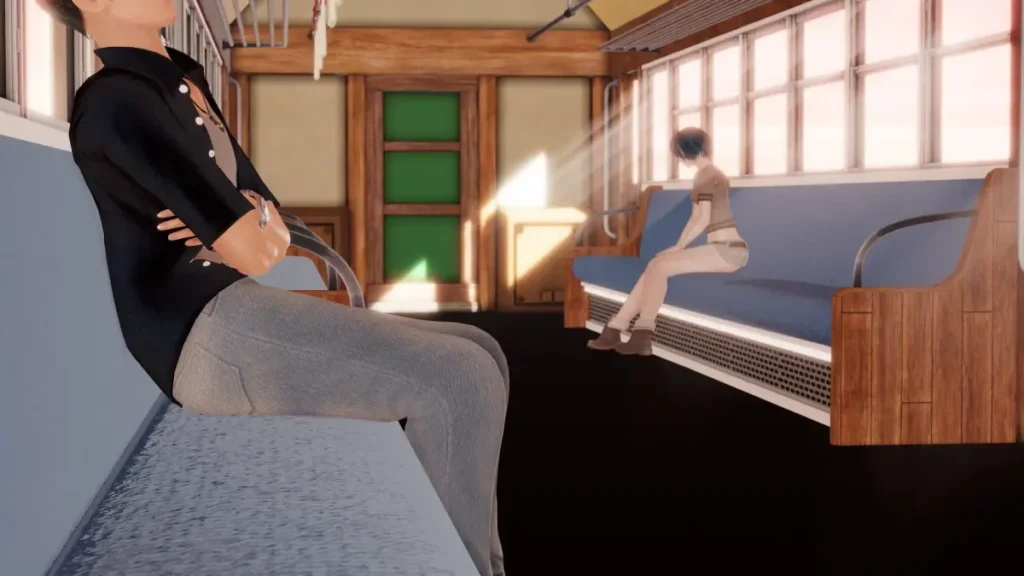
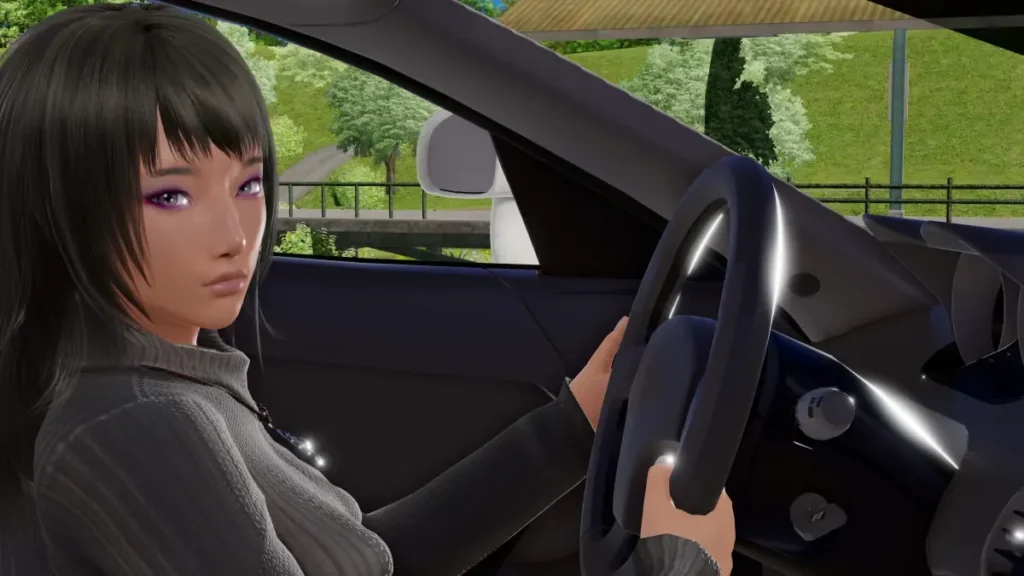
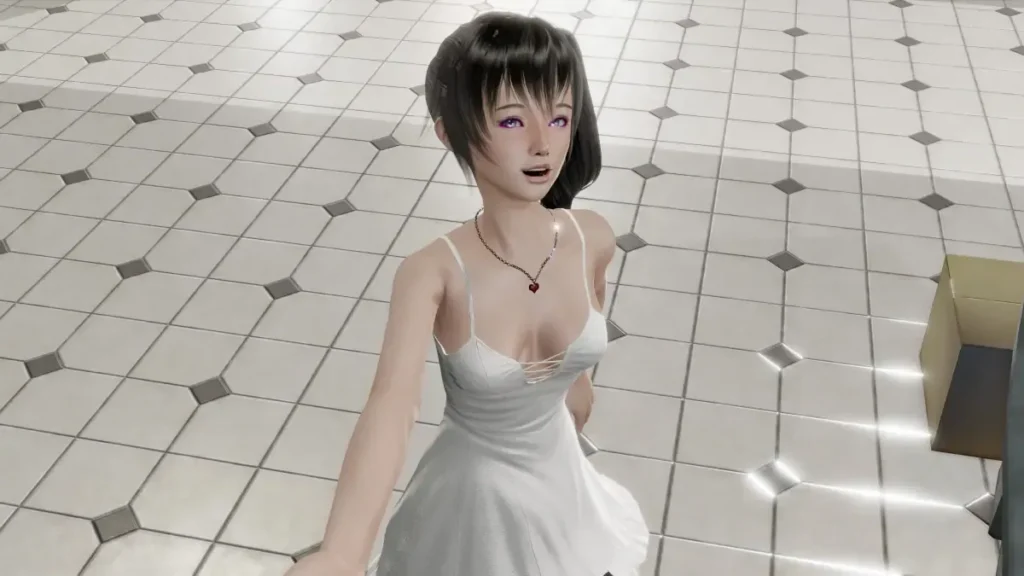
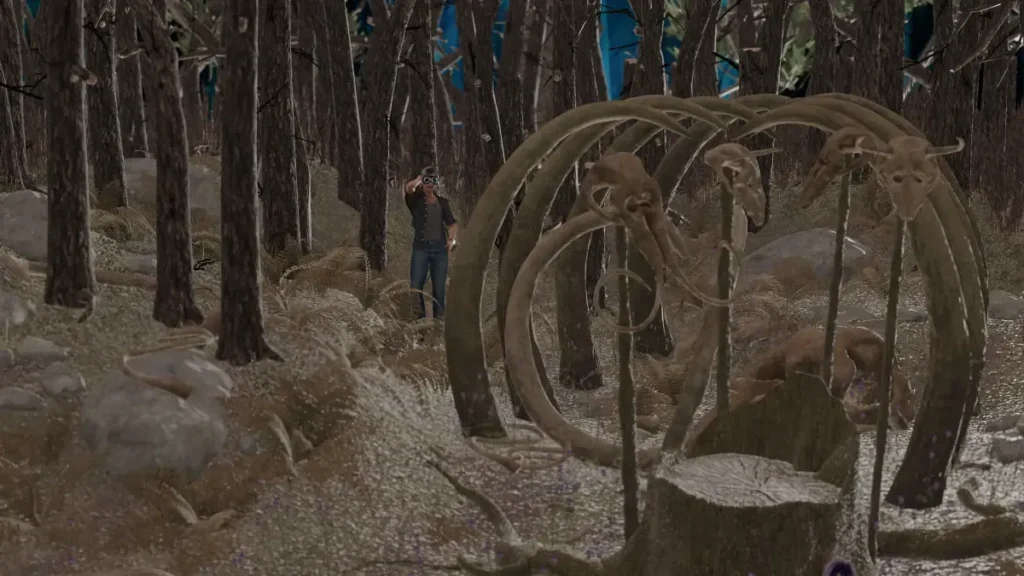
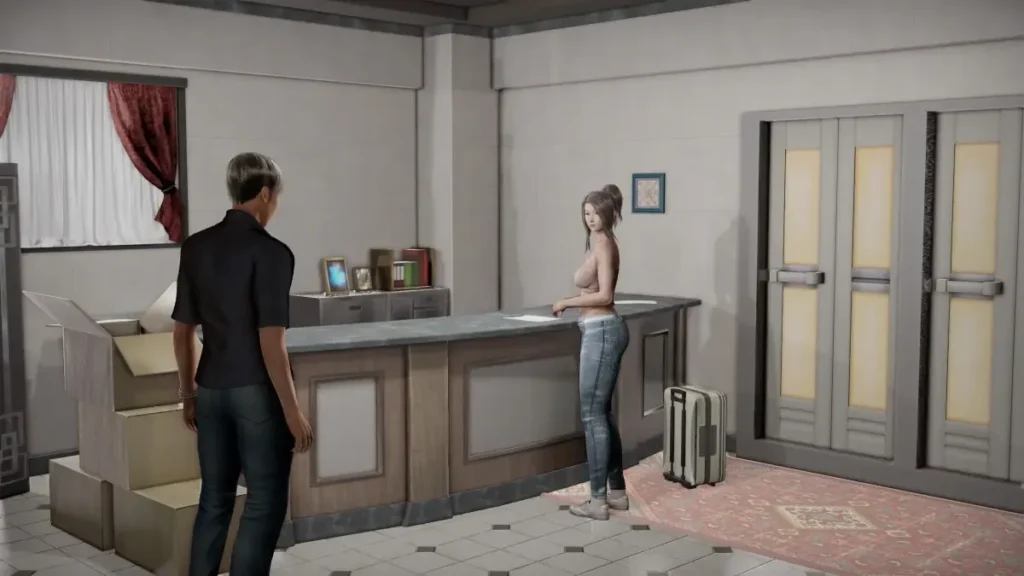
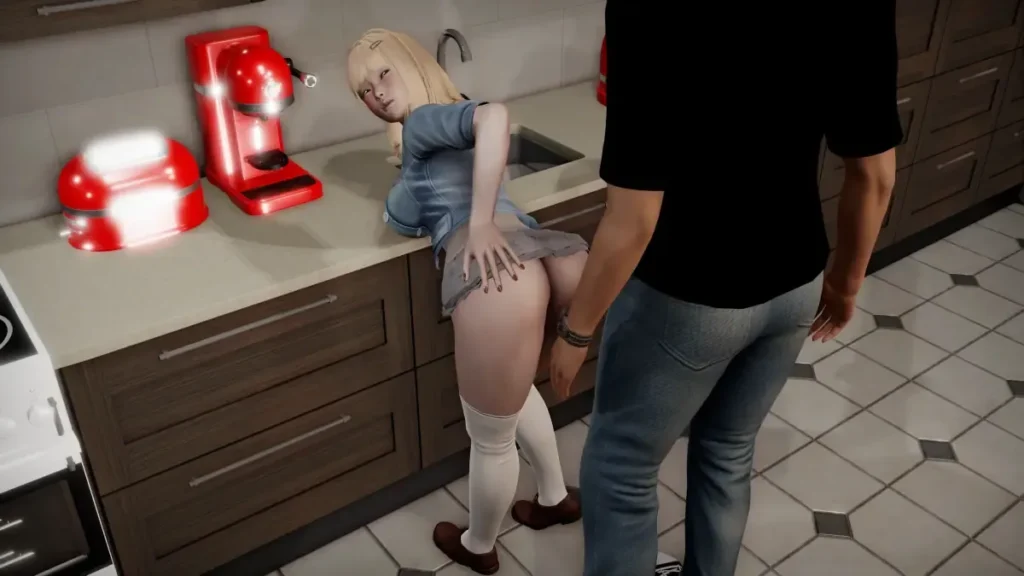
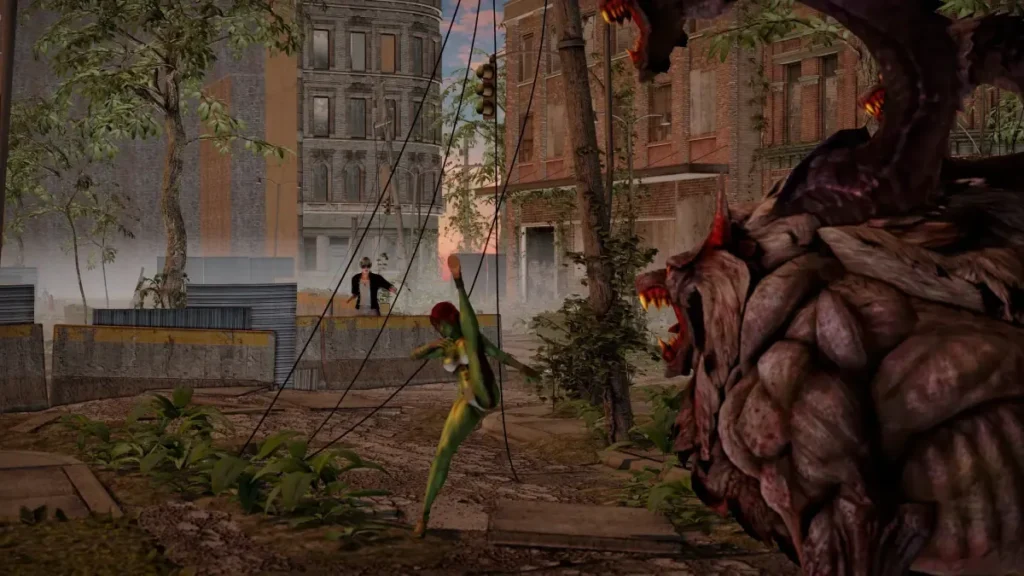
Tainted Heritage – a.k.a Weird Shit Is Going to Happen review
Explore the unconventional narrative design and choice-driven storytelling of this indie visual novel
Tainted Heritage stands out in the visual novel landscape as an experimental narrative experience that challenges conventional storytelling expectations. This indie title, subtitled ‘Weird Shit Is Going to Happen,’ combines choice-based gameplay with complex character dynamics and unexpected plot twists. The game follows a protagonist navigating tragedy, mystery, and strange supernatural events after receiving a mysterious letter from an estranged grandmother. With its emphasis on player agency and branching narratives, Tainted Heritage offers a uniquely personal gaming experience where your decisions fundamentally reshape how the story unfolds and what it means to you.
Understanding Tainted Heritage’s Unique Narrative Structure
Let’s be honest, most visual novels have a secret they don’t want you to figure out too quickly. You’re often just a passenger on a train, and while you might get to choose which scenic route it takes, it’s still running on a fixed track to one of a handful of stations. You make a “big” choice, the story branches for a bit, and then it usually converges back to the main plot. It can be fun, but after a while, you start to see the seams.
Tainted Heritage – a.k.a Weird Shit Is Going to Happen throws that entire train schedule out the window. Its entire philosophy is built on a simple, radical idea: what if your choices didn’t just change the story, but changed what the story means? This isn’t about picking dialogue options to unlock Ending A, B, or C. This is about your decisions fundamentally altering the narrative’s DNA, its genre, and your role within it. The Tainted Heritage visual novel narrative is a masterclass in experimental, player-driven storytelling that feels less like reading a book and more like co-authoring a deeply personal, and often unsettling, novel in real-time.
What Makes the Story Different from Traditional Visual Novels
So, how does it actually break the mold? Most traditional visual novels operate on a branching story paths gameplay model. Think of a tree: you start at the trunk, make choices that send you down specific branches, and eventually land on a leaf (an ending). Tainted Heritage operates more like a spider web or a neural network. Your choices are less about taking a path and more about activating certain narrative nodes and deactivating others, creating a web of cause, effect, and, most importantly, context.
The game discards the concept of “canon” or a “true route.” Instead, it presents you with a core set of events—a mysterious inheritance, a secluded family manor, strange occurrences. These events are fixed. How you perceive them, interact with them, and ultimately explain them is not. The game’s unconventional game narratives are built on this principle of player agency visual novel design. The world and its characters react to your cumulative personality, as expressed through your choices.
Personal Anecdote: In my first playthrough, I was suspicious and analytical. I treated every strange noise in the manor as a potential threat, trusted no one, and dug into old financial records. The game reflected this back at me: characters became guarded, clues pointed towards corporate espionage and a cover-up. I was playing a conspiracy thriller. My friend, playing the same core story, approached it with empathy and a focus on the family’s emotional history. Her game reflected that back: characters confided in her, clues hinted at lingering spirits and tragic pasts. She was playing a gothic ghost story. We experienced the “same” game in name only.
This is the genius of its design. The game doesn’t have a predefined genre; it morphs to match your interpretive lens. The indie visual novel experience it offers is one of pure discovery, not destination-checking.
How Choice-Based Storytelling Creates Personal Narratives
The engine behind this miracle is a deceptively complex choice-based storytelling games system. But from your seat, it feels intuitive and organic. You’re not presented with obvious, signposted “MORAL CHOICE” buttons. Instead, you make decisions through:
* Dialogue tone (sarcastic, earnest, confrontational, withdrawn).
* Investigative focus (do you examine the strange portrait, the dusty ledgers, or the child’s forgotten toy?).
* Relationship management (who do you align with, who do you challenge, who do you comfort?).
These aren’t isolated events. They are seeds. The game features what I can only describe as a consequence timeline game mechanics system. A seemingly minor choice in Chapter 2—like how you console a grieving relative—might not pay off until Chapter 6, when that relative either provides you with a crucial heirloom out of trust or actively blocks your progress out of resentment. The story has a memory, and it’s plotting your decisions on a timeline that you only fully comprehend in retrospect.
This creates a narrative that feels uniquely yours. There’s no guidebook that says “to get the good ending, do X, Y, and Z.” Because what is “good”? Is exposing a painful, worldly truth “good”? Is preserving a comforting, supernatural lie “good”? The game makes you define that for yourself, and then lives with the definition you crafted.
Let’s look at how the same core events can unravel into entirely different tales based on player choice:
| Core Event: The Heir’s Sudden Illness | Player’s Interpretive Choices | Resulting Narrative Thread |
|---|---|---|
| The young heir to the estate falls violently ill after a family dinner. | Focus on political rivalries, financial documents, and food sources. Choose dialogue that accuses and probes for motive. | Political Conspiracy Route: The illness is revealed as poisoning, part of a complex plot to control the family’s assets. The story becomes a whodunit thriller about greed and power. |
| The young heir to the estate falls violently ill after a family dinner. | Focus on family history, local folklore, and strange artifacts in the sickroom. Choose dialogue that seeks spiritual or historical explanations. | Supernatural Mystery Route: The illness is a curse or spiritual possession, tied to a broken family pact. The story becomes a chilling gothic tale about past sins haunting the present. |
| The young heir to the estate falls violently ill after a family dinner. | Focus on the heir’s personal struggles, family dynamics, and psychological pressure. Choose dialogue that offers therapy and emotional support. | Personal Redemption Route: The illness is a psychosomatic manifestation of deep-seated trauma and guilt. The story becomes a poignant drama about healing, forgiveness, and breaking cycles of pain. |
The Role of Unexpected Twists and Recontextualization
If Tainted Heritage only let you shape the genre, it would be impressive. But it goes a crucial step further to create its most memorable—and often mind-bending—moments: recontextualization. The game is a master of the “oh… OH!” revelation. It doesn’t just introduce new plot twists; it introduces new information that forces you to re-evaluate everything you thought you knew.
Here’s how it works: you spend several chapters building a theory. You’ve gathered clues, formed alliances, and decided that, say, Uncle Henry is clearly the villain trying to seize the estate through shady means. You feel confident. You’re a detective who has solved the case! Then, in a later chapter, you discover a piece of evidence—a decades-old letter, a hidden confession—that doesn’t just add to the story. It shines a new light on all your previous evidence.
Suddenly, Uncle Henry’s “shady” actions look like desperate attempts to protect the family from a far older, darker secret. The character you thought was a victim might have been manipulating you. A kind gesture from early in the game is revealed to have been a calculated move. Your entire understanding of the story’s morality, motivation, and history flips on its head.
This isn’t a “gotcha” moment. It’s the game honoring your player agency visual novel journey. The twist is only powerful because of the specific narrative you built. The recontextualization is personalized. The game isn’t saying “you were wrong.” It’s saying, “Here is a new piece of the puzzle you assembled. Now look at the whole picture again.”
This is supported by brilliant environmental storytelling. The manor itself is a character that reacts to your narrative. 🏚️ Choose a path steeped in the supernatural, and you might start noticing more eerie background details, shadows moving at the edge of the screen, or portraits whose eyes seem to follow you. Pursue the political route, and the environment might highlight hidden compartments, overheard conversations, or misplaced documents. The world is in dialogue with your choices, constantly reinforcing and reflecting the unique story you are creating.
This approach makes the Tainted Heritage visual novel narrative profoundly engaging because your interpretation becomes the core gameplay. You’re not just waiting for the story to unfold; you are actively building, testing, and revising your theory of the case (or the curse, or the conspiracy) with every decision. When that recontextualization hits, it’s a payoff that no predetermined, branching narrative could ever deliver with the same force. It’s a revelation you authored for yourself.
FAQ: Your Questions About Tainted Heritage‘s Story
How do my choices actually affect the story? Do they just change dialogue?
Far more than dialogue! Your choices build a hidden profile of your protagonist’s worldview. This profile determines which plot threads become available, how characters behave toward you, what clues you can find, and ultimately, the narrative lens through which core events are interpreted. It’s a systemic, holistic effect, not a cosmetic one.
Are there “good” and “bad” endings?
The game challenges that binary. There are endings that are tragic, bittersweet, hopeful, ambiguous, or shocking. Whether an ending is “good” depends entirely on the narrative meaning you’ve invested in the journey. An ending that feels like a devastating failure in one playthrough might feel like a necessary, poignant sacrifice in another. The value is assigned by you, the player.
How does the “consequence timeline” work? Can you give an example?
Think of it as a delayed reaction system. An early choice (e.g., siding with Character A over Character B in a dispute) is logged. Chapters later, during a crisis, the game checks that log. Because you sided with A, they are now in a position of trust and can offer you a unique solution. Because you alienated B, they are not present to offer their (different) solution, and a door to a certain subplot is now closed. The consequences aren’t immediate; they mature and manifest later, creating a believable cause-and-effect chain across the entire story.
Ultimately, Tainted Heritage – a.k.a Weird Shit Is Going to Happen is more than a game; it’s an experiment in collaborative meaning-making. It proves that the highest form of player agency isn’t just choosing what happens next, but deciding what it all means. By embracing unconventional game narratives and a fearless choice-based storytelling philosophy, it delivers an indie visual novel experience that stays with you long after the credits roll—partly because you were so deeply involved in writing them. It’s a challenging, rewarding, and brilliantly crafted reminder that the most powerful stories are not the ones we are told, but the ones we help uncover and define for ourselves.
Tainted Heritage represents a bold approach to visual novel design that prioritizes player agency, emotional storytelling, and narrative innovation. By combining unconventional storytelling mechanics with complex character relationships and consequence-driven gameplay, the game creates deeply personal experiences where your interpretation and choices fundamentally shape the narrative. Whether you’re drawn to experimental indie titles, meaningful character interactions, or stories that challenge conventional expectations, Tainted Heritage offers a compelling journey through mystery, emotion, and unexpected twists. If you appreciate games that celebrate creative storytelling and embrace the weird, this title deserves a place on your gaming list. Explore the game’s full potential by checking the tags and genre information, then embark on your unique adventure where weird shit truly does happen.