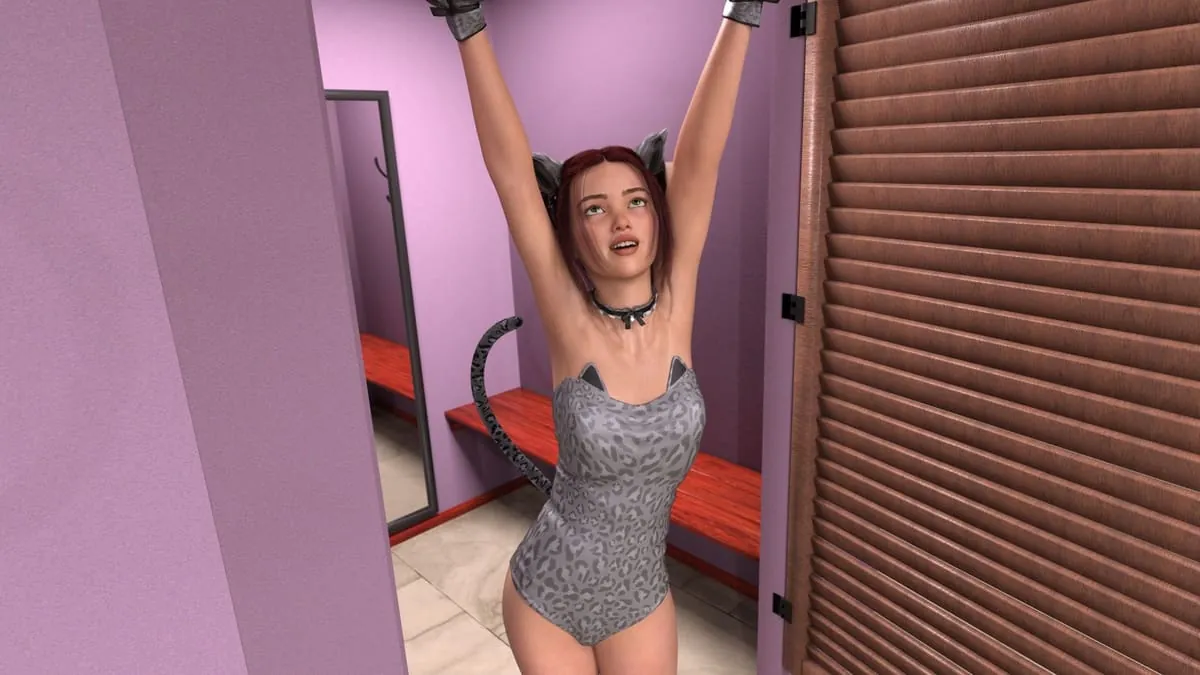
The Theater of Sinners
Play The Theater of Sinners
The Theater of Sinners Screenshots
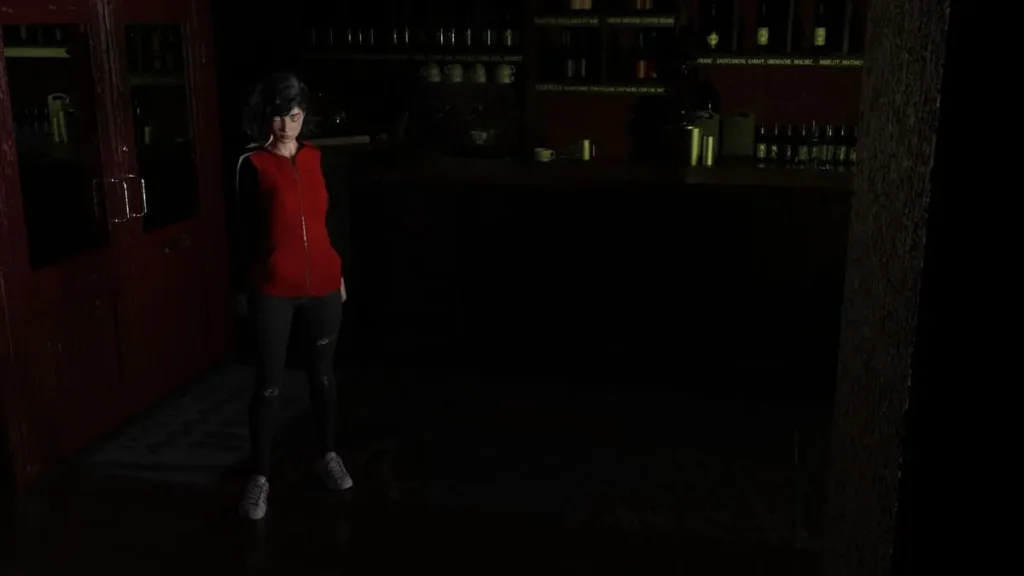
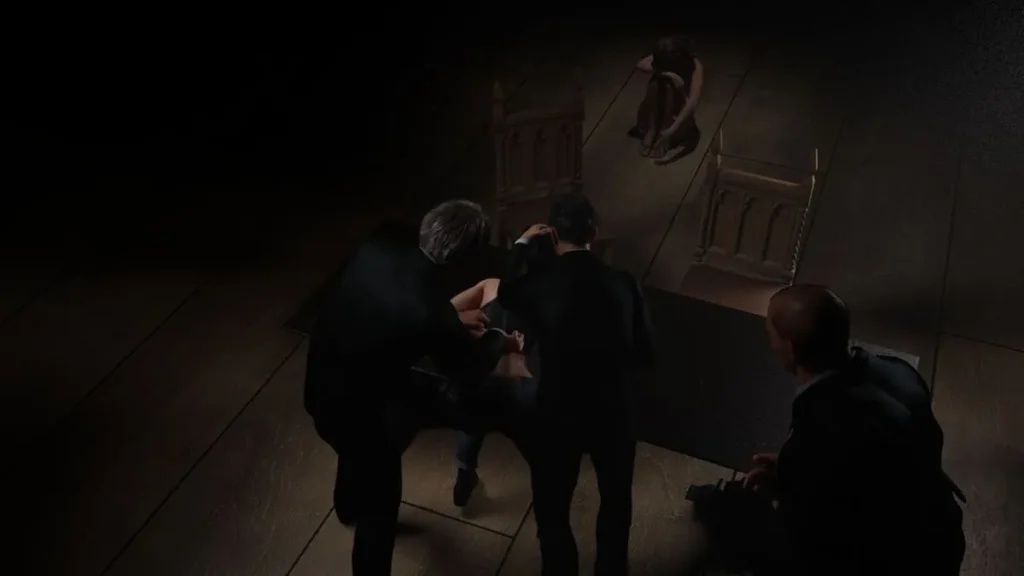
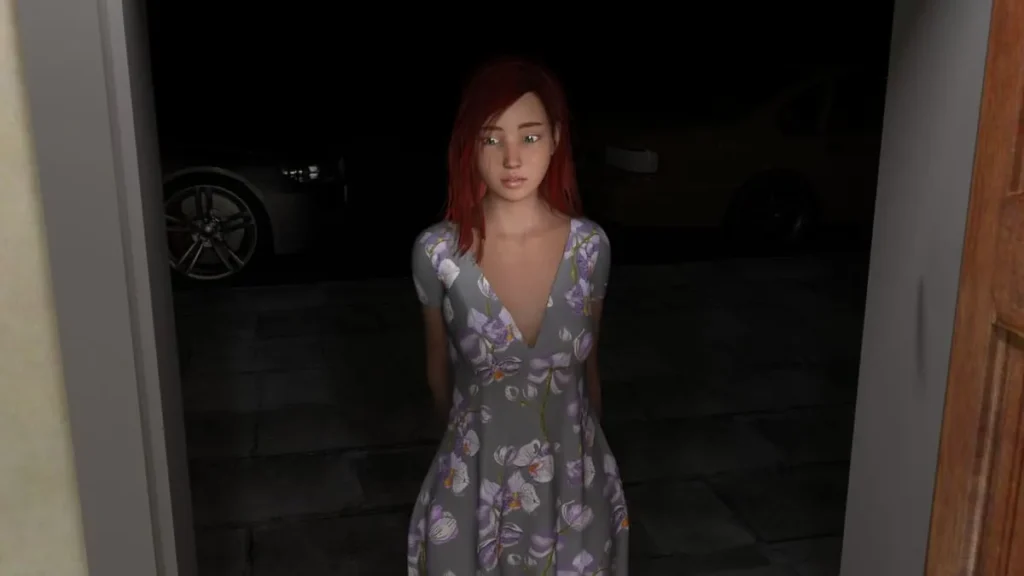
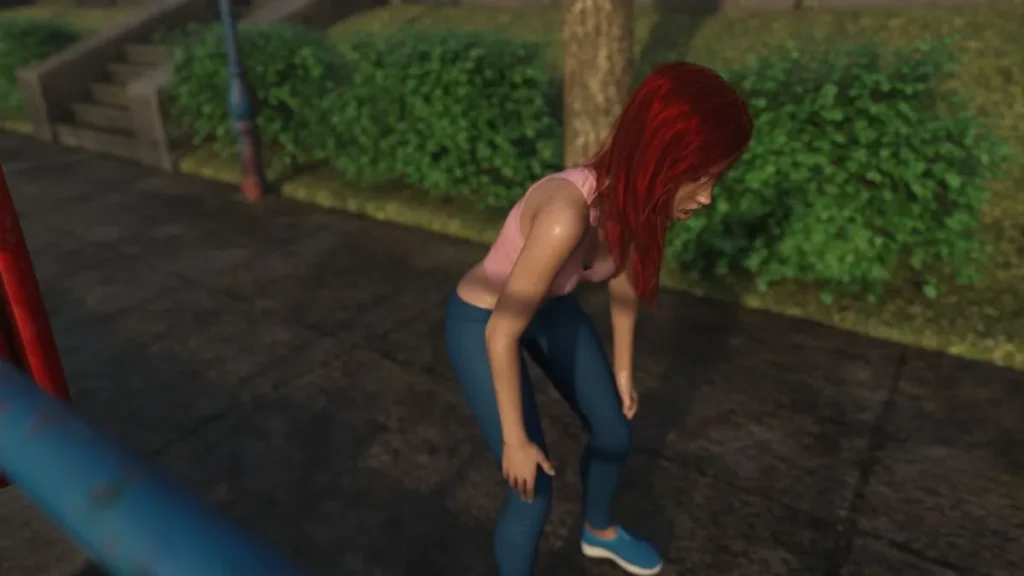
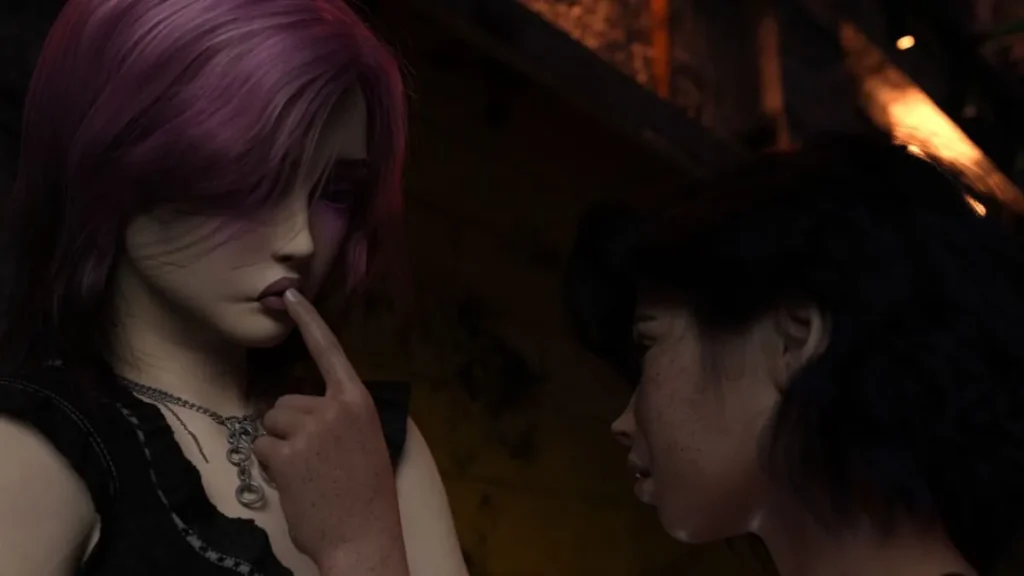
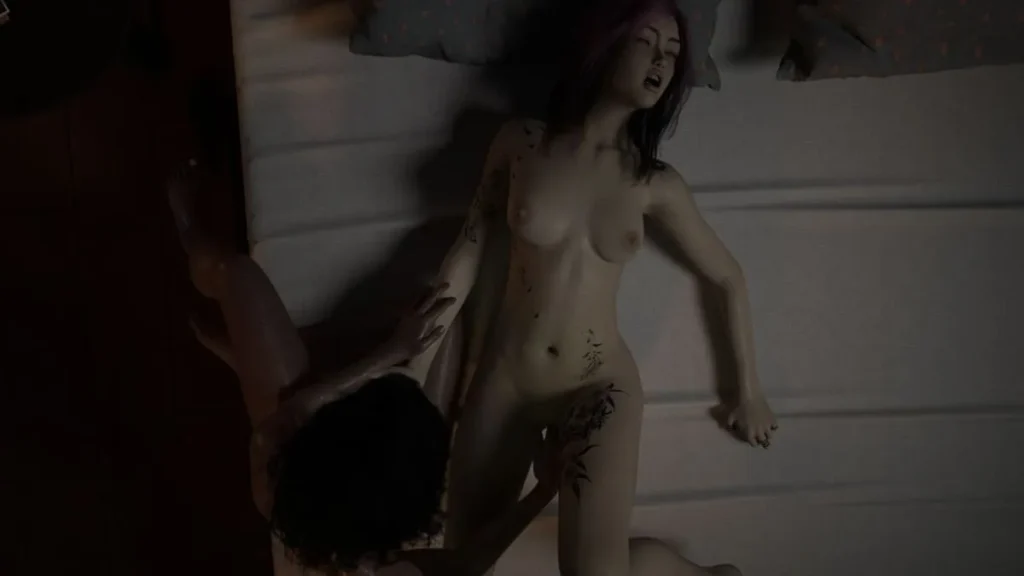
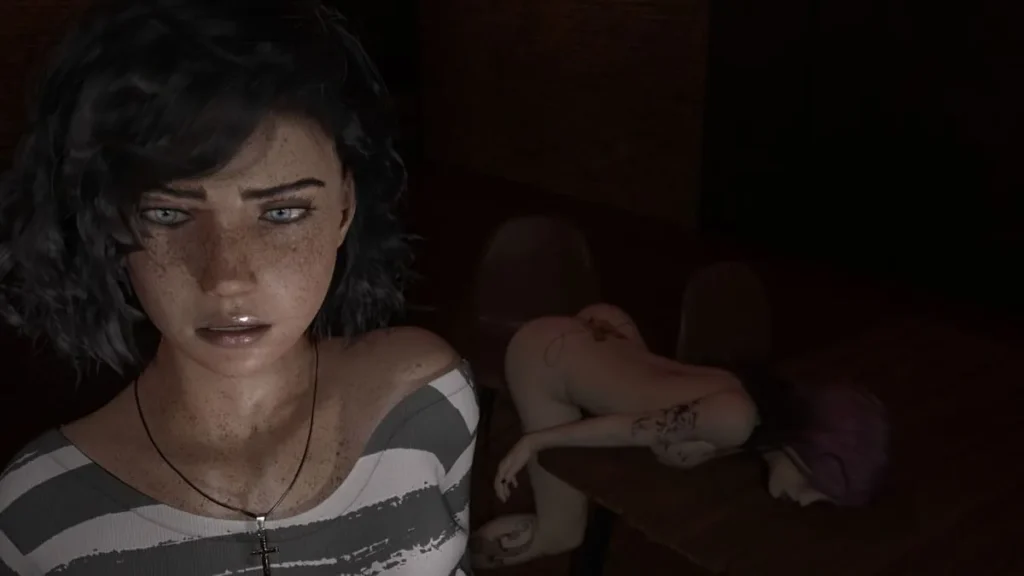

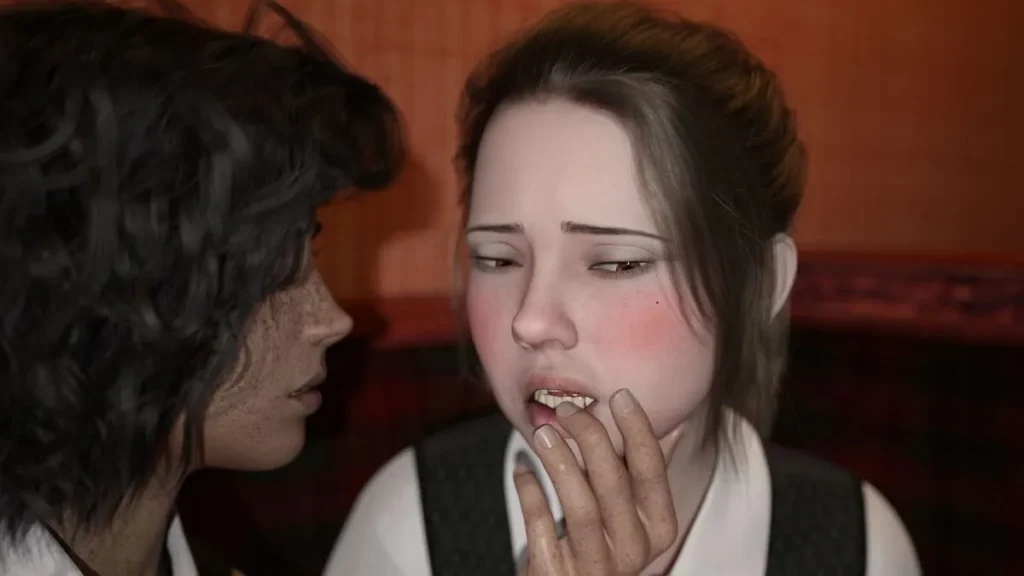
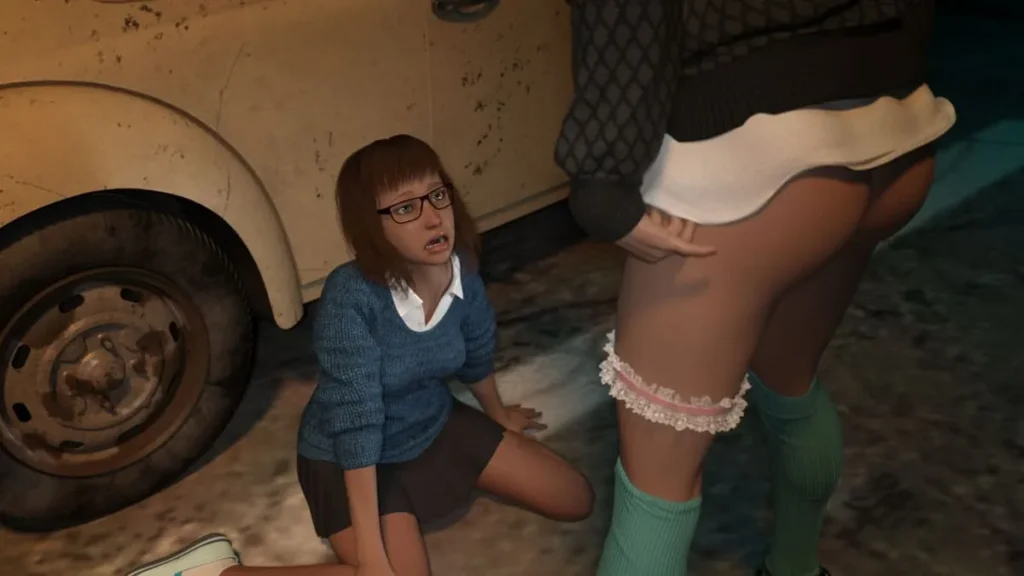
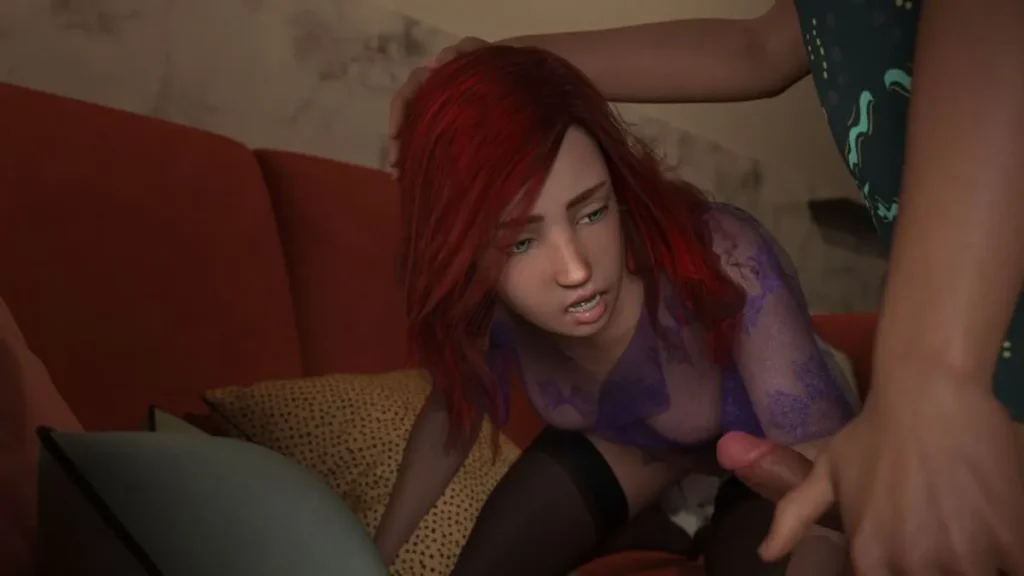
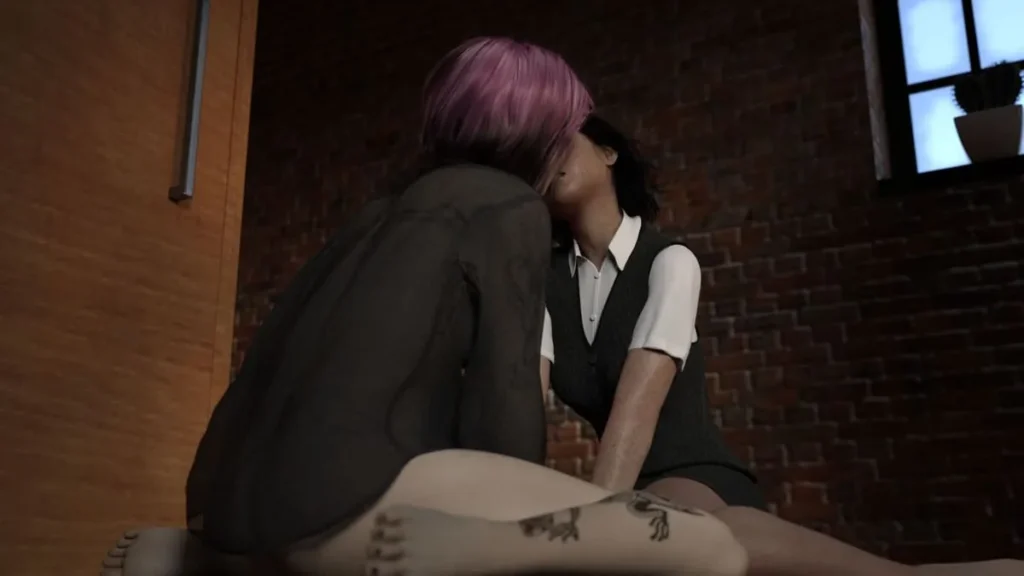
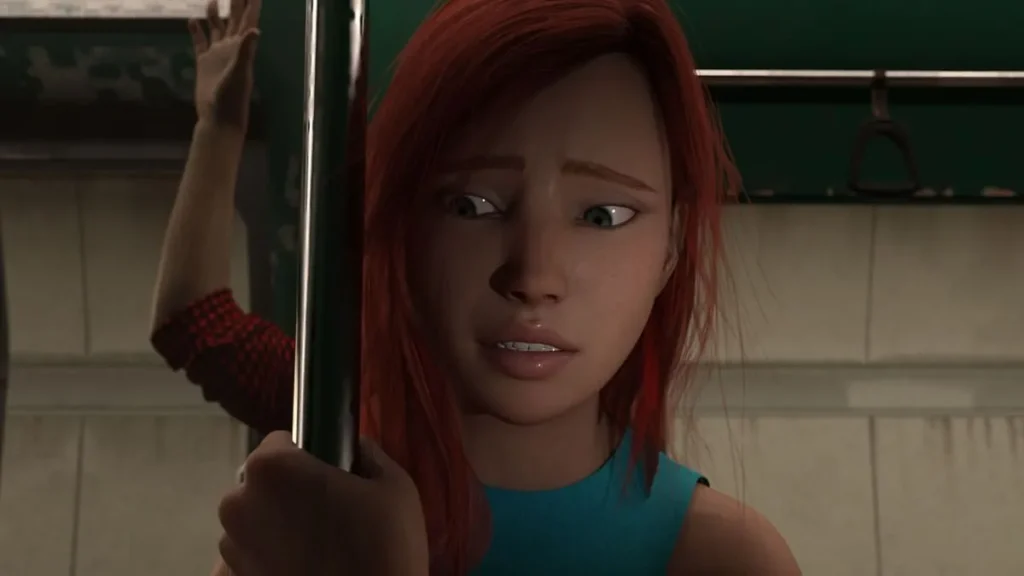
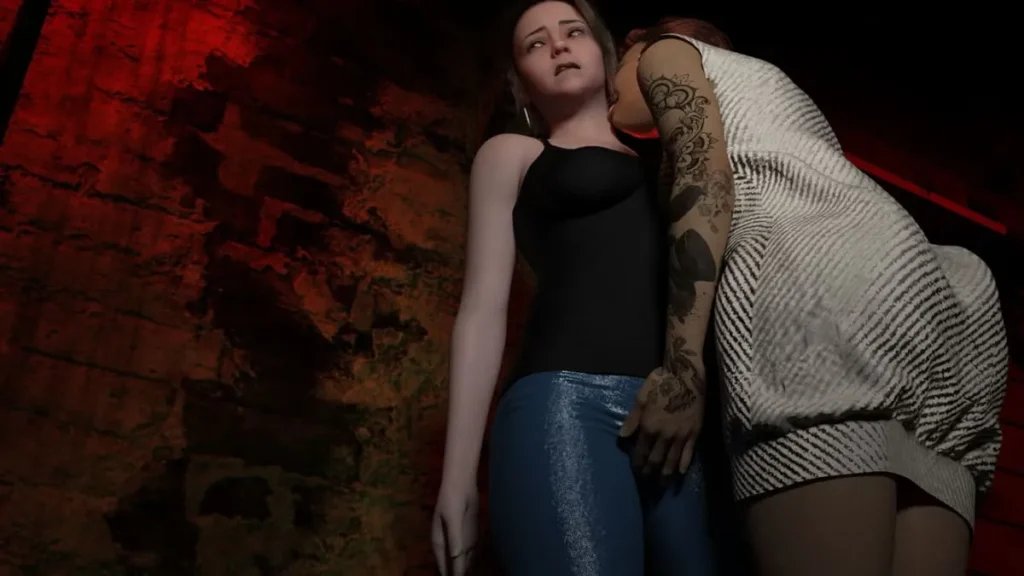
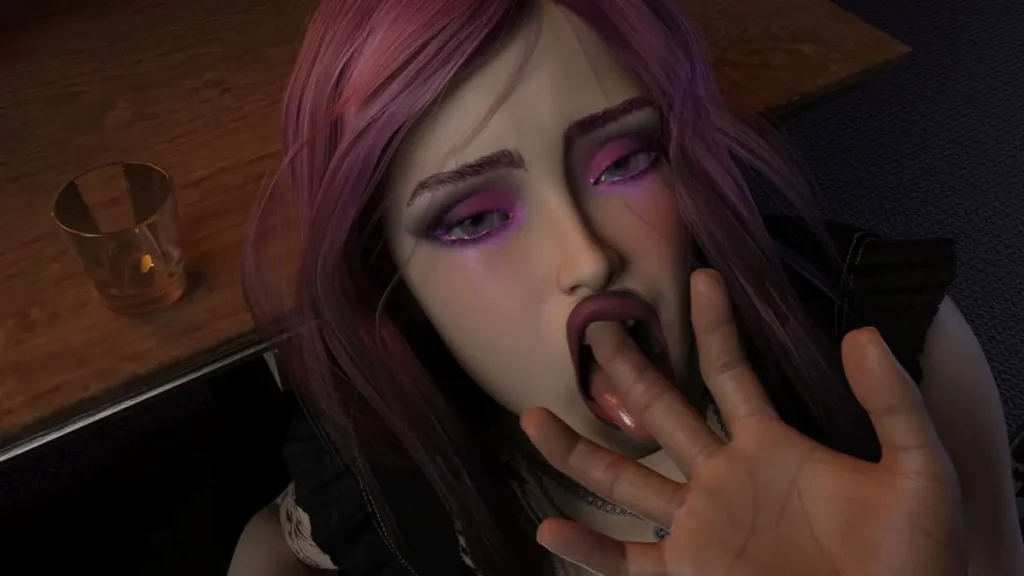
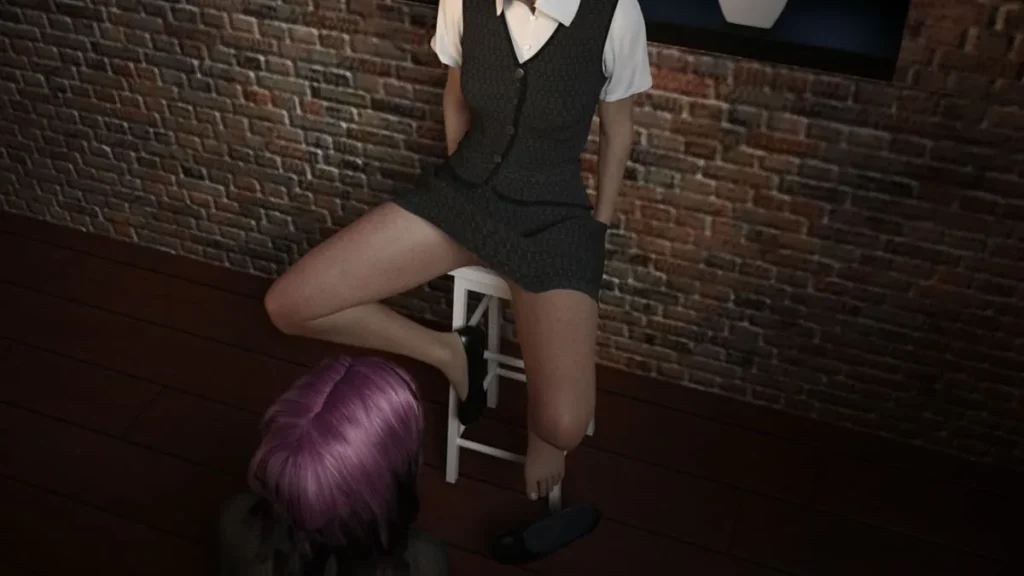
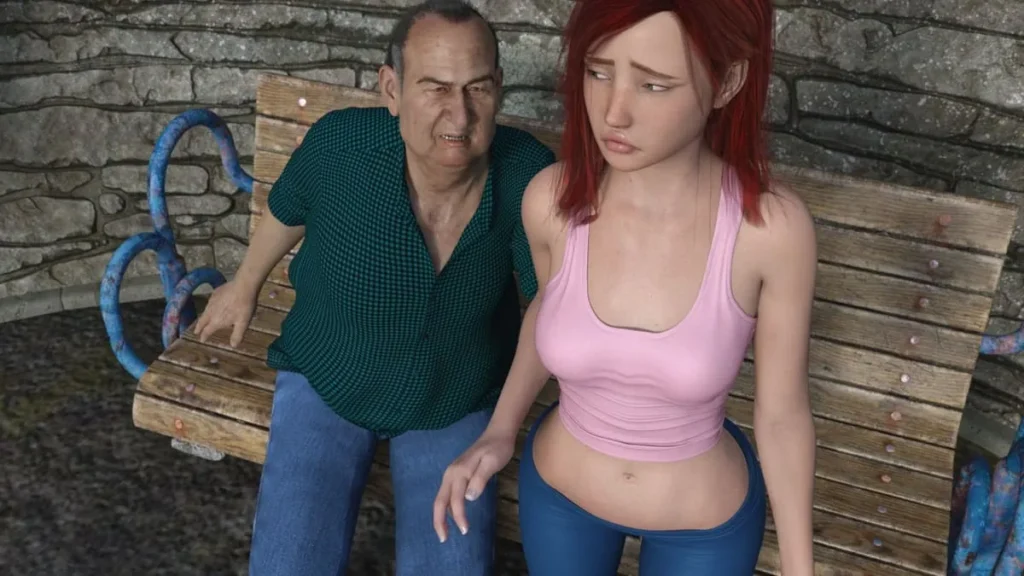
The Theater of Sinners review
Dive into the twisted tales of humiliation and choice in this Ren’Py adult game
Imagine stepping into a shadowy theater where every choice unleashes a cascade of corruption and desire—that’s The Theater of Sinners. This gripping Ren’Py visual novel by JustXThings pulls you into the lives of Paula and Rebeca, two young women trapped in cycles of abuse, bullying, and moral decay. From my first playthrough, I was hooked by the raw psychological depth and branching narratives that make every decision feel irreversible. Whether you’re chasing dark fantasies or a story that blurs good and evil, this Theater of Sinners game delivers chilling immersion. Let’s explore its secrets, characters, and why it’s a must-play for visual novel fans.
What Makes The Theater of Sinners Uniquely Addictive?
I remember scrolling through itch.io late one night, the way you do, when a stark, evocative thumbnail caught my eye: The Theater of Sinners. The description promised a dark, choice-driven tale, and I figured I’d give it a shot. An hour later, I was completely hooked, watching in a kind of horrified fascination as Paula, the protagonist, began her unnerving descent. This wasn’t just another adult game; it was a gripping, uncomfortable, and masterfully crafted psychological horror visual novel that refused to let go of my attention. So, what is The Theater of Sinners that makes it so uniquely compelling? Let’s pull back the curtain.
At its core, what is The Theater of Sinners? It’s a Ren’Py visual novel that uses its accessible engine to deliver a brutally intimate experience. You’re not just reading a story; you’re navigating a minefield of human frailty. The Theater of Sinners storyline centers on cycles of pain, humiliation, and the terrible choices people make when they feel trapped. There are no easy heroes here, only damaged souls, and that’s where its frightening magic lies.
Who Are Paula and Rebeca in The Theater of Sinners Storyline?
The heart of this darkness lies in its impeccably written Theater of Sinners characters. You don’t just watch their stories—you feel the weight of their histories in every decision they’re forced to make.
-
Paula 👑 begins as the privileged daughter of a powerful corporate figure. But privilege doesn’t protect her from the cruel bullying of a group of teen delinquents. Her journey is one of shocking transformation. The humiliation she endures doesn’t just break her; it warps her, twisting her into someone who might eventually perpetuate the very kinds of perversion she once feared. Playing her path is a masterclass in how pain can curdle into something else entirely.
-
Rebeca ⚔️ is her counterpart, a girl forged in a different kind of hell. Raised by an addict mother and a violently abusive step-father, her life has been a lesson in survival. She’s become what she hates—tough, ruthless, and part of the system that creates bullies. Her story explores whether someone raised in darkness can even recognize the light, let alone move toward it.
The relationship between Paula and Rebeca is the pulsating nerve center of the game. They are opposites, yet reflections of each other’s trauma. Understanding their motivations is key to navigating the Theater of Sinners storyline, as your choices often pivot on how you interpret their complex, morally grey dynamic.
| Character | Starting Point | Core Conflict | Your Role |
|---|---|---|---|
| Paula | Privileged but powerless victim | Corruption vs. Preservation of Self | Guide her descent; how far will she go to reclaim agency? |
| Rebeca | Hardened survivor from abuse | Cycles of Violence vs. Breaking Free | Uncover her layers; is she a villain or a product of her world? |
How Do Choices Shape the Harsh Outcomes?
This is where The Theater of Sinners truly shines as a moral ambiguity game. You’re not picking between “good” and “evil” smiley faces. You’re making fraught decisions that feel real, where every option has a cost. Will you have Paula submit to humiliation to avoid worse punishment? Will you have Rebeca show a moment of mercy, potentially revealing weakness? Each choice sends ripples through the narrative.
The game’s mechanics are deceptively simple but create profound depth:
* Stat-Raising Decisions: Your choices often increase hidden stats like “Submission,” “Rage,” or “Guilt.” These aren’t about getting a high score; they’re about defining who your character is becoming.
* Branching Storylines & Non-Linear Events: The story doesn’t follow a single track. 🧩 Your stat milestones unlock different events, allowing you to experience parts of the Theater of Sinners storyline in a unique order, which dramatically alters context and perception.
* Flashbacks as Key Tools: Critical story beats are revealed through flashbacks triggered by your choices. You don’t just learn about Paula and Rebeca’s pasts; you earn those revelations through your gameplay, making them feel devastatingly impactful.
Here’s a personal example: Early on, I had the chance for Paula to steal money from her father. The “good” choice seemed to be to leave it, to stay honest. I did. Later, when she was cornered by her bullies and needed leverage, she had nothing. The resulting scene was far more brutal because of my earlier “virtuous” decision. The game had taught me its first lesson: here, conventional morality can be a luxury that leads to greater suffering.
Why Does the Psychological Horror Hit So Hard?
The horror in this psychological horror visual novel doesn’t come from jump scares. It comes from a slow, sinking dread that settles in your stomach. It’s the horror of recognition—of seeing how believable these broken people are.
- Atmospheric Dread: The art and music work in tandem to create a constant, low-grade anxiety. A seemingly normal school corridor feels ominous; a character’s slight smile can seem threatening.
- The Weight of Moral Ambiguity: As a moral ambiguity game, it forces you to live with your decisions. The guilt or unease you feel is the point. There’s no “game over, reload.” You carry the narrative weight forward.
- The Cycle of Pain: The most terrifying concept the game presents is the inescapable transmission of trauma. Victims can become perpetrators in a heartbeat. Watching Paula and Rebeca potentially continue this cycle is profoundly unsettling.
The developers themselves warn players, stating on their itch.io page: “This story deals with heavy themes including abuse, complex and twisted relationships, and the psychological fallout of trauma. It is intended for a mature audience that can engage with such content thoughtfully.” This isn’t sensationalism; it’s a content warning that speaks to the game’s serious, grounded approach to its dark material.
My practical advice? Savor the dialogue. Every line from Theater of Sinners characters is loaded with subtext. Play events in the order they unlock based on your stats—this “stat-raising order” is how the game intends you to experience the protagonist’s shifting mindset. And pay attention to the facial expressions; the art’s realism in capturing subtle reactions makes the character development feel drawn from real human experience, which is what makes it so terrifyingly immersive.
In the end, what is The Theater of Sinners but a mirror held up to the darkest parts of human interaction? For enthusiasts of dark kink and psychological narratives, its addiction lies in this brutal authenticity. It doesn’t judge your choices; it simply shows you the consequences, making you an active participant in its theater of beautifully broken sinners. The Theater of Sinners storyline stays with you long after you close the Ren’Py visual novel, prompting uncomfortable questions about power, pain, and the choices we all might make when pushed to the edge.
The Theater of Sinners stands out as a raw, unflinching dive into human darkness through Paula and Rebeca’s intertwined fates, where your choices forge paths of corruption or fleeting redemption. I still replay scenes, haunted by the realism and those gut-wrenching decisions that linger long after. If dark visual novels with deep psychology and bold kinks call to you, grab version 0.3 Alpha 1 from itch.io, dive in, and let the theater pull you under. Share your wildest branching story in the comments—what path did you take?