Twisted Memories
Play Twisted Memories
Twisted Memories Screenshots

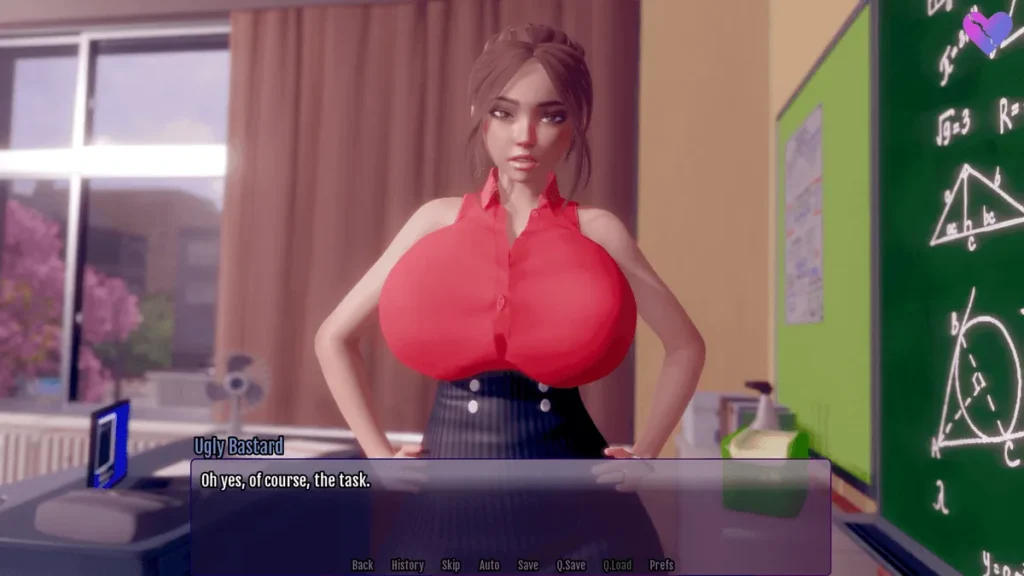
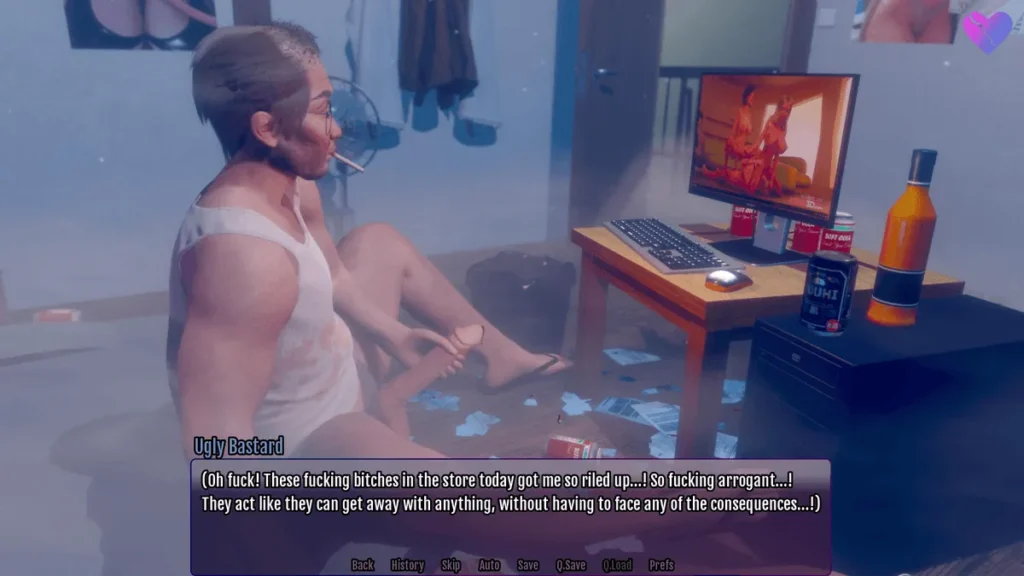
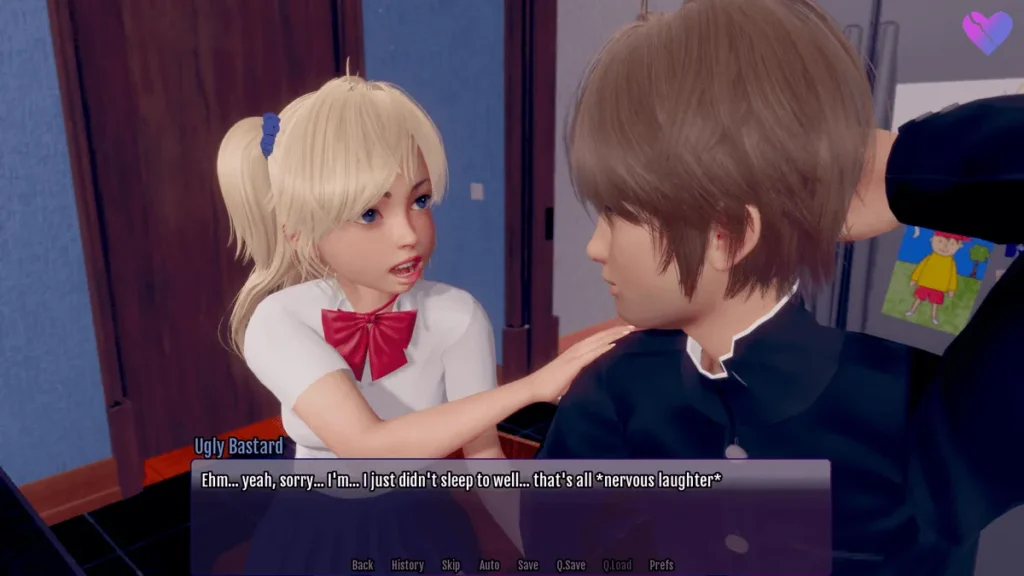
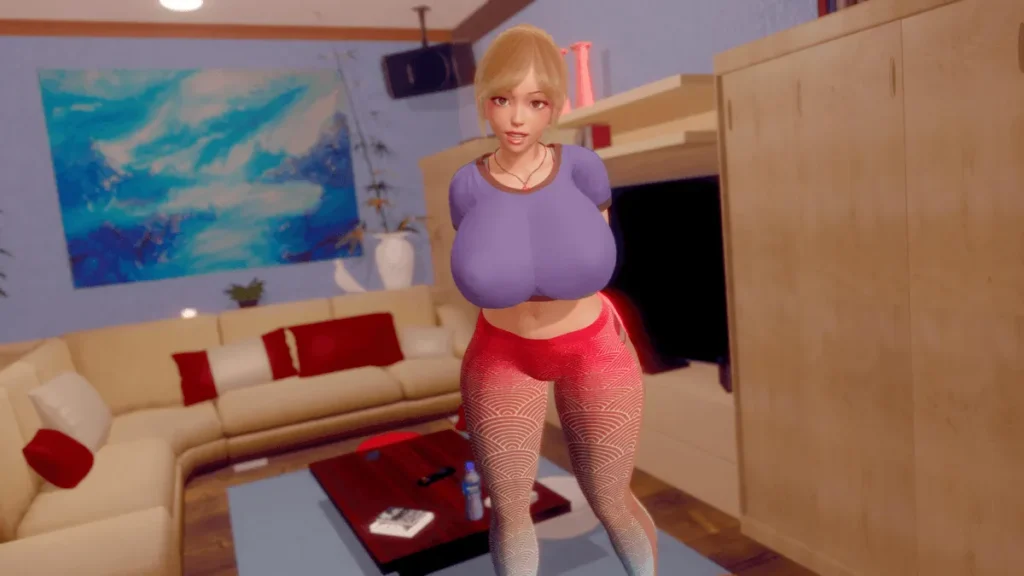


Twisted Memories review
Explore the psychological narrative, mechanics, and character dynamics of this adult visual novel
Twisted Memories stands out as a provocative psychological visual novel that challenges conventional storytelling through its unique premise and complex character motivations. The game follows a middle-aged man who mysteriously finds himself transported back into his teenage body, retaining all the memories, regrets, and cynicism of his older self. This distinctive setup creates an internal conflict that drives the entire narrative experience. Players navigate a familiar past through the lens of a jaded adult perspective, making every interaction feel charged with tension and moral ambiguity. Whether you’re interested in narrative-driven experiences or exploring unconventional game design, understanding what Twisted Memories offers is essential for appreciating its bold approach to adult gaming.
Understanding the Core Premise and Story of Twisted Memories
Have you ever stayed up at night, staring at the ceiling, haunted by a single moment from your past? 🤔 That one choice, that one sentence left unsaid, that one path not taken. We’ve all been there. Most of us sigh, accept the scar, and move on. But what if you didn’t have to accept it? What if you got a chance, not just to revisit that moment, but to weaponize it? This is the intoxicating, terrifying core of Twisted Memories.
This isn’t your typical power fantasy. Forget saving the world or becoming a hero. This is a deeply personal, often uncomfortable journey back to the battleground of adolescence, armed with the bitterness of middle age. The Twisted Memories premise is a masterclass in psychological pressure, asking one devastating question: What would you break to fix yourself?
The Time Travel Concept and Protagonist Setup
Let’s strip away the sci-fi glamour. In Twisted Memories, time travel isn’t about shiny machines or cosmic anomalies. It’s a quiet, desperate curse. One day, our protagonist—a man in his forties with a failed career, no family, and a life defined by hollow routines—simply wakes up. He’s in his old bedroom. Posters of bands long forgotten are on the wall. His body is light, unfamiliar. The crushing reality sets in: he is now his teenage self, but his mind, his memories, his profound and weary cynicism, are all intact.
This is the brilliant, agonizing setup of this time travel visual novel. The horror doesn’t come from monsters under the bed, but from the calendar on the wall. 🗓️ He knows exactly what’s coming. He remembers every embarrassing failure, every heartbreak, every missed opportunity with painful clarity. The true terror is the anticipation, the visceral agony of walking toward a social disaster or a personal humiliation you remember all too well. It’s a prison of foreknowledge.
The game immediately establishes a fractured identity. He isn’t truly a teenager anymore; he’s a stranger inhabiting a familiar shell. He looks at his old friends, his crushes, his schoolwork, not with nostalgia, but through a lens of jaded adult perspective. Their dramas seem trivial, their passions fleeting. This disconnect is the engine of the entire story. His protagonist character development isn’t about growing up, but about the chaos of wielding an adult’s emotional baggage in a child’s world. Every interaction is colored by this dual perspective, creating a unique and isolating form of psychological suspense.
Psychological Conflict and Narrative Themes
If the setup is the trap, the psychological conflict is the slow tightening of its jaws. The central theme here is regret, but not the passive, sighing kind. This is regret that has festered for decades, transforming into something sharper and more dangerous. The game explores what happens when that regret is given agency. Is the goal to create a perfect, happier life? Or is it to settle old scores and reclaim a sense of power that was stripped away?
The narrative brilliantly explores revenge and manipulation as logical outcomes of this scenario. With the foresight of an adult, our protagonist can predict behaviors, exploit weaknesses, and orchestrate social outcomes. He can “fix” his past by surgically removing sources of pain, but the methods are often cold and calculated. This creates the game’s compelling tension: you are simultaneously the victim of a cruel fate and the architect of new cruelties. You’re trying to heal a wound by inflicting others.
This makes Twisted Memories a profound psychological narrative game. The real monsters are internal: bitterness, loneliness, and the corrosive desire for control. The story forces you to sit with uncomfortable questions. Is using your future knowledge to manipulate someone into loving you a form of salvation or a profound violation? Is preventing a friend’s heartbreak an act of kindness, or are you robbing them of a necessary experience that forged their identity?
“I remember this hallway. I remember the laughter that felt like knives. Now, I walk through it not with fear, but with a blueprint. I know who will laugh, what they’ll say, and how I can make them regret ever knowing my name. The terror is gone. All that’s left is the quiet, meticulous work of dismantling my own past.”
This quote encapsulates the protagonist’s fractured psyche. The past is no longer a lived experience; it’s a tactical map. This perspective shift is the source of the game’s darkest and most fascinating character motivation and psychology.
Now, let’s break down the man at the center of this storm. His personality is the filter through which every game mechanic and story beat is interpreted.
| Key Trait | Narrative Impact | Effect on Player Choices |
|---|---|---|
| Jaded & Cynical | Colors every nostalgic memory with bitterness. Prevents naive, “happy-go-lucky” approaches to problems. | Presents dialogue options that are sarcastic, dismissive, or brutally pragmatic, often closing off sentimental paths. |
| Manipulative | Drives the core plot. The story progresses not through chance, but through the protagonist’s schemes. | Unlocks unique interaction options that allow for social maneuvering, planting ideas, and pitting characters against each other. |
| Self-Serving | Challenges typical hero narratives. His primary goal is personal gain or relief, not the greater good. | Creates morally ambiguous choices where the “best” outcome for the protagonist may harm others, forcing difficult decisions. |
| Introspective | Provides depth and self-awareness. He constantly analyzes his own actions and motives, even when they are ugly. | Offers internal monologue options that reveal his true feelings vs. what he says aloud, adding narrative layers. |
| Possessive of His Future | The driving obsession. Every action is measured against the goal of avoiding his original, miserable fate. | Makes long-term planning crucial. Short-term gains that risk derailing his primary mission come with heavy warning signs. |
Character Motivations and Moral Complexity
So, what does this man actually want? 🤷♂️ It’s deceptively simple: he wants a different future. But the path to that future is a minefield of moral complexity in games. His motivation isn’t pure; it’s a tangled knot of desperation, anger, and a bruised ego seeking validation. He might want to win back a lost love not for romance, but to prove to his older self that he could. He might seek to dominate social circles not for friendship, but to experience the power he never had.
This is where the adult visual novel storyline truly earns its designation. It deals with mature themes not through gratuitous content, but through emotional and ethical sophistication. The relationships are complex power dynamics. Romance is often intertwined with strategy. Friendship is evaluated for its utility. The game doesn’t judge you for this; it simply presents the world through the eyes of a deeply damaged individual and asks you to navigate it.
Every significant choice in Twisted Memories lives in a moral grey area. There is rarely a clearly “good” or “evil” option. For example:
* Do you use your knowledge of a future event to help a friend, thereby making them dependent on you?
* Do you sabotage a rival’s relationship to clear a path for yourself, even if that rival wasn’t truly malicious in your original timeline?
* Do you confess your true, impossible nature to someone you care about, burdening them with reality-warping truth for your own emotional comfort?
The gameplay becomes an exercise in ethical weightlifting. 🏋️♂️ You are constantly balancing your character’s selfish desires against the lingering conscience of the man he once was. This creates incredible replay value, as different motivation paths (pursue wealth, pursue love, pursue pure revenge) radically alter how you perceive and interact with the game’s world.
Ultimately, Twisted Memories is a mirror held up to our own regrets and our fantasy of control. It understands that being given a second chance doesn’t make you a better person—it just gives you better tools. Whether you use those tools to build something new or to tear down what hurt you is the central, heartbreaking question of this unforgettable psychological narrative game. It’s a journey that stays with you, long after you put it down, making you wonder not just about the choices in the game, but about the weight of the choices in your own life.
Twisted Memories presents a bold and unconventional approach to adult gaming through its psychological narrative and complex protagonist. The game’s strength lies in its willingness to explore uncomfortable themes while maintaining narrative depth through extensive dialogue and meaningful player choices. The choice-based gameplay mechanics ensure that each playthrough can differ significantly based on player decisions, offering replay value for those interested in exploring different relationship paths and story outcomes. The characterization of supporting characters adds authenticity to interactions, making the experience feel grounded despite its provocative premise. For players seeking a narrative-driven experience that challenges conventional storytelling and explores moral ambiguity, Twisted Memories offers a distinctive gaming experience. The game’s ongoing development and regular updates suggest continued expansion of content and refinement of gameplay mechanics. Whether approaching it as a study in character psychology or as an interactive narrative experience, Twisted Memories delivers on its promise of a thought-provoking and unconventional visual novel.