Unnatural Instinct
Play Unnatural Instinct
Unnatural Instinct Screenshots

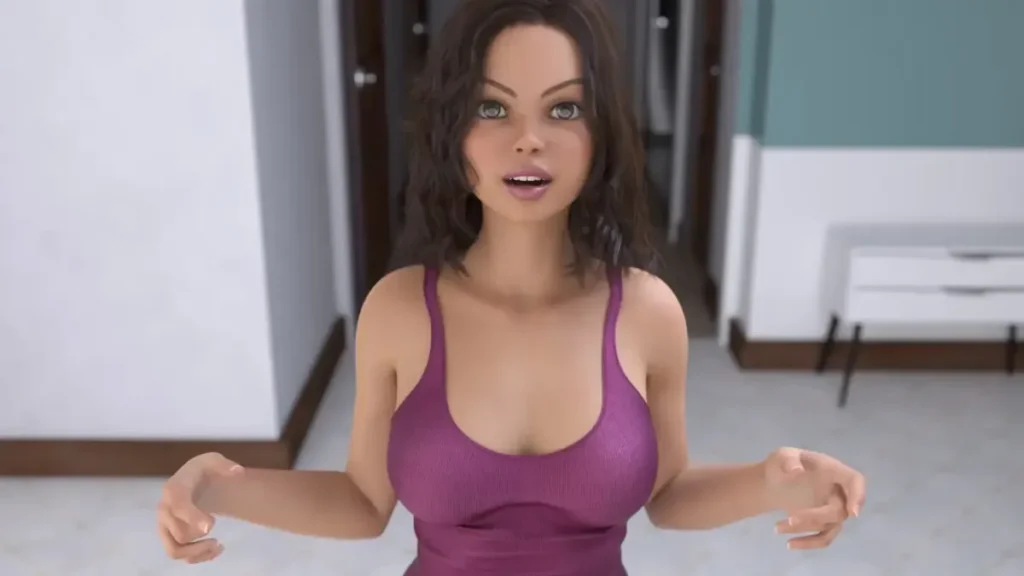
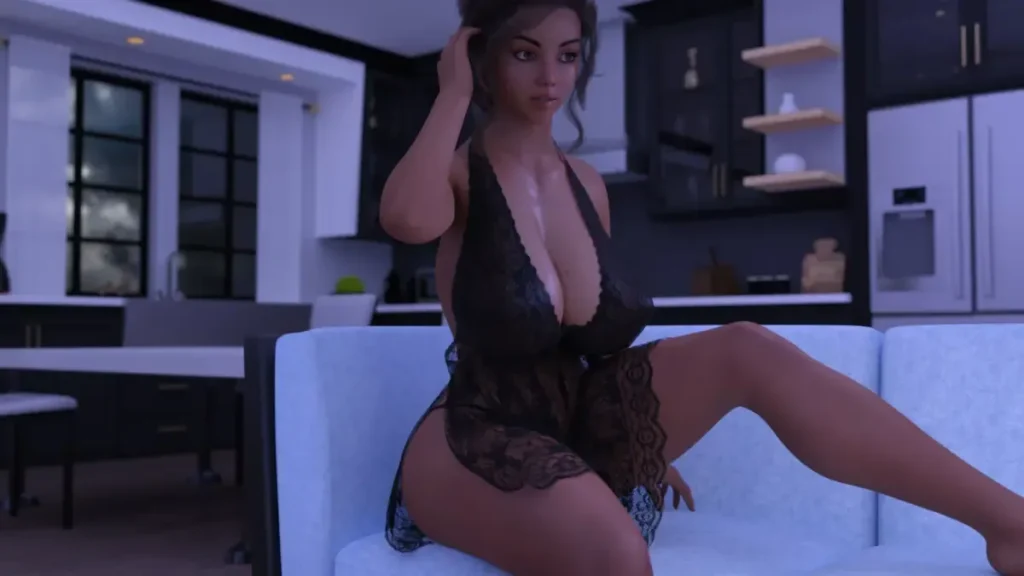
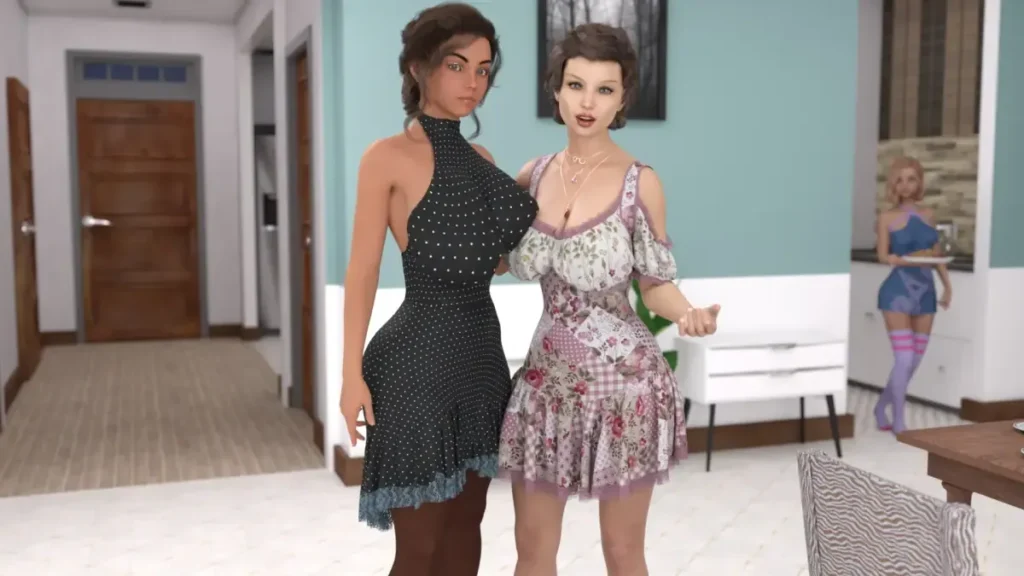
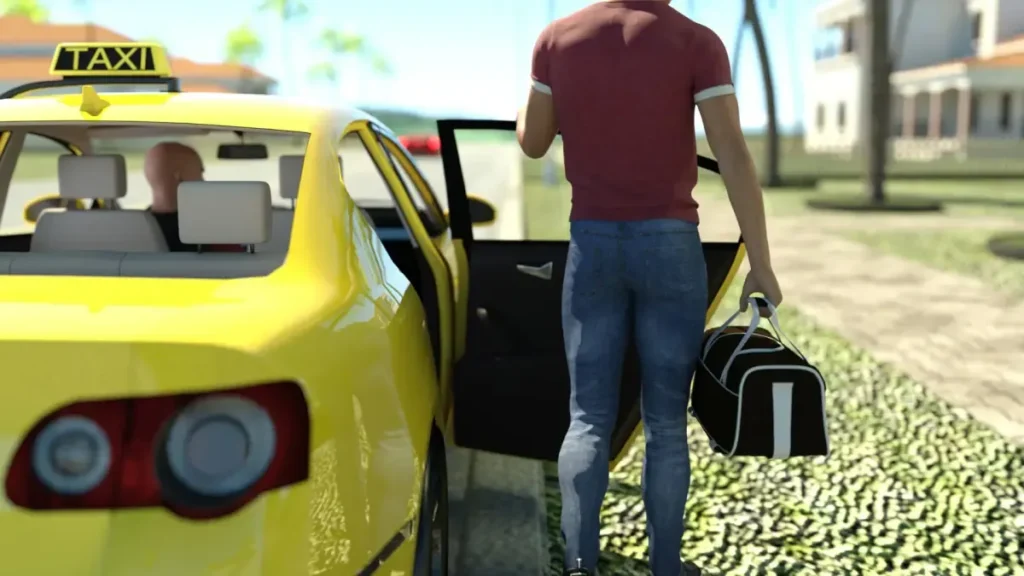
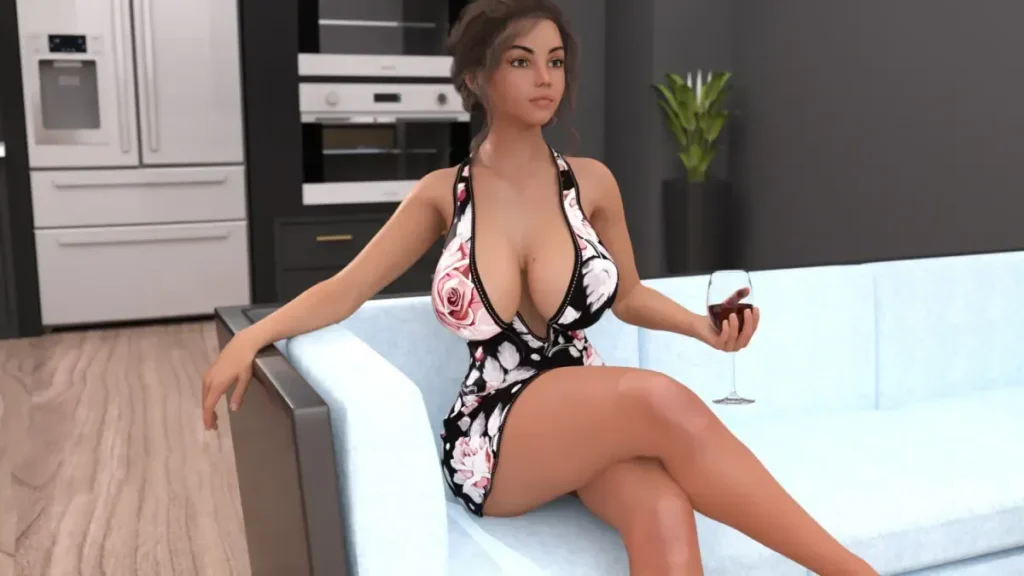
Unnatural Instinct review
Discover the Thrilling Story, Mechanics, and Immersive World of This Interactive Adventure
Ever stumbled upon a game that grips you with its dark, seductive narrative and leaves you questioning your own choices? That’s Unnatural Instinct for you—a standout in adult interactive fiction from Abnormalsoftware. Set in a shifting manor under the command of the enigmatic Heir, this game blends puzzle-solving with deep psychological exploration. From the moment you step into the ritual-driven storyline, you’re drawn into themes of power dynamics, consent, and shifting identity. I’ve spent hours lost in its manor, feeling the walls close in as my decisions shaped an unsettling journey. If you’re ready for an experience that’s equal parts thrilling and introspective, dive into what makes Unnatural Instinct a must-play.
What Makes Unnatural Instinct’s Story and World So Captivating?
I still remember the first time I walked the halls of that manor. 🏰 I’d booted up Unnatural Instinct expecting a standard, spooky mystery. What I got was something that crawled under my skin and shifted my perspective in real-time. The initial opulence of the Unnatural Instinct manor setting felt grand but static—a beautiful painted backdrop. But as I, the player-character, became more entangled in the Heir’s designs, the very walls seemed to breathe differently. Corridors I’d passed through before now felt claustrophobic; once-dark libraries were suddenly bathed in an accusing light from a stained-glass window I swear wasn’t there. The game’s environment isn’t just a stage—it’s a mirror, reflecting your growing complicity and confusion. This brilliant, unsettling transformation is the heart of the Unnatural Instinct narrative, a story that is less about what you find and more about who you become while searching.
So, what is Unnatural Instinct plot all about? You arrive as a guest, or perhaps a prisoner, at a remote ancestral estate. Your host, known only as the Heir in Unnatural Instinct, is conducting a grand, generations-old ritual, and you are a key participant. Your goal seems clear: explore the shifting manor, solve intricate Unnatural Instinct ritual puzzles to gather esoteric components, and aid in the ritual’s completion. But the true Unnatural Instinct story unfolds in the quiet spaces between puzzles—in the Heir’s loaded compliments, in the way your objectives are framed not as requests but as expectations, and in the dawning realization that every step forward binds you tighter to an outcome you don’t fully understand. You’re not solving puzzles for yourself; you’re solving them because of the Heir.
Unveiling the Core Narrative and Shifting Manor Setting
The genius of the Unnatural Instinct story is its masterful use of environment as narrative engine. The Unnatural Instinct manor setting is a character in its own right, and its metamorphosis is directly tied to your progress and mindset. Early on, it feels like a gothic puzzle box—full of secrets, but ultimately knowable. You’re an outsider looking in.
But as you delve deeper, a profound shift occurs. The manor stops being a place you explore and starts being a place you inhabit. It reacts. I recall one pivotal moment, deep into a playthrough, where I needed a specific lunar crystal. The puzzle involved aligning mirrors in a dusty observatory. After my third failed attempt, frustrated, I muttered aloud, “Just show me what you want.” When I looked back at the screen, the angle of moonlight through the dome had changed, a new reflection now pointed directly at a hidden panel. The game felt… responsive. It wasn’t just rewarding logic; it was responding to my emotional state—my surrender to the process. The manor was no longer a static setting; it was an extension of the Heir’s will, and my engagement was feeding it.
This is the core loop: your actions change the world, and the changed world then challenges your perception of those actions. Are you a clever participant uncovering truths, or a rat in a maze, conditioned to press the right lever? The Unnatural Instinct narrative thrives in this ambiguity, making every solved puzzle feel like both a victory and a step deeper into a trap you agreed to.
How Power Dynamics Drive Every Choice You Make
At the center of this psychological maze is your relationship with the Heir in Unnatural Instinct. This is where the game’s title earns its name. Your “instinct” might be to rebel, to question, to flee. But the game brilliantly inverts this. To progress, you must develop an unnatural instinct for obedience, for reading the Heir’s subtle cues, and for aligning your desires with theirs. The power dynamics in Unnatural Instinct are not a background theme; they are the primary mechanic.
The Heir never overtly threatens you. Their power is softer, more insidious. It’s in the way access to new areas is granted only after you’ve pleased them. It’s in the lore you discover that paints previous “guests” who failed as lost or mad. Their authority is framed as natural, aristocratic, and absolute. Your agency lies not in choosing whether to participate, but in how you choose to navigate the participation demanded of you. Do you play the eager acolyte, the reluctant pawn, or the cunning manipulator trying to turn the tables? The game tracks these subtle role-playing choices, and the Heir’s demeanor shifts in response—a pleased smile, a sigh of disappointment, a curious, appraising glance. 💎
This constant negotiation of control is exhausting and utterly captivating. You are always aware of the imbalance, and every click feels weighted with subtext.
| Theme | Gameplay Exploration | Player Impact |
|---|---|---|
| Power & Control | The Heir gates progress, information, and rewards. Puzzles require interpreting their unstated rules. | Players feel their autonomy is a currency spent to advance, creating tension with every choice. |
| Consent & Complicity | Continued play is framed as voluntary agreement. Puzzles often involve morally ambiguous components. | Players confront their own willingness to “go along with it” for the sake of seeing the story. |
| Identity & Selfhood | Player motivations blur with the Heir’s goals. The manor reflects the player’s internal state. | The line between the character’s desires and the player’s curiosity becomes dangerously thin. |
Exploring Identity and Consent Through Ritual Puzzles
The Unnatural Instinct ritual puzzles are where these abstract themes become concrete, often uncomfortable, gameplay. These aren’t just logic tests; they are ceremonies. You’re not simply finding a key; you’re purifying an altar, binding a symbolic artifact, or transcribing a plea in a forgotten tongue. Each completed puzzle is a votive offering to the Heir’s grand design.
And with each offering, you give a little more consent. This is the game’s most brilliant and unsettling provocation. By the simple act of continuing to play—of clicking to solve the next puzzle—you are signaling your complicity. The game acknowledges this in devastatingly subtle ways. I’ll never forget a line the Heir murmured after I’d completed a particularly intrusive puzzle involving a locked music box that held a sorrowful memory: “You see? The lock opened not for the key, but for the hand that chose to turn it. Your will and mine, in concert.”
“You see? The lock opened not for the key, but for the hand that chose to turn it. Your will and mine, in concert.”
Chills. 🤯 It reframed my entire action. I wasn’t a hero overcoming an obstacle; I was a collaborator. This is the central question of the Unnatural Instinct narrative: where does your curiosity end and your responsibility begin? The game argues, powerfully, that in this context, they are the same. Your desire to see the next scene, solve the next mystery, is the fuel for the ritual.
This leads to the final, profound blurring: the erosion of identity. As you internalize the Heir’s goals, your own motivations become murky. Are you solving this cipher to escape, or because you’ve become genuinely invested in the ritual’s success? The game’s endings don’t simply judge you as good or bad; they reflect the nature of the partnership you’ve forged. You leave not as who you were when you entered, but as what you and the Heir have made together.
Actionable Advice: To truly appreciate this, you must play more than once. Your first playthrough is about discovery and survival. Your second is about pattern recognition and intentional role-play. Try a run where you resist every implied command, delaying puzzles as long as possible. Then try one of eager submission. The changes in the Heir’s dialogue and the manor’s ambiance are not just cosmetic; they are fundamental re-writings of the Unnatural Instinct story. You’ll see how your performance shapes the power dynamic, making you an active author of the pressure you feel.
This game made me confront my own boundaries as a player. How far was I willing to go for a good story? The Unnatural Instinct manor setting became a prison of my own making, its walls built from my clicks. It’s a breathtaking, uncomfortable, and masterful piece of interactive fiction that stays with you long after the final ritual is complete.
But a story this potent needs a stage that can bring it to life. The atmosphere, the tension, the very feel of your unsettling partnership with the Heir—it’s all crafted through the game’s unique mechanics and aesthetic vision. In our next chapter, we’ll pull back the curtain on how the game works, from its immersive audio design to the interface that makes every interaction feel like a fateful choice…
Unnatural Instinct isn’t just a game—it’s a mirror to hidden desires, wrapped in a manor that pulses with tension. From the Heir’s commanding presence to puzzles that blur your sense of self, every moment pulls you deeper into its web of power, consent, and transformation. My own sessions left me replaying choices, uncovering layers I missed first time around. If this sparks your curiosity, grab it now and step into the ritual. Share your wildest manor encounters in the comments—what twisted path did you take?